.jpg)


.jpg)

 English daily published in Bengaluru & Doha

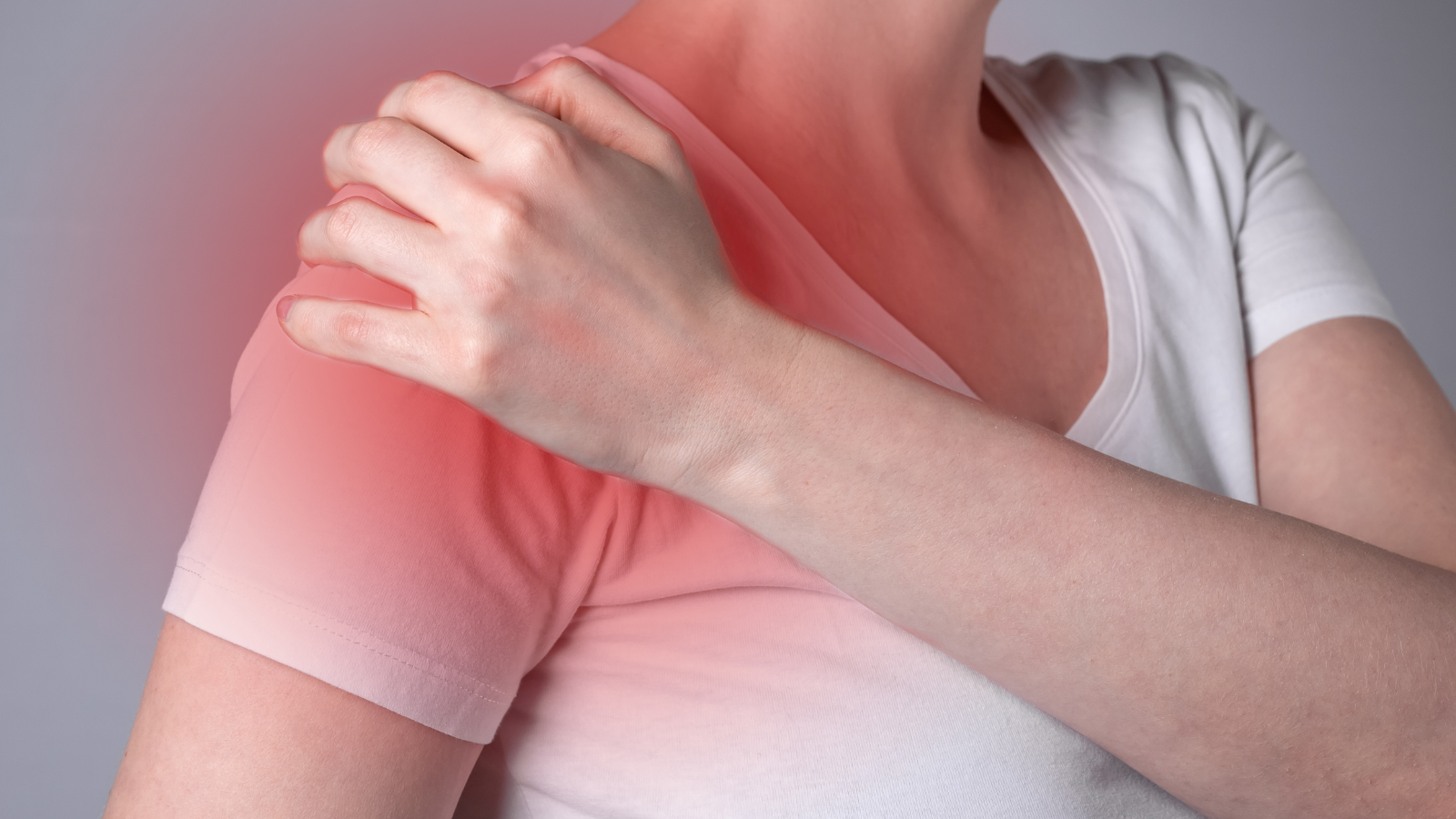
Urban living's silent threat: Arthritis strikes women hard - experts advocate proactive measures
Bengaluru
In our modern age, urban living has captivated our collective imagination, drawing us into its fast-paced embrace. Amidst the hustle and bustle of city life, however, the finer details of our daily routines often slip through the cracks, leaving us vulnerable to the compounding effects of negligence. Within this landscape of urban fervor, women face a myriad of health challenges, each demanding attention and care. Yet, among these, one ailment emerges with a particularly pervasive impact: arthritis.
Arthritis, a joint inflammation commonly diagnosed between the ages of 40 to 60, is prevalent among women, especially those in urban areas due to reduced physical exercise. Often unnoticed until it significantly impacts well-being and mobility. Precautionary measures become essential as they can reduce the complexity of health issues, underscoring the importance of education.
Arthritis involves the breakdown of cartilage and a reduction of the meniscus, resulting in decreased joint space and eventual bone rubbing, causing discomfort. The common types are Osteoarthritis, prevalent among the elderly, and Inflammatory (Rheumatoid) arthritis, observed in younger individuals.
"Osteoarthritis is irreversible but can be managed with treatments and medications to slow progression if detected early. While arthritis was traditionally associated with older age groups, it is increasingly affecting those in their 40s due to lifestyle factors," says experts.
According to data from the World Health Organization (WHO), approximately 9.6 percent of men and 18 percent of women aged over 60 years globally are afflicted by Osteoarthritis. In India, Osteoarthritis ranks as the second most prevalent rheumatologic issue and stands as the foremost joint disease in the country, with a prevalence ranging from 22 percent to 39 percent, emphasizing the need for increased awareness and preventive measures.
Dr. Anirudha M (MBBS, D.Ortho, DNB. Ortho) BGS Gleneagles Global Hospital, Rajarajeshwari Nagar, talking to News Trail, emphasized that lifestyle factors, including diet and activity levels, significantly contribute to arthritis exacerbation. "The sedentary nature of modern living and dietary habits predispose women to arthritis, leading to debilitating joint pain and swelling," he asserts, echoing the sentiments of numerous patients.
Sangeeta, a 45-year-old Bengaluru resident, shares her arduous journey battling arthritis, stating, "Every step feels like a mountain to climb, and the constant pain is a relentless companion." Her story resonates with countless individuals grappling with joint-related afflictions, highlighting the urgent need for proactive measures.
Elucidating the physiological nuances, Dr. Anirudha M underscores the anatomical predispositions of women, which render them more susceptible to arthritis than their male counterparts. "Structural differences, such as smaller joints and broader pelvises, accentuate strain on joints, particularly the knees, contributing to arthritis onset."
Moreover, hormonal fluctuations throughout a woman's lifecycle serve as potential catalysts for arthritis development. Dr. Anirudha M advocates a proactive approach, urging women to adopt preventive measures to safeguard joint health. "Maintaining optimal body weight, increasing calcium intake, and embracing moderate exercise regimes are instrumental in fortifying joints and staving off arthritis," he advises.
Recognizing the imperative of vigilant monitoring, he delineates the cardinal indicators of arthritis, encompassing joint pain, stiffness, swelling, and audible joint sounds. Drawing upon his clinical expertise, he outlines precautionary measures, ranging from weight management to dietary modifications and regular medical consultations, empowering individuals to take charge of their joint health.
As the demographic landscape of arthritis undergoes a paradigm shift, with a notable surge observed among individuals in their early forties, Dr. Anirudha M underscores the urgency of lifestyle modifications. "Arthritis is no longer confined to the elderly; it spans age brackets, necessitating a holistic approach towards joint health," he asserts, urging policymakers and healthcare providers to prioritize preventive strategies.
Early signs of arthritis include joint pain and stiffness, especially in the morning, pain in the groin area, joint swelling and tenderness, pain in previously injured joints, grinding sounds or sensations, and pain or stiffness in hands and feet.
Precautionary methods entail weight management, injury avoidance, diabetes control, low-impact exercise incorporation, and consumption of a diet rich in micronutrients and anti-inflammatory foods.
Call to Action: Take the first step towards joint health. Consult a healthcare professional, embrace an active lifestyle, and prioritize preventive measures to safeguard your joints and preserve mobility. 'Your joints deserve the care and attention needed to thrive.'
.jpg)


