.jpg)


.jpg)

 English daily published in Bengaluru & Doha

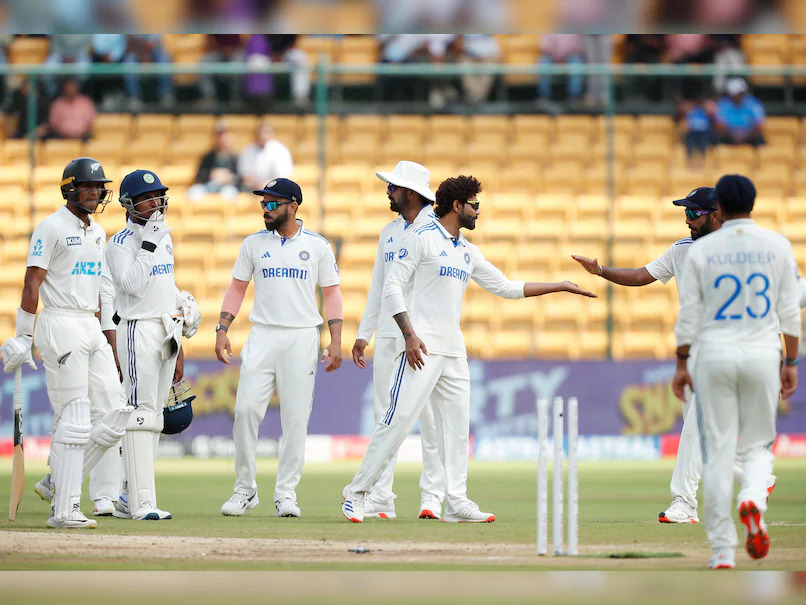
India's home dominance shaken: Swalpa readjust maadi
India’s schedule has been heavily focused on limitedovers formats like the IPL and bilateral T20 and ODI series. These formats, while crucial, require a different skill set compared to Test cricket, which demands patience and discipline. The collapse in Bengaluru, with the team being skittled out for its lowest Test score of 46 at home by New Zealand, suggests the players struggled to transition from the aggressive mindset of limited-overs cricket to the restrained approach needed in Tests. To rectify this, India needs dedicated periods for Test preparation. Specialised training camps before Test series could simulate Test match scenarios, emphasising building long innings, defensive techniques and patience. This adjustment period would help players recalibrate their approach and avoid similar collapses in the future. Winning the toss and opting to bat suggests confidence in the batting lineup, but misjudging pitch conditions in Test cricket can lead to disastrous results. India’s management may have overestimated the pitch’s suitability for batting, leading to their downfall.
If the pitch had extra bounce or turn, their decision to bat first may well be the tactical error. To improve, India’s think tank should enhance its pitch evaluation process. Involving experienced curators and local experts could provide deeper insights into conditions. Additionally, planning for multiple scenarios, such as preparing for both batting and bowling first, could offer the flexibility needed to adapt and take control early in matches. With a packed cricket calendar filled with shorter formats, players have had limited time to adjust to the rhythm and demands of Test cricket. This insufficient preparation may have contributed to their struggle in Bengaluru, as they were unable to adapt to the longer format’s slower, more methodical approach. India’s management should set aside "Test-focused" camps before a series, engaging players in match-length sessions to build stamina for long spells. These camps could simulate real match conditions, emphasising the patience needed for batting and bowling. Intra-squad matches or competitive warm-ups could further prepare players for Test cricket’s challenges. This is what was done before, wasn’t it? Former Test cricketers as mentors could also help players bridge the gap between formats, providing insights into how to adjust techniques and develop mental resilience for Tests. New Zealand’s disciplined bowling attack in Bengaluru showcased their ability to exploit conditions effectively. Facing quality opposition in Test cricket demands meticulous preparation and targeted strategies. Remember, chest-thumping after downing a low-placed Bangladesh does not echo long.
The Indian coaching staff should emphasise opposition analysis, creating game plans to counter the strengths of rivals. Understanding opposition bowling patterns and designing sessions to simulate those challenges could better prepare the team. For example, if the opposition has a strong pace attack, practice sessions should focus on similar speeds and angles. Emphasising strike rotation and partnerships can also help players manage pressure and avoid getting bogged down. The mental aspect of Test cricket is crucial, requiring focus and resilience over long periods. India’s collapse indicates the need for improved mental conditioning. Integrating sports psychologists and mental conditioning coaches could help players develop concentration techniques and resilience. Individual sessions could focus on routines for maintaining focus during long innings and building the mental strength to recover from setbacks.
Senior players sharing their experiences could also foster a culture of unity and improved mental toughness within the squad. To maintain dominance, India must balance their commitments across formats while ensuring proper preparation for each. Players should have time to prepare for Tests without compromising their performance in shorter formats. India has the talent and infrastructure; it’s about fine-tuning processes and fostering a mindset that values the patience and grit needed for Test success. After all, the gentleman’s game is best described in whites. The setback in Bengaluru serves as a reminder that even dominant teams must adapt and refine strategies continuously. With the right balance and preparation, India can remain a formidable force in cricket, ensuring their home fortress remains un-breached.

.jpg)
.jpg)
.jpg)
.jpg)
.jpg)