.jpg)


.jpg)

 English daily published in Bengaluru & Doha

Stricter norms to prevent child marriages
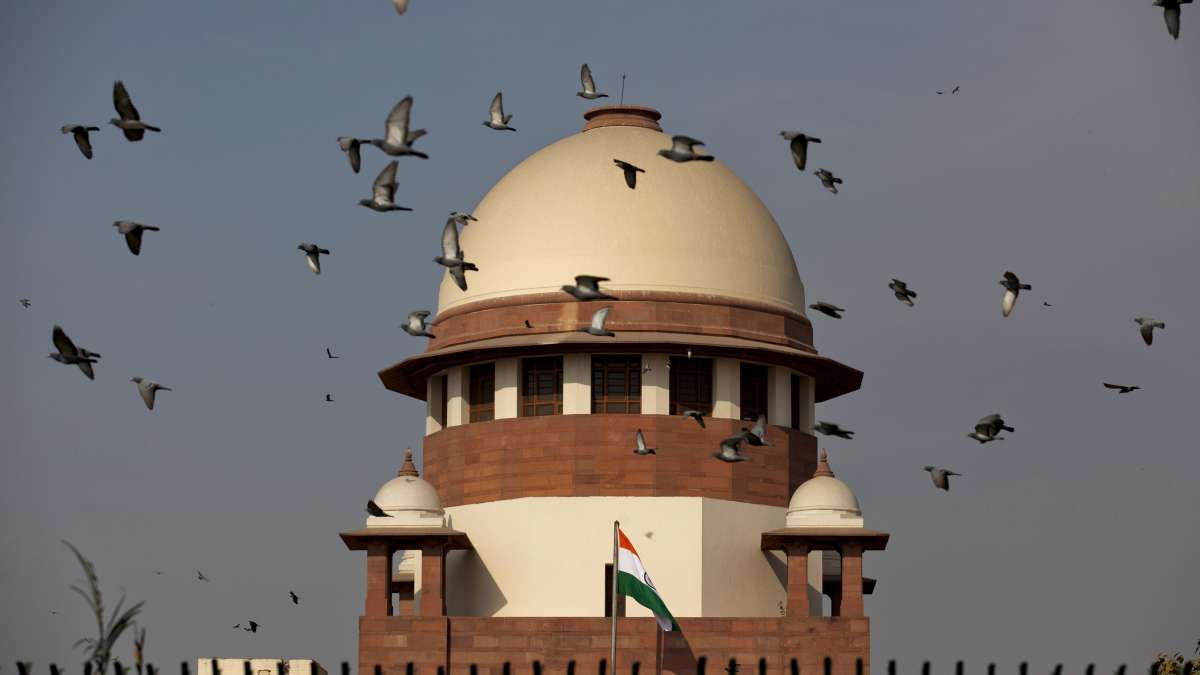
The Supreme Court’s ruling on betrothal of children below 18 sends out a clear message that not merely marriages, but even engagement of children prior to their attainment of majority should be seen as violation of the spirit of Prohibition of Child Marriages Act 2006. The Court has urged the government to initiate legislative measures to ban such betrothals as they violate the exercise of free choice in matters of taking a spouse, autonomy, agency and childhood. The three-judge bench of the apex court has taken pains to elaborate the mechanism such a law should lay down to eliminate the practice of child marriages. The court directed the governments to appoint Child Marriage Prohibition Officers (CMPO) solely for the purpose of monitoring the practice, enhance vigilance against the practice on days considered auspicious for the purpose of mass weddings and also to set up a portal whereby civil activists could anonymously upload complaints if violation of the law comes to their notice. The Court issued the ruling while dealing with a Public Interest Litigation (PIL) complaining laxity in enforcement of the PCMA and diverse duties assigned to the CMPOs leading to dilution of focus on eradication of the social malaise that affects children. The court took notice of decline in number of cases from 47 per cent in 2015-16 to 23.3 per cent in 2019-2021 but noted that there still remained gaps in implementation of laws on prevention of child marriages.
It also suggested that state governments set up fast track courts to deal with the marriages of juveniles and see to it that all individuals who solemnise, assist and even bless the juvenile brides and grooms are prosecuted. The court has even drawn attention of the authorities towards assessing the reasons like lack of financial resources that prompt parents to opt for early marriages and urged them to initiate financial incentives to obviate such factors.

.jpg)
.jpg)
.jpg)
.jpg)
.jpg)