.jpg)


.jpg)

 English daily published in Bengaluru & Doha

Jayamahal grapples with infra deficits, noise pollution
NT Correspondent Bengaluru: Jayamahal, a historically rich neighbourhood in Bengaluru and part of BBMP Ward No. 63 is renowned for its iconic landmarks, including Jayamahal Palace, now a Karnataka High Court venue. The area reflects a blend of Bengaluru’s heritage and modern commercial development, with its mix of shopping complexes, restaurants, and diverse residential zones. However, like many urban spaces, Jayamahal grapples with several challenges impacting residents’ quality of life.
The problem at hand; One significant issue in Jayamahal is the noise pollution originating from events at the Jayamahal Palace Hotel, particularly on weekends. While these events bring vibrancy to the ward, they also generate excessive noise, disturbing the peace of nearby residents. Despite numerous complaints, authorities have been allegedly slow in enforcing noise regulations, leaving locals frustrated and without respite. Beyond the commercial and residential sectors, Jayamahal’s infrastructure faces a range of gaps. The lack of adequate footpaths and functional streetlights makes navigating the area difficult and, at times, unsafe for pedestrians and motorists.
Insufficient drainage infrastructure compounds the problem, as heavy rains lead to frequent waterlogging, adding to safety hazards and inconveniences, especially during the monsoon season. Traffic congestion is particularly severe in Jayamahal, exacerbated by a combination of narrow roads, high vehicle density, and a lack of adequate traffic management systems. As the neighbourhood has grown in popularity, its streets have become heavily congested, especially during peak hours. This gridlock not only causes delays but also affects the quality of life for residents and businesses alike. Emergency vehicles, essential services, and public transport often face difficulties navigating the area, adding to the frustration of residents.
The consequences; Jayamahal’s challenges disproportionately affect its varied population, particularly lowincome residents in the slum areas of the ward. Home to over 1,000 residents, many of whom are daily wage labourers, these slums experience a lack of essential amenities like clean water, sanitation, and reliable electricity. Due to inadequate infrastructure, residents often rely on water lorries for supply on alternate days. This intermittent access to water is further complicated by severe waterlogging during the monsoon season, damaging property and posing health risks due to stagnant water and flooding. Healthcare and educational services are also out of reach for many slum residents.
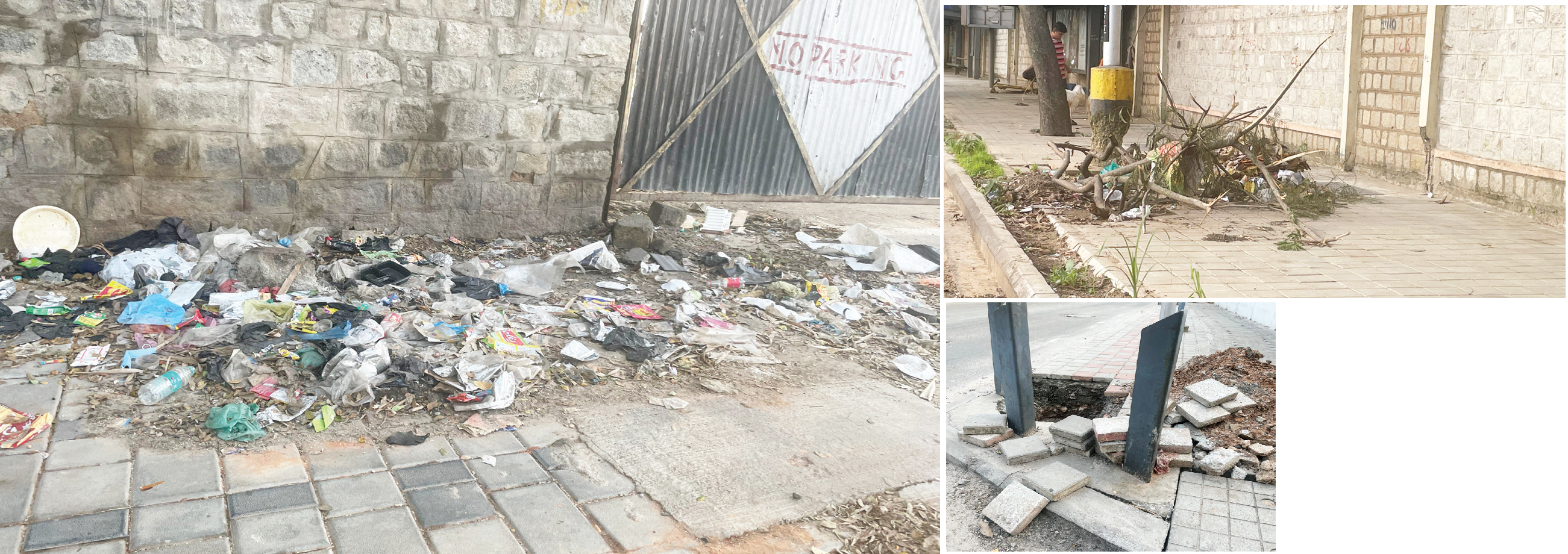
The ward’s inadequacies in these critical areas result in overcrowding, furthering the community’s cycle of limited opportunities and marginalisation. A local household worker explained the paradox, saying, “These people hire us whenever they need us, but somehow, our living conditions remain the same.” The ward’s waste management issues exacerbate the already strained living conditions. Although the BBMP collects waste regularly, the lack of a designated landfill site for Ward 63 results in improper waste disposal. Garbage frequently piles up along roadsides, leading to unsanitary conditions and posing health risks. Adding to this, Jayamahal’s pedestrian paths are in poor condition, with cracked, debris-strewn surfaces making navigation hazardous for residents. Overcrowding and high living costs add to the ward’s housing crisis.
Slum residents frequently cite a shortage of affordable housing options, with one resident stating, “You can either live in an expensive house, a high-rent house, or here in the slum,” said the household worker. Many families, unable to afford the rising costs postpandemic, have been forced to relocate to more affordable areas, further destabilising the community fabric.
Potential solutions: A comprehensive approach is essential to address Jayamahal's challenges while preserving its character. Prioritising road repairs on Jayamahal Road will improve traffic flow and safety, while enforcing noise regulations can help manage disturbances from local events. Infrastructure upgrades, including streetlights, footpaths, and drainage, will enhance walkability and reduce monsoon waterlogging. In Jayamahal’s slum areas, providing essential services like water, sanitation, and healthcare, alongside affordable housing projects, is crucial for improved living conditions.
A waste management plan, including designated landfill use and resident education on sustainable disposal, can ensure cleaner streets, fostering a balanced, livable community for all.




.jpg)
