.jpg)


.jpg)

 English daily published in Bengaluru & Doha

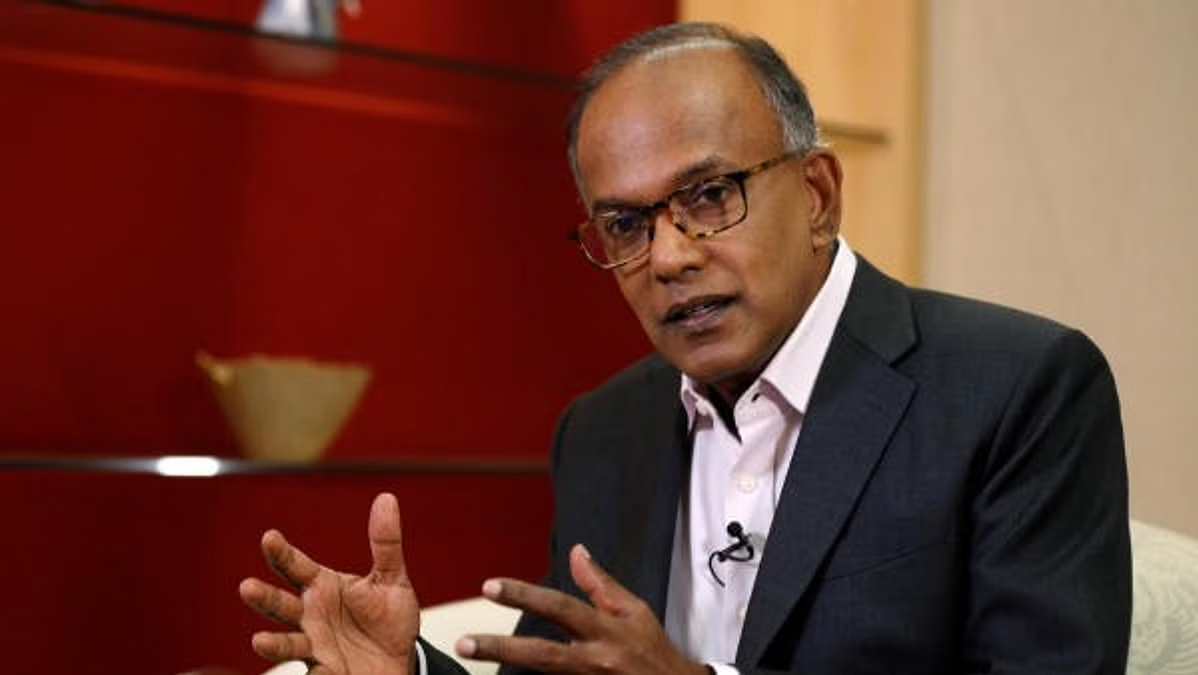
Tatas will choose Singapore as key partner for Semicon plan, says minister
PTI Mumbai: Tata Sons will choose Singapore as a "key partner" for its semiconductor plans, a senior minister from the city-state said on Friday. Speaking to reporters after a meeting with Tata Sons Chairman N Chandrasekaran earlier in the day, Singapore's minister for home affairs and law K Shanmugam said semiconductors was a "big discussion" point during the meeting. “If they (Tatas) want to, they can do business with anybody in the world. It's not that they need to do it in Singapore, but they will, I think, choose Singapore as a key partner, not only partner, but as a key partner," Shanmugam said. Shanmugam, along wi th minister for manpower and second minister for trade and industry Tan See Leng, is on a day-long visit to the financial capital. The South East Asian country is a "serious and reliable player" in the international semiconductor industry, he said, adding that the Tata Group has been present in Singapore for over five decades. Singapore or entities based in the country command a 20% share in the semiconductor equipment production globally, the visiting minister said.
Additionally, despite its relatively small size at just 670 square kilometre, Singapore is home to 25 semiconductor foundries, he said, acknowledging that the level of sophistication at which these work may not be the best in the world. Notably, the Tata Group has ambitious plans on the semiconductor manufacturing front which include investment o f Rs 9 1 , 0 0 0 crore f o r a facility in Gujarat and Rs 27,000 crore for another in Assam. It has partnered with Taiwan's Powerchip Semiconductor Manufacturing Corporation (PSMC) for the venture. Asked about Niti Aayog chief executive B V R Subrahmany a m ' s call for India to relook at its stance and join the 15-nation regional comprehensive economic partnership (RCEP), Shanmugam did not give a specific answer. He said India had given a number of reasons for walking out of the negotiations to join the partnership in 2019 which included both macroeconomic and political issues, and he is not sure if they have been dealt with. The minister said the outcome of the US elections may lead to an increase in bilateral and multilateral trading arrangements, especially amid expectations of a surge in import duties or levies to be implemented by the US and added that the key for countries is to be "nimble" in looking at what is happening.