.jpg)


.jpg)

 English daily published in Bengaluru & Doha

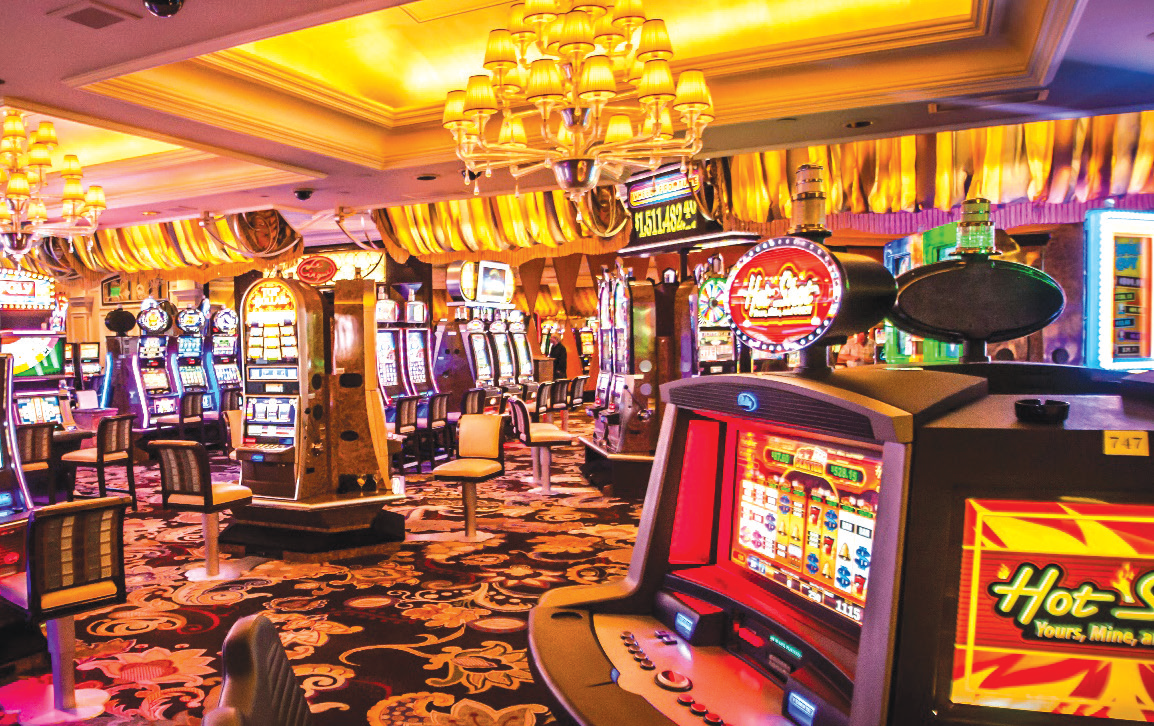
GAMBLING a growing disaster for global health
Charles Livingstone
Increasingly, we’re getting aware of effects of losses that accrue due to gambling: Family breakdown and separation, domestic violence, loss of assets, neglect of children, crime and imprisonment, loss of employment or educational opportunities, mental and physical health issues, lifetime regret and shame, and in some cases suicide. A new report from a commission established by The Lancet Public Health reveals for the first time the global scale of this problem, with gambling, and its consequences, growing rapidly across the world. The harms of gambling are much more extensive than previously thought, with about 80 million people worldwide suffering from gambling disorder, and 450 million affected to some degree by gambling harms.
To this can be added many more people children, partners and other family members and loved ones of those with gambling disorder who experience major harm because of gambling. The new analysis by the The Lancet Public Health Commission on Gambling reveals that gambling disorder affects about 15.8% adults and 26.4% of adolescents who gamble using online casinos or slot products. About 9% of adults and 16.3% adolescents who gamble on sports betting products experience gambling disorder. Importantly, for Australia’s current policy debate regarding gambling ads, the commission found that some groups face heightened risks.
This includes children and adolescents who are now routinely exposed to gambling promotions and advertising at a scale and in ways unimaginable even 10 years ago. Gambling has become digitised and readily available via mobile technology. Accessibility is unprecedented, and heavily promoted by saturation marketing and sponsorship deals with sporting leagues and players. The commission’s report highlights that early exposure to gambling promotions and to gambling increase the risks of developing gambling problems later in life. Children and adolescents are particularly at risk, attracted by the allure of “easy money”, the game-like aspects of many online gambling products, and carefully cultivated associations with sport. Additionally, gambling disproportionately affects disadvantaged groups, and makes a huge slice of its revenue from those who suffer from gambling disorder. The report highlights the rapid expansion of the gambling ecosystem globally, with high, middle and low-income countries now all in the sights of global gambling giants. Mobile gambling, and the rapid uptake of mobile communications, means anyone, anywhere, can have a casino in their pocket for 24 hours a day.
The global growth trajectory of this is now phenomenal, with gambling revenue (that is, losses by gamblers) estimated to hit $1 trillion by 2030, up from about $ 500 million currently. As multiple casino inquiries in Australia have demonstrated, effective regulation of gambling is a Herculean task, made even harder by the many strategies the gambling ecosystem uses to influence political decisions and policy settings. This is identified by the commission, but in Australia, we can easily see the principal actors in this ecosystem those who derive revenue from its operations – singing from the same song sheet.In doing this, they use a “corporate playbook” of government influence, originally developed by the tobacco industry, and expanded to other businesses. All members of the ecosystem have extensive resources to oppose reform. The gambling ecosystem also distorts the debate by funding research that promotes individual responsibility the so-called “responsible gambling” approach labelling individuals as “problem gamblers”, and directing attention away from highly addictive, expensive, and intense gambling products, such as poker machines, and online wagering platforms incorporat- ing sophist i c ated features that promote deep immersion and loss of control. These have been carefully developed to maximise the amount of time and money lost. Meaningless messages calling for self-control have little impact in the face of such technologies. Among its recommendations, the commission calls for international agreements to regulate online gambling, the establishment of effective regulation in all countries, with support for those with limited experience of gambling operators.
UN agencies such as the World Health Organization are urged to provide that assistance. Overall, the commission calls for urgent action in all countries to reduce gambling harm using a public health approach. This means that protection of the health and wellbeing of the population must be given priority over commercial interests. This is especially so when children and young people are concerned. The scale of commercial gambling has reached a tipping point. At this time, there is the possibility that effective action can stem the growth of avoidable harm from commercial gambling. However, as this business and its ecosystem expands and in Australia, for example, wagering grew by 55% between 2018-19 and 2022-23, driven by online betting it will become much more difficult to control. That’s why we must work towards an international agreement to regulate internet gambling.
.jpg)