.jpg)


.jpg)

 English daily published in Bengaluru & Doha

Gandhi Nagar: A central ward with urban woes in need of urgent renewal
Ward 94 under BBMP grapples with traffic congestion, and poor sanitation infrastructure
Gandhi Nagar, a commercial and residential hub in the heart of Bengaluru, plays a crucial role in the city’s economic ecosystem. Despite its prominence and central location, this ward within the Bruhat Bengaluru Mahanagara Palike (BBMP) grapples with persistent civic issues that hinder its residents' quality of life. From traffic congestion to inadequate sanitation, the challenges demand immediate attention and innovative solutions.
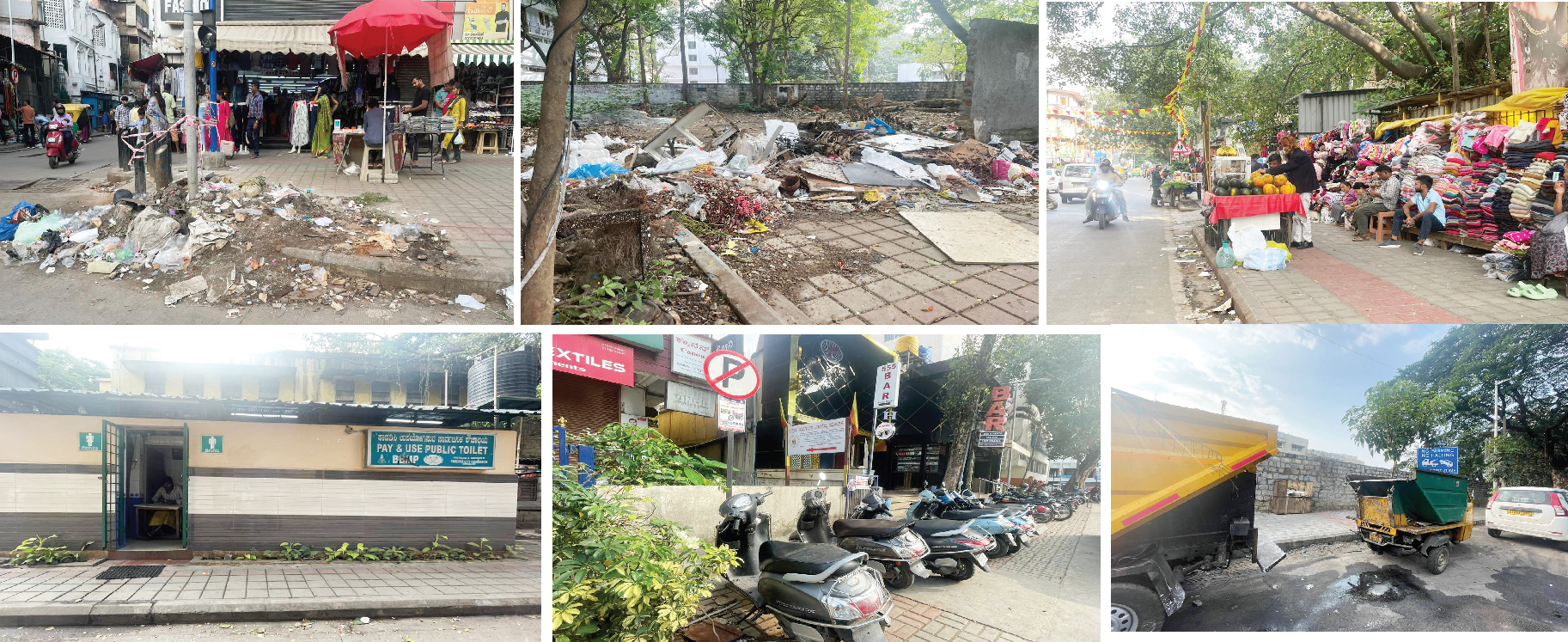
Problem at hand; One of the foremost challenges in Gandhi Nagar is relentless traffic congestion. Its proximity to major transportation hubs like railway stations, bus terminals and metro stations results in a continuous influx of vehicles. The absence of effective traffic management exacerbates the problem. Adding to the woes are garbage black spots that dot the ward, particularly in commercial zones and residential colonies. These unsightly waste piles attract pests, release foul odours and worsen air and water pollution. Public urination further tarnishes the area’s image, especially near commercial establishments and open spaces. It creates an unpleasant environment, deterring both residents and visitors while posing potential health hazards. A delivery executive claimed that the pay-and-use public toilets in the area are extremely unclean, making it pointless to pay for their use. Inadequate infrastructure compounds Gandhi Nagar’s problems. Poorly maintained roads riddled with potholes and uneven surfaces endanger motorists and pedestrians alike.
A cab driver who frequently drives in the area said, “The drainage system is insufficient, leading to frequent waterlogging during the monsoon season.” He further added that Freedom Park is primarily used for protests rather than serving its intended purpose as a recreational space. Solid waste management is another pressing issue. The haphazard disposal of garbage creates unhygienic conditions and exacerbates sanitation problems. The lack of adequate public toilets and sanitation facilities only deepens the crisis, leaving the ward struggling to maintain basic hygiene standards.
Toll on residents; The challenges in Gandhi Nagar significantly affect the day-to-day lives of its residents. Traffic congestion contributes to increased stress levels and respiratory ailments caused by prolonged exposure to pollution. The garbage black spots and public urination create an environment of neglect and discomfort, lowering the ward’s overall livability quotient.
Waterlogging and poor road conditions pose safety risks, particularly to senior citizens and children. “The lack of green spaces limits my opportunities for relaxation and exercise, impacting my physical and mental health, said Priyanka, a resident. Meanwhile, poor sanitation and solid waste mismanagement increase the risk of diseases, particularly in the monsoon season when waterborne illnesses become rampant. Local businesses also bear the brunt of these issues. Traffic snarls deter customers, while unclean surroundings diminish the appeal of the area for both shoppers and investors.
Potential solutions; Addressing Gandhi Nagar's civic issues requires collective efforts. Key steps include improving traffic management through one-way routes, enhanced public transport and expanded parking facilities for two-wheelers. Regular garbage clearance, more waste collection points and public education on segregation are vital for better waste management. Constructing public toilets and ensuring their upkeep will enhance sanitation.
Infrastructure upgrades like resurfaced roads and improved drainage can reduce monsoonrelated risks. Adding parks, urban gardens and tree plantations will increase green spaces and improve aesthetics. The Freedom Park parking facility has shown positive results and similar initiatives can further enhance the ward’s livability.




.jpg)
