.jpg)


.jpg)

 English daily published in Bengaluru & Doha

‘80 wards, 110 villages at high risk of water shortage’: BWSSB & IISc study
NT Correspondent
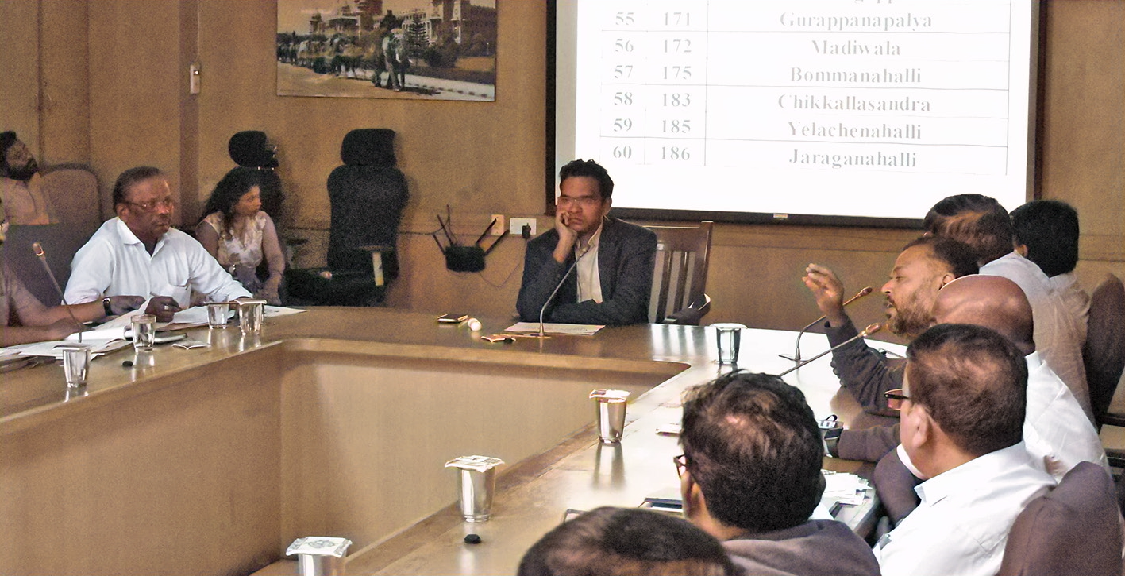
Bengaluru: Post the water shortage it faced for the first time in 30 years in 2024, a study revealed that the groundwater table in the city would start to decline more in February and would worsen during the summer months. It also These details come from a study from the Bangalore Water Supply and Sewerage Board (BWSSB), in partnership with the Indian Institute of Science (IISc). The study was done to address potential water shortages in Bengaluru during the upcoming summer.This study marks the first time in India that a city-focused scientific research has been undertaken to resolve water issues.
Last year, the city witnessed a water shortage of around 775 million litres a day, owing to a failed monsoon the previous year and the depleted groundwater table. It put the city in turmoil as areas, especially in areas like Whitefield, Varthur and areas along the outer ring road. This can be pointed out at the lack of Cauvery water supply, which is now partially resolved by commissioning the Cauvery Stage V project in October the same year. Areas in South-East Bengaluru, Whitefield, and the outskirts are most dependent on groundwater and face the highest water stress. 80 wards, including 110 villages included in the Bruhat Bengaluru Mahanagara Palike (BBMP) in 2007, have been identified as highly dependent on groundwater and at high risk of water shortages.
"We urge residents, especially those in high-risk wards, to reduce their dependence on groundwater and switch to Cauvery water connections, " said BWSSB chairman Ram Prasath Manohar. By leveraging scientific insights, Manohar is confident that the Board can solve future water crises.




.jpg)
