.jpg)


.jpg)

 English daily published in Bengaluru & Doha

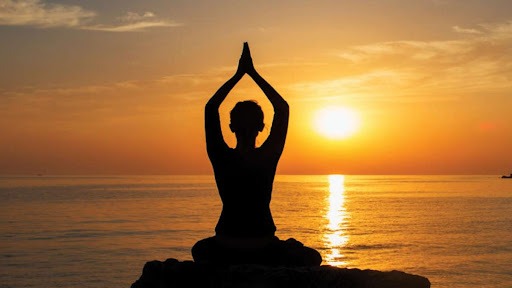
Yoga for the mind: Finding calm in a hectic world
Bhavana M | NT Bengaluru
Rooted in a tradition over 5,000 years old, yoga harmonises the mind, body, and spirit through a combination of physical postures (asanas), breath control (pranayama), and meditative practices. As International Day of Yoga marks its 11th anniversary, here is a closer look at the far-reaching benefits of this ancient practice, particularly its powerful role in cultivating mental clarity, emotional balance, and inner peace.
"The mind, not just the body, is often at the root of many illnesses. Our inability to manage chronic stress manifests in physical ailments," explains Shivashankar P Shenoy, a Bengaluru- based yoga therapist. He elaborates that the mind's role in generating stress directly contributes to various dis- eases, and that yoga can help control the mind, thereby stabilising and even preventing ill- nesses. The benefits of yoga are vast, ranging from increased flexibility, strength, and balance to significant improvements in mental focus, stress reduction, and overall well-being.
Unsurprisingly, a growing number of people are turning to yoga as a holistic path to health and self-awareness. Experts are now actively encouraging the public to adopt regular yoga practice. Across the country, initiatives are underway to foster a more positive attitude towards this time-honoured discipline. "I'm proud to say that yoga not only originated in our country, but also laid the foundation for many modern forms of exercise," shares Naina Praveen, a wellness consultant.
Aadhya (Savita) Biradar, a yoga therapist at NIMHANS, says, "Yoga offers profound benefits for mental health. It reduces stress, lifts mood, eases anxiety, sharpens focus, enhances self-awareness, and greatly improves sleep quality." She adds that yoga also supports emotional well-being by help- indindividuals regulate emotions, develop self- compassion, deepen the mind-body connection, and cultivate a sense of inner calm.
“Additionally, yoga presents a truly holistic approach to well-being. While ‘asanas’ enhance physical strength and resilience, ‘pranayama’ restores energetic balance,” she adds. The meditation and mantra chanting nurture mental clarity and emotional stillness. The ethical teachings of ‘Yama’ encourage virtuous social conduct, emphasising values like nonviolence and truthfulness, while ‘Niyama’ supports personal growth through practices such as self- discipline, contentment, and inner purity. In an increasingly fast-paced world, yoga remains a timeless guide, offering not just fitness but a philosophy for living with awareness, balance, and compassion.




.jpg)
