.jpg)


.jpg)

 English daily published in Bengaluru & Doha

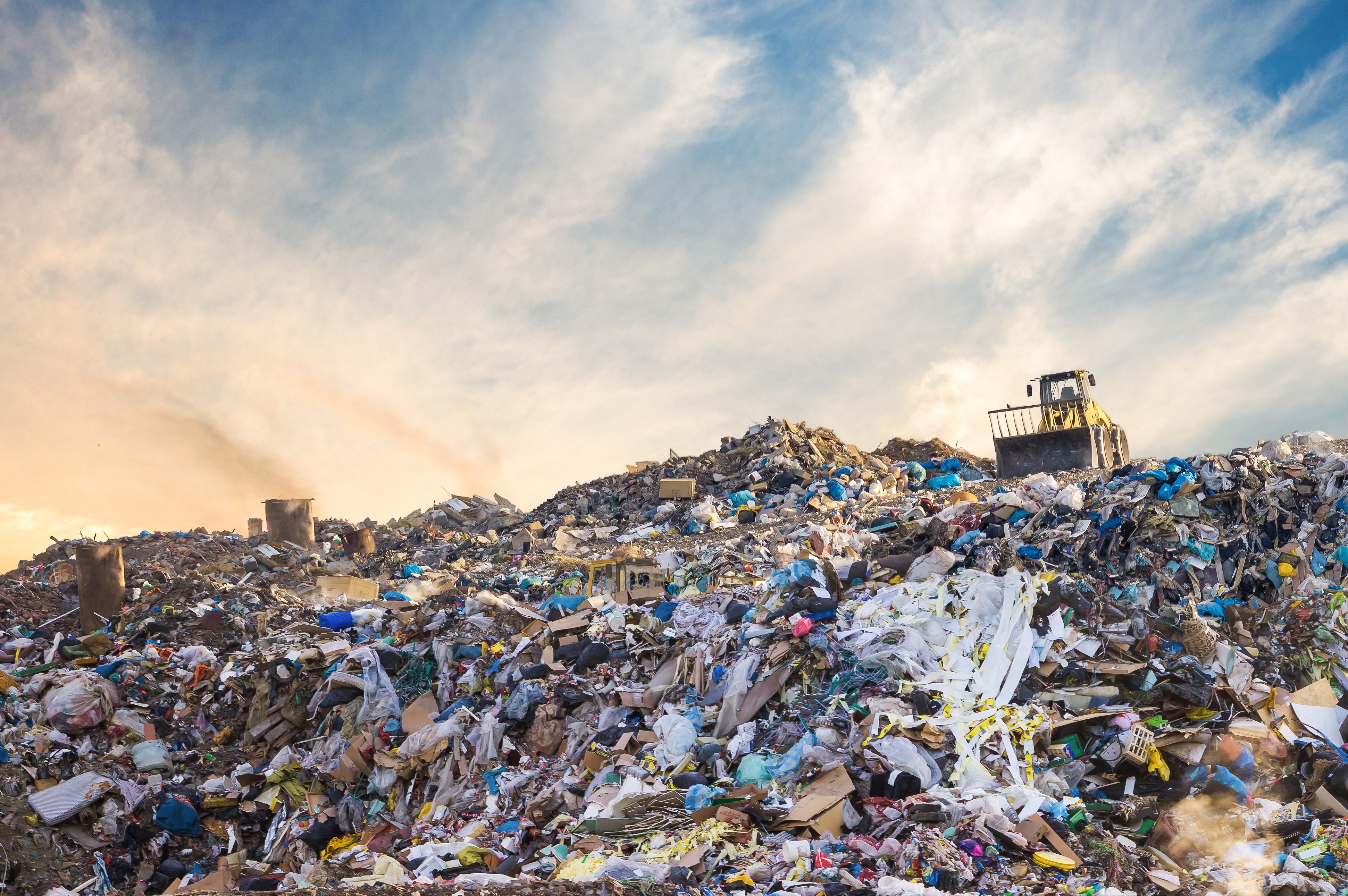
5th dirtiest city, really? Time to rethink B'luru's garbage strategy
Bengaluru: Bengaluru, renowned as India’s tech capital and the garden city, found itself in the news for wrong reasons. It was ranked the fifth dirtiest city in the country in the over one million population category in the Swachh Survekshan 2025 survey.
The city’s sliding cleanliness standards stand in contrast to the ambitious infrastructure projects taken up by the government. Bengaluru's drop in the Swachh Survekshan rankings can be attributed to several factors, including inadequate waste management infrastructure, poor waste segregation practices, and challenges in processing legacy waste.
Specifically, insufficient dustbins, lack of GPS tracking in garbage vehicles, and a decline in citizen participation have contributed to the city's poor performance and are identified as major infrastructural shortcomings.
Additionally, the city struggles with the sheer volume of waste - over 40 lakh tonnes per day, and lacks a clear policy and funding for its management. The city has seen a significant drop in waste segregation rates, with citizen participation also falling short of expectations.
Even educated citizens are known to be throwing garbage at random in every open area or vacant plots, without showing a minimum civic sense. While some areas have good door-to-door collection, others lack services totally.
The overall quality of waste management, including processing, has been poor as per several media reports and a tour across the huge city. The rapid pace of urbanization in Bengaluru puts immense pressure on waste management systems.
Managing a large city with a diverse population and complex waste management needs can be challenging and Bengaluru has struggled to secure funding for processing and waste transportation, particularly for solid waste, and lacks clear cut policies commensurate with the rapid population growth.
While Bengaluru lagged behind in rankings, other cities soared ahead, with Indore, Surat, and Navi Mumbai entering the exclusive ‘Super Swachh League’, recognition for those demonstrating exceptional commitment to cleanliness.
Along with Bengaluru, Ranchi, Chennai, Ludhiana and Madurai were ranked the top dirtiest cities. In contrast, Ahmedabad, Bhopal, Lucknow, Raipur and Jabalpur were ranked the top five cleanest cities.
With the government pushing for the reduce, reuse, and recycle (3R) philosophy and the crucial role of circularity in the economy, empowerment of youth, generation of green jobs, and promotion of entrepreneurial opportunities, especially for Self-Help Groups (SHGs), results of the Swachh Survekshan 2025 survey provides Bengaluru with a compelling call to action.
And an opportunity to explore opportunities. Citizen participation and framing of modern policies moving with the times is the need of the hour, and citizens must develop a sense of pride and belonging and also develop civic sense.
Just blaming the BBMP or the government is not the solution. Cleanliness begins at home, the saying goes.
.jpg)




.jpg)