.jpg)


.jpg)

 English daily published in Bengaluru & Doha

Brand Bengaluru still the leader, but needs to buck up
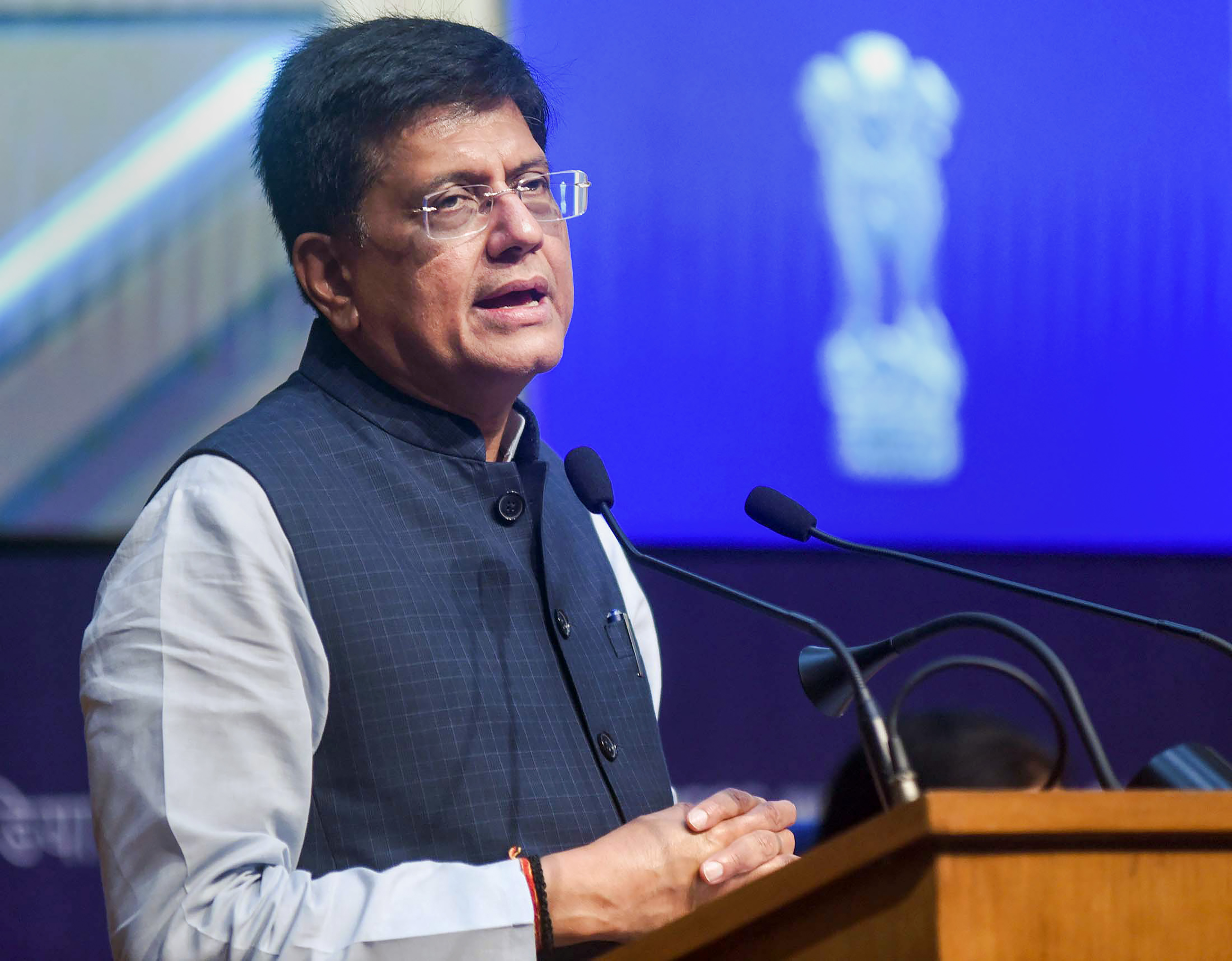
When Union minister Piyush Goyal floated the idea of building a new Indian Silicon Valley, on expected lines, it drew sharp criticism from the Karnataka government. Brand Bengaluru undoubtedly, still leads India’s IT sector and in many allied industries. However, in the changing corporate dynamics, there is no room for complacency.
Particularly, since Namma Bengaluru’s infrastructure has been outpaced by economic and population growth, leading to severe infrastructural bottle necks. In Bengaluru, traffic snarls are the biggest hin drance to daily commuting. Bengaluru is now the third-slowest city in the world, according to the 2024 rankings of Netherlands-based research firm TomTom.
It is not just causing emotional and physical exhaustion, but economic losses. One estimate pegged the social cost at Rs 38,000 crore per year. The Indian Silicon Valley is struggling with its infra structure, governance, and on quality of life fronts. Bengaluru’s share of Global Capability Centres (GCC) is expected to drop from 35 per cent to 30 percent.
Startups growth too, declined in 2024. However, investors, GCC enablers, and entrepreneurs acknowledge Bengaluru’s dominance won’t disappear overnight. Bengaluru’s networks are very strong, and it would take at least a decade to shake them. Bengaluru has the head start. It has salubrious weather with PSUs like Bharat Electronics Limited, Hindustan Aeronautics Limited, and Hindustan Machine Tools based firmly in the city, laying the groundwork for an engineering and research culture.
Corporate Bengaluru has grown from 500 companies in 1995 to more than 5,500 today. The phenomenon that Bengaluru has seen over the last 30 years is one of governance trailing growth on a scale far greater than its peer cities, even though it has seen faster and greater growth than its peers.
The BBMP, with one chairperson presiding over the whole city and several government agencies with overlapping or conflicting responsibilities made governance chaotic. Funding and staff shortages only added to these woes. Not just traffic, but flooding and waste management are chronic issues in Bengaluru.
In May, the Greater Bengaluru Authority (GBA) officially replaced the BBMP. The city will be divided into five corporations now, hopefully leading to better and local governance. Unchecked urbanisation, lack of a carrying capacity study of the city’s infrastructural capabilities and a car-first road design, are some of the problems that need to be addressed soon.
Bengaluru has suffered so far not from growth, but from a lack of imagination and an inability to change with the times. It is bursting at the seams due to poor urban planning that never kept pace with expansion. Bengaluru still remains a great place to start up. But it’s no longer the best city to scale up.
The creaking infrastructure has started to interfere. Nor is it the most liveable city. The policy makers and powers that be need to rework on specific problems plaguing the city to give Namma Bengaluru its glory back, and they better act fast.

.jpg)
.jpg)
.jpg)
.jpg)
.jpg)