.jpg)


.jpg)

 English daily published in Bengaluru & Doha

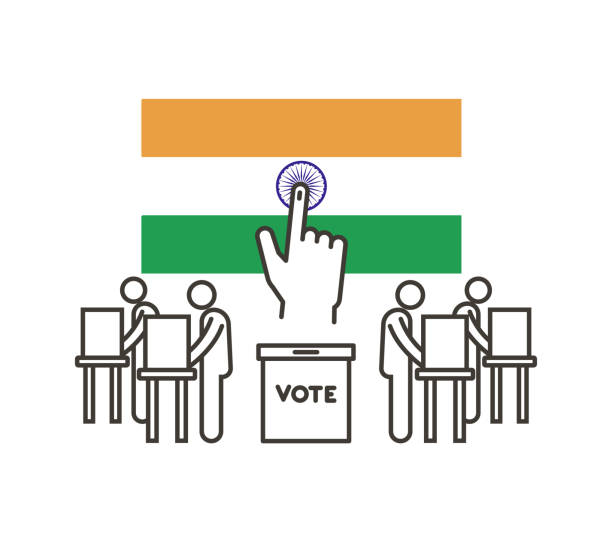
Robust assertion of right to vote
The Supreme Court’s order on Friday allowing voters excluded from the draft rolls published by the Election Commission following Special Intensive Revision (SIR) of electoral rolls, to fill up the enumeration form online in Bihar, should come as considerable relief to the 65 lakh voters whose names were removed from the rolls.
The apex court’s order that physical submission was not necessary will further clear the process for those from the state who are working in other states. Thirdly, the court’s directive that Aadhaar card or any other among the 11 documents sought by the ECI could be submitted in support of establishing identity, clears the mist of doubt cast over the card as an authentic proof of identity.
The court order should essentially be seen as a robust and timely assertion of the democratic rights of citizens to vote, sought to be nullified by the hasty exercise of conducting revision of electoral rolls in a state going to polls in November. The manner in which it was conducted in a state with 7.9 crore voters, had left many a questions unanswered.
From the very start the exercise lacked credibility as there was no provision in the EC rules to go for an intensive revision.
Secondly, exclusion of three vital documents—Aadhaar Card, Ration Card and Voters ID—as proof of identity were seen as measures to exclude ordinary voters rather than including them.
These led many to doubt if the exercise was aimed at reshaping an electorate for the forthcoming polls for the ruling dispensation at the Centre as most omitted voters belonged to marginalised communities.
Thirdly, the omission of 65 lakh voters in a state where numbers should only be rising, had not merely surprised, but also deepened suspicion about the neutrality of the Election Commission.
Finally, the directive lifts the veil of doubt over the genuineness of Aadhaar which was touted as the ultimate proof of identity for nearly two decades

.jpg)
.jpg)
.jpg)
.jpg)
.jpg)