.jpg)


.jpg)

 English daily published in Bengaluru & Doha

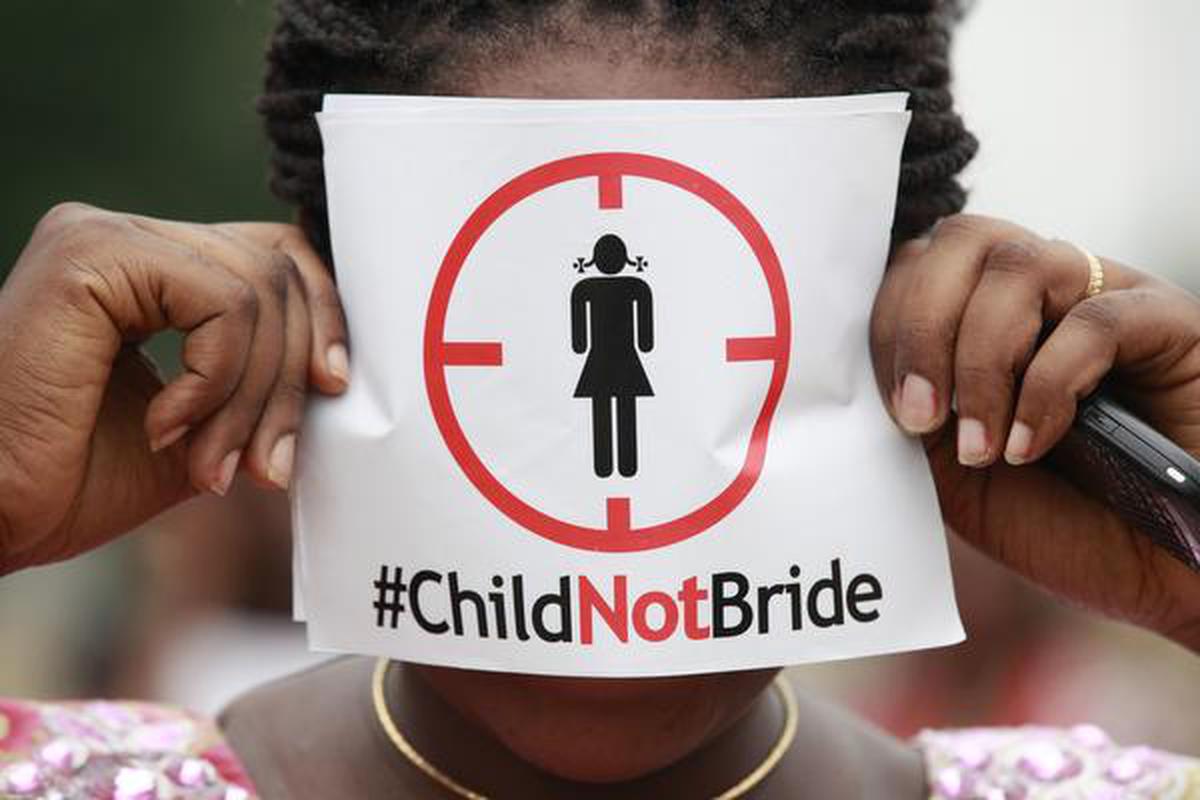
Child brides decline, but can’t be complacent
A recent report on child marriages has noted an admirable drop in such cases in Karnataka—55% among boys and 88% among girls, in the past three years. The report titled “Tipping Point to Zero: Evidence Towards a Child Marriage-free India” by Just Rights for Children (JRC) notes appreciable fall in cases also in states like Assam, Rajasthan and Maharashtra. As far as Karnataka is concerned, the progress is attributed to Child Helplines, Child Welfare Committees and local police stations.
Most respondents (92%) stated the awareness campaigns as the most effective method in curbing the practice which owes itself mainly to poverty, girls lacking opportunities for education, traditions, and even natural disasters (e.g., Covid-19 period reported more such cases). It also highlights the factors that restrain people from reporting such cases which include arrests and social stigma. Going by its definition, a child marriage includes any marriage or informal union where one person is under the age of 18. Most of these unions impact girls as biological burden or social stigma, whatever may be the case, is carried by the girls, impeding her effective growth and inclusion within society.
Whatever may be said about the equality of gender, the biological and physical differences between males and females do play a significant role in maintaining a difference while dealing with gender roles. The trajectory of growth of females through menstruation, pregnancy, delivery, lactation and child upbringing assign them duties quite different from those of males. Marriage or no formal union, ultimately it is the females who have to risk the biological and social fallout of such relationships. It is here that insistence on the minimum age requirement, awareness of the implications on the health of women and social acceptance play an important role in ensuring effective inclusion of women in the social fabric.
Child marriages lead to dropping out of girls from schools, crushing of dreams and preventing them from receiving an education. An early marriage resulting in pregnancy leads to complex health issues hindering their growth. It jeopardises their prospects of earning a livelihood independent of their husbands thereby restricting their role in economic well-being of the family. It robs them the prospects of becoming independent.
While there can be no gainsaying that child marriages should be curbed, there is a vast grey area in law. Principal among them is the question of how to deal with sexual liaisons between under-aged individuals. Courts and judges have often found themselves at their wits’ ends in adjudicating such cases, some allowing abortions, others prohibiting them and facing dilemmas in deciding the legal status of the infants and protection of rights of child. Such issues need to be studied as South Asia is home to nearly half of all child brides in the world—290 million of them.

.jpg)
.jpg)
.jpg)
.jpg)
.jpg)