.jpg)


.jpg)

 English daily published in Bengaluru & Doha

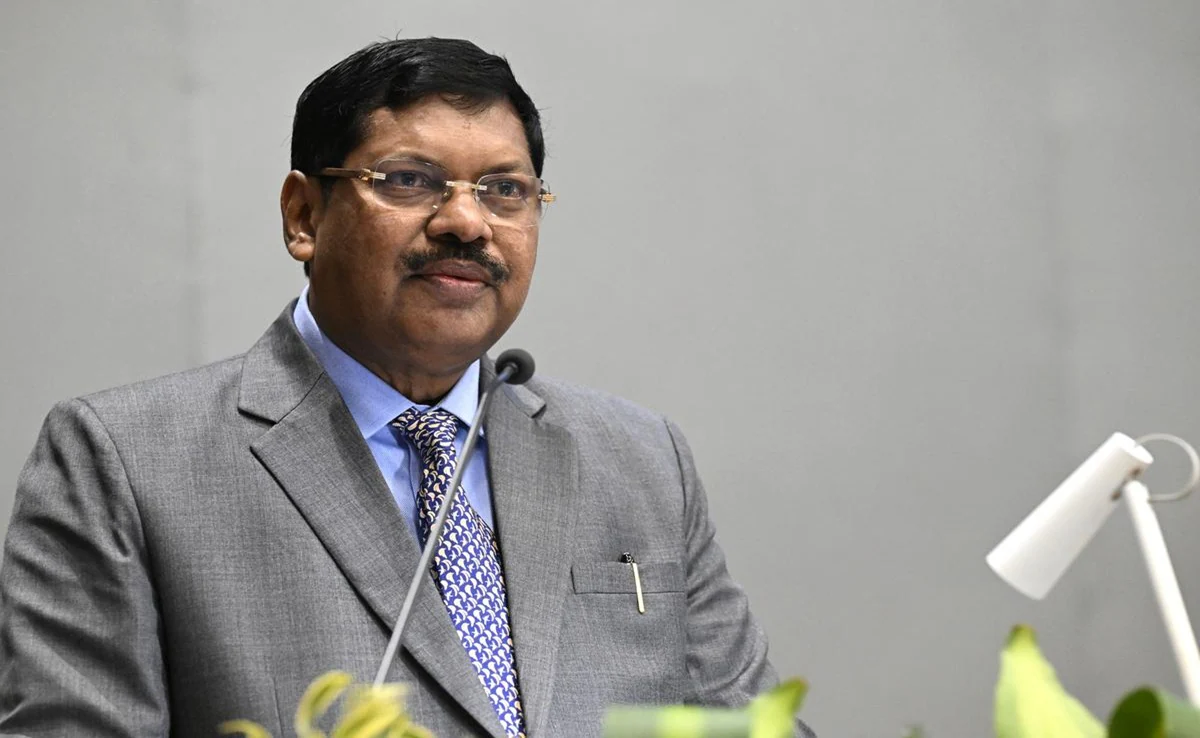
CJI’s magnanimity a misplaced leniency
There is growing uneasiness among law-abiding citizens of India over the shocking incident involving a ‘senior advocate’ hurling a shoe at Chief Justice of India B.R. Gavai.
Delhi Police let the offender, advocate Rakesh Kishore, off—ostensibly because the CJI did not press charges and the Supreme Court Registrar General too declined to do so—thanks to the humility and magnanimity of the second Dalit CJI of India, who is a practicing Buddhist.
Surprisingly (or perhaps not so), Prime Minister Narendra Modi belatedly condemned the incident. The shoe was hurled at 11:30 a.m., but the PM’s social media post came only at 8:29 p.m. He reportedly spoke to the CJI and appreciated his calmness in the face of the affront. The CJI earned high praise for remaining unruffled and unfazed, for quipping that such acts do not distract him, and for continuing with the proceedings.
If a lawyer other than a self-proclaimed ‘Sanatani’ or a person from a minority community had been offended by a judge’s observations and hurled a shoe at him, would the reaction have been the same? Extremely doubtful.
It is worth recalling that in 2023, four youngsters protesting against rising unemployment and the Manipur conflict had released harmless smoke inside Parliament to draw attention to their cause. They were charged under the draconian UAPA and sent to jail.
Rakesh Kishore, meanwhile, basked in his moment of glory or infamy emboldened by the unexpected pardon extended by the CJI. He claimed that he was merely an instrument of divine will, saying, “I did what God willed me to do.” In an interview with news agency ANI on Tuesday, 7 October, he declared that he had no regrets about his conduct and that he was hurt by the CJI’s comments on a petition involving the restoration of an ancient Lord Vishnu statue in a Khajuraho temple. Several Hindutva groups had termed Justice Gavai’s remarks in that case as anti-Hindu.
What makes the shoe-hurling act even more suspicious is the campaign against the CJI by right-wing influencers in the days preceding the incident. How did this escape the scrutiny of intelligence agencies? Fact-checker Md Zubair posted a clip from the YouTube channel of right-wing influencer Ajeet Bharti, featuring Kaushlesh Rai and Anupam Singh, an incitement to violence that clearly amounted to hate speech. It merited police action, yet none was taken.
This is curious, given how swiftly the government usually cracks down on criticism or satire on social media, often demanding that service providers take down allegedly offensive posts or videos. Yet, in this case, it did nothing to act against those inciting hatred toward the Chief Justice of India. Even 24 hours after the assault and insult directed at the CJI, the offending right-wing YouTube video remained online.
The conduct of the senior counsel toward the CJI and the Supreme Court Bench is deplorable and unbecoming of an advocate holding statutory status under the Advocates Act, 1961.
The law must take its course to preserve the sanctity of the apex court of India under statutory provisions. Legal action against such offenders will serve as a deterrent to others who might otherwise be emboldened by undue leniency and pardon.

.jpg)
.jpg)
.jpg)
.jpg)
.jpg)