.jpg)


.jpg)

 English daily published in Bengaluru & Doha

Ensuring safer street food
Last week’s Karnataka High Court ruling directing the government to bring street food vendors under the food safety rules should be welcomed by all those who have been urging the omnibus application of food safety standards across all categories of food sellers. The ruling addresses the anomaly that has existed for long where restaurants and hotels are subjected to rigorous enforcement while the ones selling eatables on footpaths, railway platforms, in food trucks parked opposite colleges, offices and institutions attracting hundreds of people, remain outside the licencing framework.
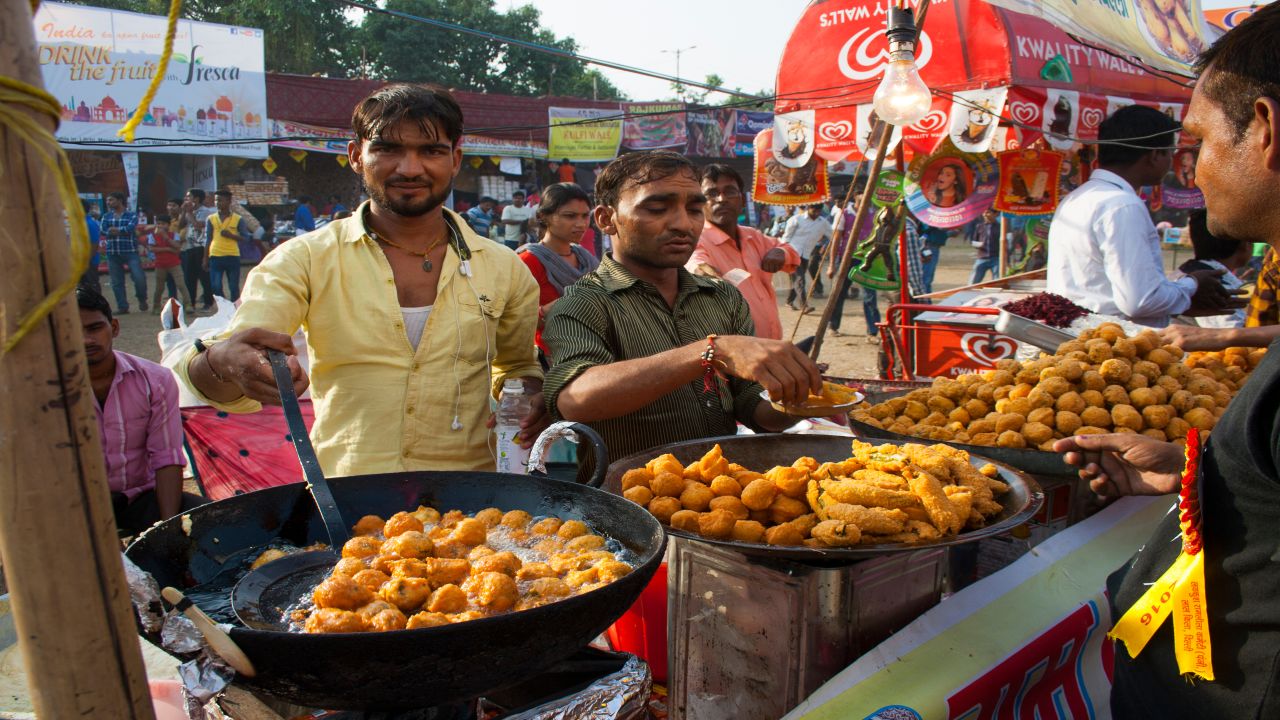
The ubiquitous Paani-puri stalls and mobile food joints that serve food to a floating clientele on a daily basis invariably flout the rules as well as standards in procurement of raw material, cooking, serving and cleaning of utensils. Rarely do the buyers check the antecedents of the food-sellers, let alone having a chance to look into the kitchens or places where these snacks are prepared and loaded onto the carts.
In several cases, videos gone viral have shown the utensils being licked clean by street dogs or workers employed by the mobile food-joints washing plates in extremely unclean water. Parked near the drains, public loos and garbage bins, the vendors most often care a damn about the norms of hygiene, let alone being aware of the standards of safety in matters of sourcing raw material, preservation of food and its storage.
To expect them to use gowns, gloves, caps and hand sanitizers as desired by the law is a luxury few vendors can afford or are willing to apply. It is imperative that all such food-sellers are made to comply with rules and regulations famed under the Food Safety and Standards Authority of India (FSSAI) and the clientele is assured of minimum standards of hygiene.

.jpg)
.jpg)
.jpg)
.jpg)
.jpg)