.jpg)


.jpg)

 English daily published in Bengaluru & Doha

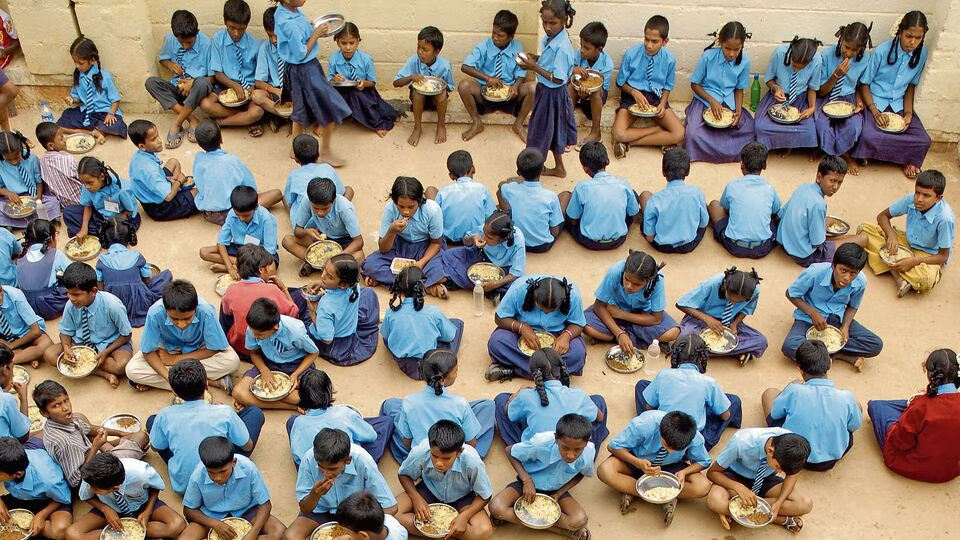
Government schools fail to measure up
The report of the survey conducted by the India Literacy Project and presented by Minister for School Education Mr. Madhu Bangarappa in the Assembly on Thursday doesn’t paint a rosy picture of state government schools. The reported decline of students’ enrolment by 17 lakh during the last 15 years needs deeper analysis. The survey attributes the fall in numbers to favour for English medium education which in turn results in choosing schools run by private managements.
The parents reportedly fancy English-medium education as it both widens and improves the prospects of employment and immigration to overseas jobs. Preference for central government syllabi and CBSE and ICSE schools too play a part. But this flight from public to private schools also owes itself to better infrastructure and quality of teaching and focus on growth of personality. The transition, as the reports points out, has been happening despite the state schools providing free education, free midday meals, uniform, supply of books and better accessibility.
Yet, the frequent reports of unavailability of teachers, vast number of vacancies being filled with guest teachers on measly wages, complacency among government-appointed teachers (there are even reports of proxy teachers working in rural schools) and inadequate infrastructure depress the prospects of better enrolment. It is more than a decade since the Government of Karnataka introduced English medium teaching in a substantial number of schools. This doesn’t seem to have reversed the flow from the private schools which have seen mushrooming growth in the state.
Increased urbanization and promise of jobs in MNCs for those proficient in English language is an additional driver for this preference. Perhaps, the deficiency can be fulfilled with due weightage given for spoken-English classes in state school. These schools will also do better by bringing in more accountability among teachers and administration through enhanced teacher-pupil rapport and focus on individualized attention.
The fall from favour of government schools will also have the inevitable fallout and result in a growing number of students getting educated without learning Kannada . This is no good augury for a Kannada-primary state which takes pride in its history, culture and traditions rooted in the state’s official language. Though the report doesn’t flag the issue, the authorities need to address the concern as the state would need to strike a balance between its economic development and cultural rootedness.

.jpg)
.jpg)
.jpg)
.jpg)
.jpg)