.jpg)


.jpg)

 English daily published in Bengaluru & Doha

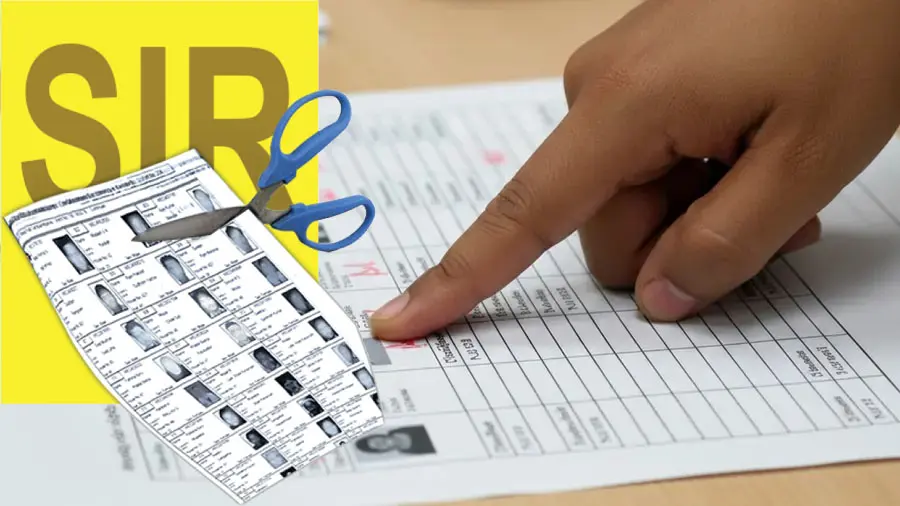
SIR deletions in WB and TN raise suspicion
The deletion of 15 per cent names from the electoral rolls in Tamil Nadu and 7.5 per cent in West Bengal are bound to raise suspicion among political parties -ruling as well as those vying for power in the states as well as civil society organisations. One wonders if the SIR exercise is intended to include all those eligible to vote or aims at excluding the ones who are not to the liking of the powers-that be.
The results from Tamil Nadu show patterns that not merely do not synchronise with demographic trends but also defy common logic. While detailed analysis might take time, early scrutiny shows certain patterns that are unusual at best, and surprising at worst. Reports appearing in the media suggest deletions involve more women than men; the deletions based on death being abnormally high; several polling stations showing excessive deaths defying the usual rate of mortality; some stations reporting 100 per cent deletions caused due to deaths; high numbers of “absent” voters; and, higher than average deletions citing the reason as “permanently shifted” and women far outnumbering men among them.
Polling stations where 50 people are shown ‘dead’, at least half of them are reported to have ‘died’ prior to 50 years of age, something that defies the demographic average age of mortality. There are polling stations where deletions involve 75 per cent from the women voters. There are 8,613 stations where more than 260 voters have been deleted. This is pointed out as abnormally high. Around 720 polling stations report deletions due to a mortality rate that is threefold of the average.
There are around 500 polling stations across 103 Assembly seats where all deletions have been attributed to deaths. While the average rate of deletions due to “absence” works out to 37, there are 6,139 stations where 74 electors—i.e., double of the average—have been deleted under the category. Similarly, more than usual women electors have suffered deletions under the “permanently shifted” category too.
In a country where names of women undergo change following marriage and attachment of surname of the husbands, it has to be presumed that such names would not match with electoral rolls revised during a similar exercise held 22 years ago i.e., in 2003. One doesn’t know if this has been factored in while conducting the 2025 SIR which is even otherwise alleged to be a rushed exercise and has been objected to by several political parties and civil society.
Given the irregularities bordering on manipulation highlighted in SIR in Bihar, and electoral rolls in Haryana, Maharashtra and a case of mischievous deletions in Aland constituency in Karnataka, the Election Commission would do well to take the complaints from those who missed out the exercise in the period allotted for the purpose. The Commission should allow ample time for filing of objections and address them meticulously to include all those who are genuinely eligible to exercise their franchise.

.jpg)
.jpg)
.jpg)
.jpg)
.jpg)