.jpg)


.jpg)

 English daily published in Bengaluru & Doha

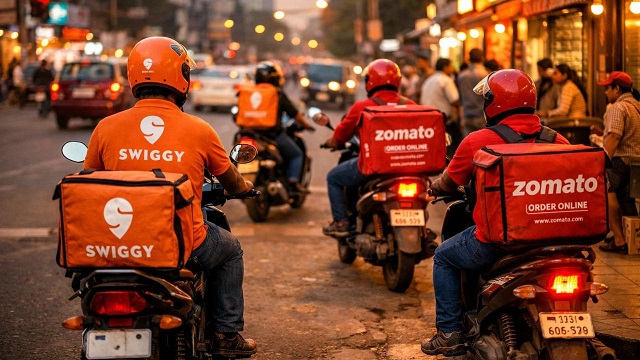
Gig workers safety is paramount
The decision by major food delivery platforms to remove the 10-minute delivery schedule is a commendable step. It is a positive step and deserved to be initiated for ensuring safety and sustainability of the food supply industry. The move followed discussion between aggregators, the Ministry of Labour and the gig workers associations. The promise of ultra-fast delivery of food was leading to pressure on gig workers, euphemistically termed agents, and had raised concerns about their safety as well as regulation of traffic in major cities which now abound with such services that depend on smartphones, stiff competition between aggregators and unsafe roads.
In order to comply with rigid schedules, the gig workers used to indulge in over-speeding, driving zig-zag amid heavier vehicles and indulging in all sorts of violation of traffic rules such as one-way entry and jump at signals. Traffic police across the country was having tough time in enforcing discipline and dealing with violators. However, for the authorities the priority was ensuring the safety of gig workers who were the major risk-takers of the booming trade which has witnessed massive jump in turnovers and revenue.
The relaxation is also in line with the newly introduced Occupational Safety, Health and Working Conditions Code 2020 (OSHWC) passed recently by the Parliament together with three other codes.
It is all likely to enhance operational efficiency by bringing down pressure of meeting deadlines. Gig workers who went on a nationwide strike last fortnight, were protesting against fixed timelines, low per-order earnings and algorithmic penalties for delays which were causing mental stress, long working hours and inadequate at best and nil at worst, social security cover. Besides, they virtually had no protection against sweltering heat or heavy showers, conditions that are not unique to a particular city. Not this alone, the pothole-ridden roads, long wait at traffic lights and clogged thoroughfares also posed challenges.
Even consumer surveys had indicated that most consumers were comfortable with 20 to 30-minute timeline and didn’t insist on 10-miute schedule. It was brand-value competition that had raised the stakes for the aggregators rather than the consumer satisfaction and had led to compromising safety of gig workers over speed. While the current decision has come about in the wake of gig workers’ safety concerns, the issue also deserves a relook from the angle of speedy meals that are contributing to ill-health and obesity due to use of instant mixes and increased deployment of packaged foodstuffs where check against use of expiry dates poses difficulties.

.jpg)
.jpg)
.jpg)
.jpg)
.jpg)