.jpg)


.jpg)

 English daily published in Bengaluru & Doha

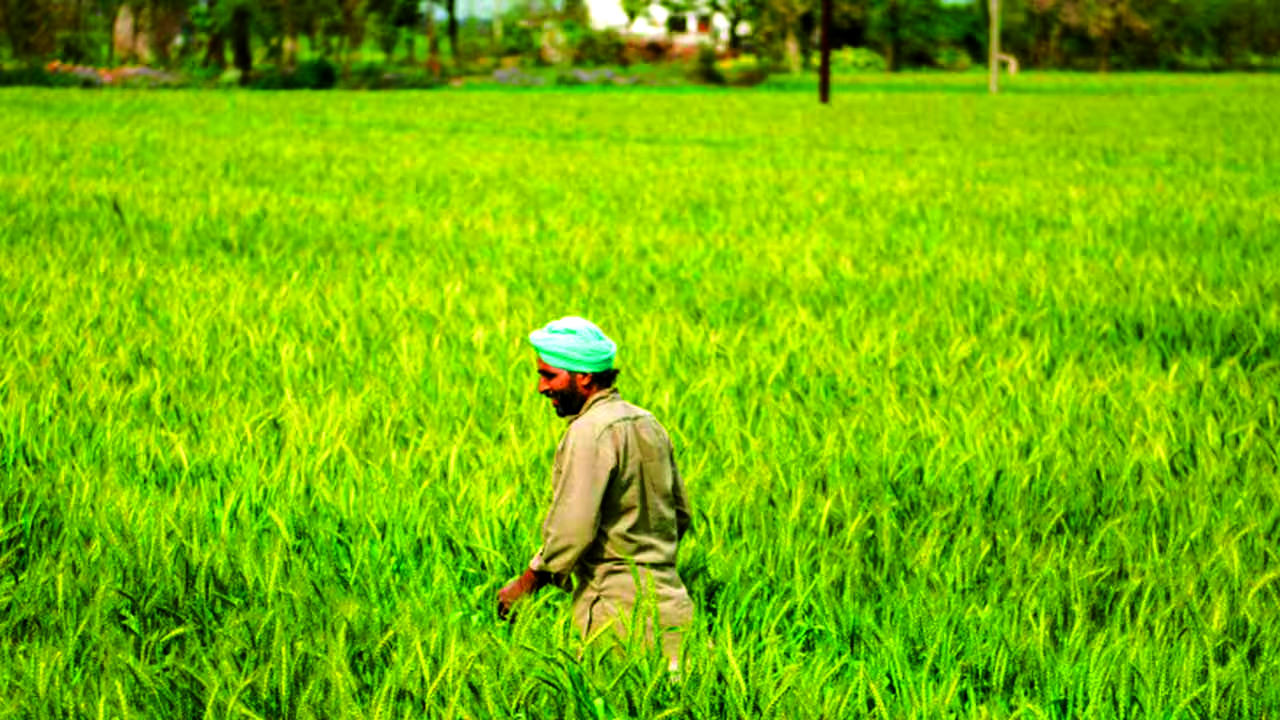
Indian farmers sacrificed at altar of US trade deal?
Washington’s decision to slash tariffs on Indian goods from a steep 50% to one of the lowest, 18% , has left several areas of the deal unannounced, which could be a setback for some sectors, especially Indian agriculture.Trump’s remarks post the deal announcement suggest that to secure the 18% tariff rate, India may have to make concessions. In his announcement, Trump said that India has agreed to move its tariffs and non-tariff barriers on US goods toward zero, without specifying which sectors would be covered under the proposed move.
Currently, India has some of the highest agricultural tariffs in the world, such as 150% on alcoholic beverages and 100% on many fruits and vegetables. If India follows through on this move to zero, domestic markets could be flooded with subsidised US farm products like corn (maize), soybean oil, and dairy products that small-scale Indian farmers may struggle to compete with on price.
Incidentally, India has previously resisted opening sensitive sectors such as food grains, genetically modified products, and other regulated imports.
Interestingly, in a post on X, US Secretary of Agriculture Brooke Rollins thanked Trump for once again delivering for American farmers.
She thanked Trump for a deal that will export more American farm products to India’s market. The new US-India deal will export more American farm products to India’s massive market, lifting prices, and pumping cash into rural America, she said in a post on X.
This likely confirms that the US sees this deal as a way to wipe out its $1.3 billion agricultural trade deficit with India in 2024.
The Trump-announced deal includes a big commitment by India to buy American products, with agriculture, energy, and technology listed as key areas. Higher imports of US almonds, walnuts, and apples could directly affect farmers in regions with climates similar to California, like Himachal Pradesh and Kashmir.
The US has long sought access to India’s dairy and poultry markets. If India relaxes rules on GM-free certification or cultural requirements, it could impact the livelihoods of millions of small-scale dairy farmers.While India is opening up to the US, staple grains (wheat and rice) will likely remain a redline it can’t cross. India cannot afford to jeopardise its food security or the politically sensitive minimum support price (MSP) system for these crops. For Indian farmers, the question is whether this will remain a real red line.

.jpg)
.jpg)
.jpg)
.jpg)
.jpg)