.jpg)


.jpg)

 English daily published in Bengaluru & Doha

Women’s voices, film heritage take centre stage at BIFFES
Bengaluru
The fifth day of the Bengaluru International Film Festival on Tuesday saw vibrant participation, with cinephiles and prominent personalities from film industries across India and abroad coming together to celebrate their shared love for cinema. Audiences enjoyed an engaging line-up of films in multiple languages at Lulu Mall, Bengaluru.At the panel discussion ‘Rewriting the Gaze: How Women Directors Are Changing the Language of Cinema’, Dr Jacquelin Roussety (actor, director and producer) and Nidhi Saxena (director) examined the shift from a male-dominated industry to one increasingly shaped by women filmmakers. The session was moderated by Sindhu Sreenivasa Murthy (writer, director and actor).
Dr Roussety spoke about the persistent “glass ceiling” faced by women directors and producers, pointing to stark pay disparities and structural barriers that hinder progress despite skill and talent.Nidhi Saxena reflected on the enduring influence of the male gaze in cinema. “The industry has been dominated by men for so long that even as audiences, we have internalised the male gaze,” she said. She noted that women have long been portrayed as objects of desire rather than storytellers, and questioned why “strong” female characters are often defined through masculine traits instead of authentic female strength.
Films for coming generations
Speaking at the session ‘Collection, Preservation, and Restoration of Films’, Aparna Subramanian stressed the urgent need to safeguard old films. “After watching classic films screened at the festival, I realised their quality is inadequate.
Producers often prioritise profits over preservation, and many negative prints have deteriorated beyond repair,” she said, calling on the Karnataka Chalanachitra Academy to prioritise the restoration of old Kannada films.
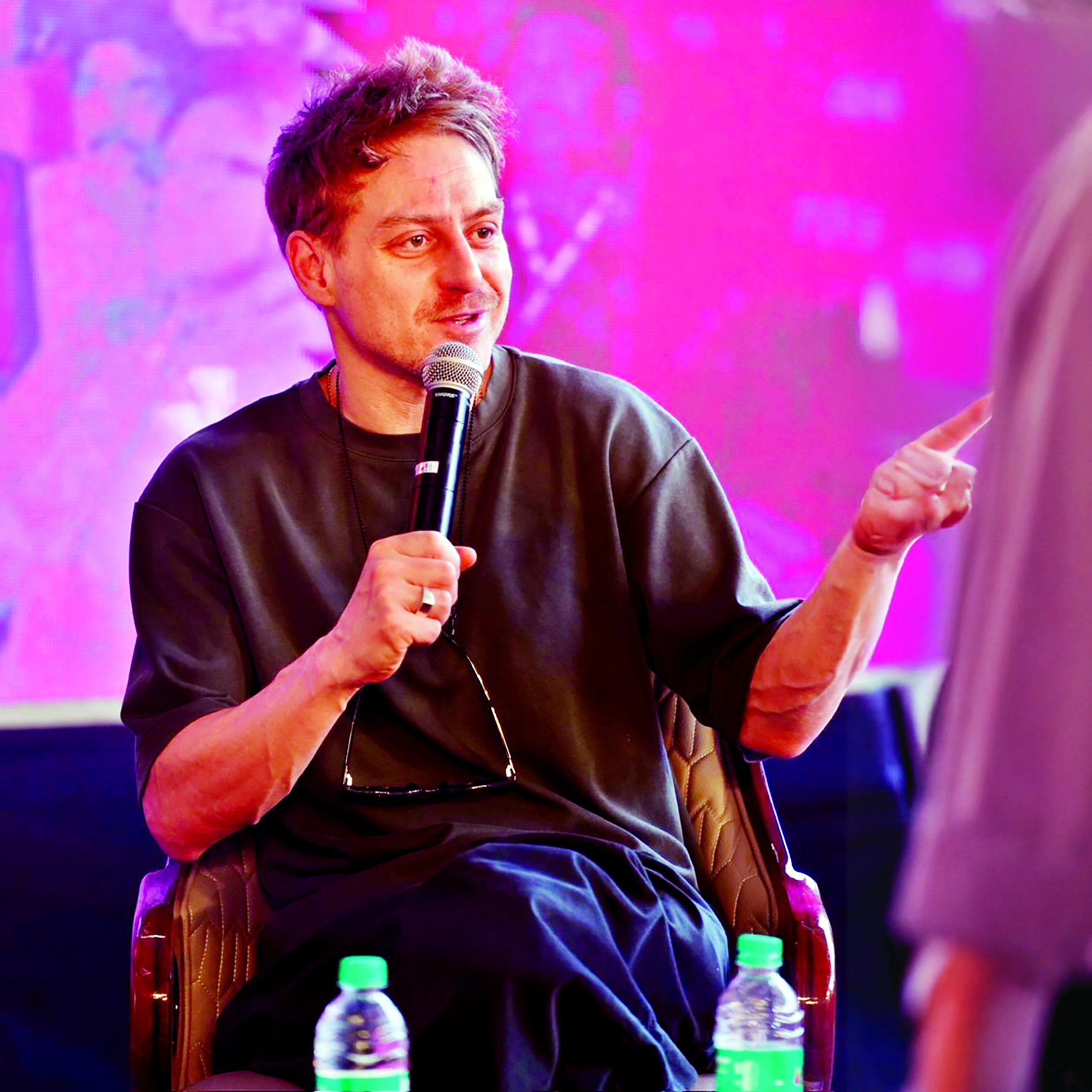
She shared that she personally retrieved the Tamil film Raktha Kanneer for the National Film Archive of India, which has preserved 5,000 films and is working on 2,500 more. Highlighting the costs involved, she said restoring a single film requires at least ?20 lakh and demands strong government support.At another session, ‘From Short Films to Feature: Finding Cinematic Language’, Polish filmmaker Damian Kocur spoke about his approach to cinema as a sensory, emotional and deeply human medium. He said he favours silence over excessive visual or narrative noise, believing cinema can rely on basic human sensations rather than constant stimulation.
Hemavathi’s enduring relevance
Speaking at a panel discussion on Siddalingayya’s film Hemavathi, organised by the Karnataka Lekhakiyara Sangha, senior journalist Ch. H. Raghunath said the film occupies a distinctive place in the director’s body of work. “After Bangarada Manushya and Boothayyana Maga Ayyu, Siddalingayya approached Hemavathi as a fresh creative endeavour. Though not a direct adaptation of the Ramayana, its thematic essence is subtly embedded in the narrative,” he said.
The discussion also featured Dr R. Sunandamma, president of the Sangha, writer and film critic Sandhya Rani, and journalist Manasa Chandrika. Sandhya Rani noted that Hemavathi, which highlights several social issues faced by women, remains relevant today. “In cases of dowry harassment, if parents had listened to their daughters even once, many lives could have been saved. The film addressed these issues decades ago, yet its themes remain pertinent,” she said.Dr Sunandamma observed that women in films were once valued only for their appearance, with talent and creativity often ignored. “This mindset is slowly beginning to change,” she added.




.jpg)
