.jpg)


.jpg)

 English daily published in Bengaluru & Doha

Bangladesh: New beginnings on cards?
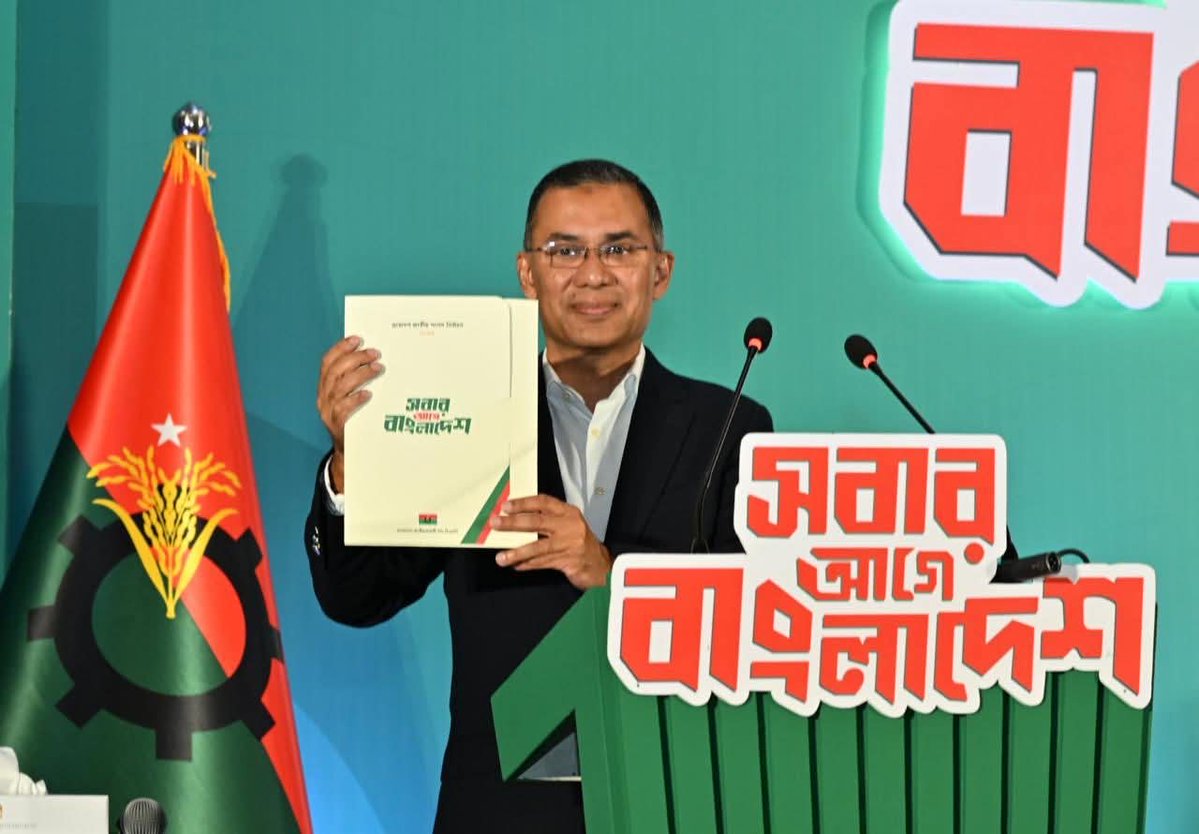
The landslide win of the Bangladesh Nationalist Party (BNP) in the elections held for the Jatiya Sangsad in Bangladesh should come as the most positive development in India’s troubled neighbourhood. That the party’s 60-year old leader Tarique Rahman would be taking over as prime minister is a foregone conclusion. The BNP has secured two-thirds majority with 212 of the 297 seats for which the results have been declared. The conservative Jamaate Islami which led an 11-party alliance has secured 68 seats while its ally, the National Citizens Party (NCP) has garnered 7 seats.
The members for 50 seats reserved for women will be elected on a proportional representation basis. The legitimacy of the outcome does carry a negative mark as Awami League, the former ruling party, was barred from the contest. But then the fact that the elections were held after a popular uprising against her authoritarian rule which forced her exit, provide a counterbalancing argument for fairness of the exercise. Though the election results have brought down curtains on a four decade era during which power alternated between BNP and the Awami League, both led by women leaders, Rahman, son of former prime minister Khaleda Zia, continues the dynastic legacy, a hallmark of the South Asian politics.
Having returned less than two months before the February 12 polls, he remains untested both as a parliamentarian as well as power wielder, as he has never contested an election before. He has promised restoration of democracy in Bangladesh as his priority. Rerailing the nation’s economy, controlling skyrocketing prices of essential commodities and creating employment opportunities for the huge unemployed youth population will be major challenges he would have to attend to in immediate future.
His appeal to his supporters to go for Friday prayers (results were announced on Feb. 13) and avoid jubilation and show of strength in streets does provide some indication of his wish to foster unity in a nation racked by bitter political rivalry and fractiousness. Prime Minister Narendra Modi has done well by conveying to Rahman India’s wish to strengthen bilateral relations and to work together in the direction.
In fact India’s gesture of deputing External Affairs Minister S. Jaishankar to attend Khaleda Zia’s funeral was the first click of the button to reset ties at a time India lost its most credible ally with Hazina Wazed’s exit. However, her continued asylum will remain an irritant in the mutual ties, more so because she has been sentenced to death by a Bangladesh court. India may find this to be a conundrum as days proceed.

.jpg)
.jpg)
.jpg)
.jpg)
.jpg)