.jpg)


.jpg)

 English daily published in Bengaluru & Doha

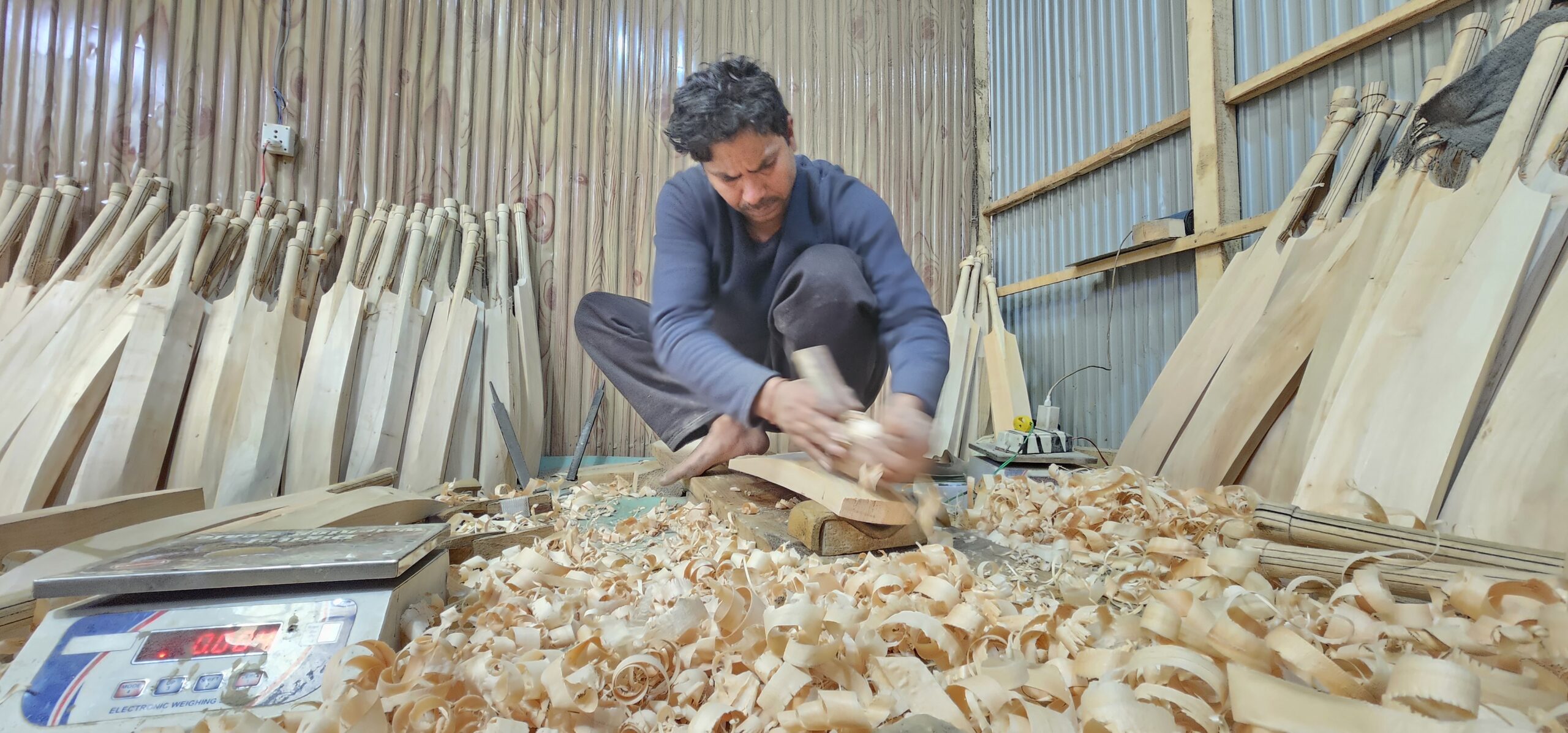
From willow to winners, J&K claims its destiny
For generations, India’s cricketing dreams have quite literally grown out of Kashmir. The majority of bats used across the country are fashioned from Kashmir willow, the pale, resilient wood that has struck countless schoolboy boundaries and international centuries. Yet the region that supplied the instrument of aspiration was seldom permitted to shape the game’s destiny. Jammu and Kashmir were indulged as romantic participants in the Ranji Trophy – plucky, picturesque, peripheral – but rarely regarded as serious contenders.
That illusion has now been decisively shattered. Jammu and Kashmir’s entry into their first Ranji Trophy final is not a miracle, nor a sentimental tale of triumph against the odds. It is an argument – and a formidable one. It demonstrates that structural disadvantage is not destiny. In a region long marked by political unrest, disrupted schooling, harsh winters and fragile sporting infrastructure, sustained planning has achieved what sporadic enthusiasm never could.
Under the captaincy of Paras Dogra and the methodical coaching of Ajay Sharma, red-ball cricket was restored to primacy over the short-term glitter of the IPL. A stable core of young players was identified and backed over seasons rather than discarded after setbacks. Specialist support staff was added. Pitches were diversified with both red and black soil surfaces, encouraging adaptability. Pre-season exposure in competitive tournaments hardened temperament. This was not romantic defiance; it was administrative clarity.
The broader symbolism is impossible to ignore. In the Valley, cricket has become more than recreation. It offers routine in the face of uncertainty, modest income amid unemployment, and a credible pathway to national recognition. The emergence of figures such as Parvez Rasool, Umran Malik, Rasikh Salam and Abdul Samad has converted distant possibility into tangible precedent. Young cricketers in Srinagar or Jammu now train not merely with hope, but with evidence.
This achievement should unsettle those who once dismissed the region as fringe to India’s cricketing map. It also carries a warning. Progress here emerged from vision, patience and institutional backing – not from token gestures or episodic funding. If investment falters, if infrastructure remains uneven, or if representation disputes are allowed to fester, this moment could dissipate into symbolism alone.
Kashmir has long supplied the willow that fuels India’s cricketing imagination. It has now supplied a team capable of contesting the nation’s premier domestic title, the Ranji Trophy. The metaphor has matured into reality. The question is no longer whether Jammu and Kashmir belong at the highest level of Indian domestic cricket. It is whether Indian cricket is prepared to sustain and respect the force it has finally helped to cultivate.

.jpg)
.jpg)
.jpg)
.jpg)
.jpg)