.jpg)


.jpg)

 English daily published in Bengaluru & Doha

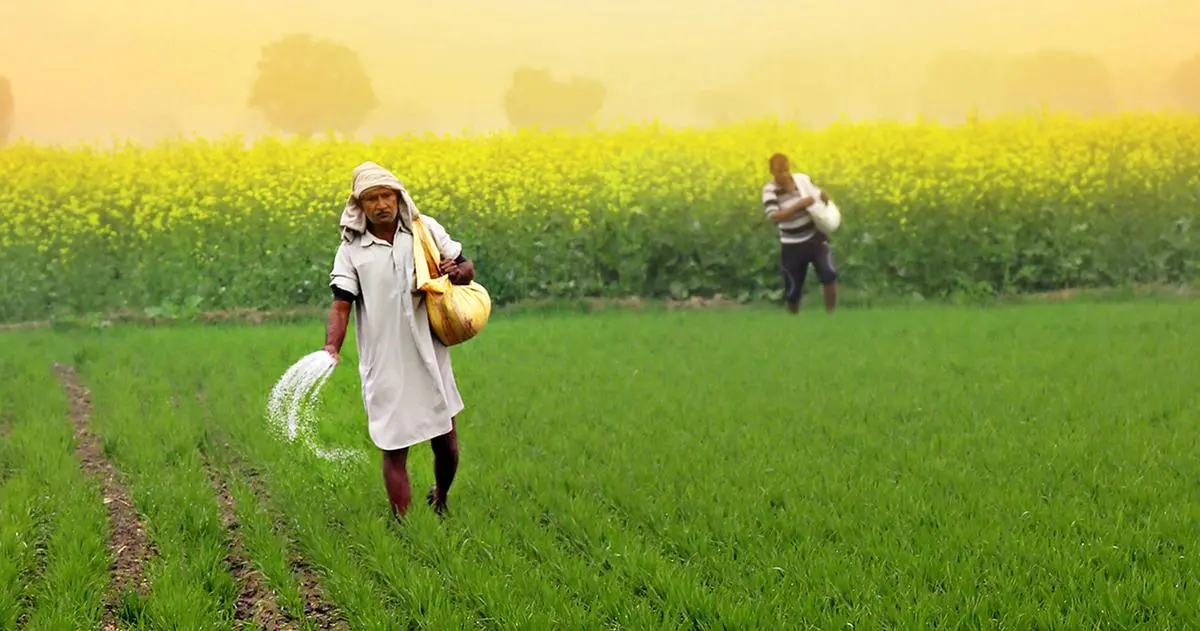
West Asia crisis prompts tighter urea control, FID made mandatory
Hubballi
In a significant shift aimed at regulating fertilizer use and preventing misuse, the Agriculture Department has made it mandatory for farmers to produce a Farmer Identity (FID) to purchase urea from the upcoming monsoon (Kharif) season. The move, driven by both domestic concerns over excessive fertilizer usage and global uncertainties linked to the West Asia crisis, marks a transition toward a more controlled and data-driven distribution system. State government sources said strict instructions have been issued to ensure that fertilizer distribution is aligned with actual landholding and cropping patterns.
Under the new system, urea often referred to as “white gold” by farmers will be supplied only based on verified land records through the K-Kisan software. Officials say the decision is not merely administrative but also precautionary. According to Gadag Joint Director of Agriculture Chetana Patil, the ongoing conflict in West Asia could delay the import of key raw materials used in fertilizer production. “Delays in imports may impact production levels. Hence, we have decided to closely monitor distribution and prevent misuse,” she said. However, authorities clarified that there is no immediate shortage.
Dharwad Joint Director of Agriculture Manjunath Anthravalli reassured that supply remains stable for now, highlighting that the new regulation is more about discipline than scarcity. “At present, the required supply is reaching us. But we must ensure scientific usage and prevent wastage,” he said. Anthravalli also flagged a growing concern over the indiscriminate use of urea by farmers in the region. While agricultural experts recommend one bag per acre for most crops and up to two bags for water-intensive crops like sugarcane many farmers are reportedly using as many as eight to ten bags.
“The land has a limit. More fertilizer does not mean more yield. Excessive use not only wastes money but also damages soil health and leads to environmental runoff,” he explained. Beyond promoting scientific farming, the mandatory FID system is also designed to clean up the fertilizer supply chain. By linking purchases to authenticated land records, the department aims to curb black marketing, hoarding, and diversion of subsidized urea for non-agricultural purposes, including industrial use and cattle feed.
The system will ensure that only genuine farmers can access fertilizers and only in quantities suited to their crops and land extent. Farmers who already possess an FID have been advised to link all their survey numbers to their ID. Those without an FID must obtain one by visiting Raitha Samparka Kendras, Common Service Centres, or Grama One centres. On the enforcement side, authorities have warned fertilizer dealers to strictly adhere to the new guidelines.
All sales must be carried out through the K-Kisan software by entering the farmer’s FID, and O-forms must be regularly updated. Any violations—including selling above the maximum retail price, operating with expired licenses, hoarding, creating artificial scarcity, or diverting stock—will attract strict action under the Fertilizer Control Order (FCO), 1985. Last year, the Kharif season recorded a urea demand of around 26,000 to 27,000 tonnes in the district. With the FID system in place, officials expect a more streamlined and transparent distribution process as the new season begins in May.
Rampant misuse
Agricultural experts recommend 1 bag per acre for most crops and up to 2 bags for water-intensive crops like sugarcane. However, in many parts of North Karnataka, farmers are reportedly using 8–10 bags per acre, far exceeding recommended limits. Excessive urea use does not increase yield—instead, it leads to soil degradation and declining fertility over time. Overuse also results in financial loss for farmers due to unnecessary input costs. Environmental risks include nutrient runoff, which can pollute water bodies and harm ecosystems. Misuse and bulk buying have also contributed to black marketing, hoarding, and artificial scarcity during peak seasons.

.jpg)

.jpg)