.jpg)


.jpg)

 English daily published in Bengaluru & Doha

Ceasefire in the Middle East
Eyes all across the continents are riveted on Islamabad where the mediatory talks between the United States and Iran are taking place on Friday and Saturday to impart an enduring span to the two-week truce between the US-Israel and Iran. As of now the truce appears fragile what with Israel still bombing positions of Hezbollah in southern Lebanon as well as densely populated areas in Beirut even as US vice president JD Vance and Iranian Parliament Speaker Ghalibaf are heading for Pakistan’s capital to have direct talks.
Optimism is being expressed as global oil prices have shown a downslide. Relief has also been expressed from leading capitals of the world over current cessation of hostilities. But there are grave apprehensions over success of the talks. Iran has demanded immediate halt to attacks over Hezbollah positions citing applicability of the truce to be encompassing all the resistance groups dispersed over the entire Middle East.
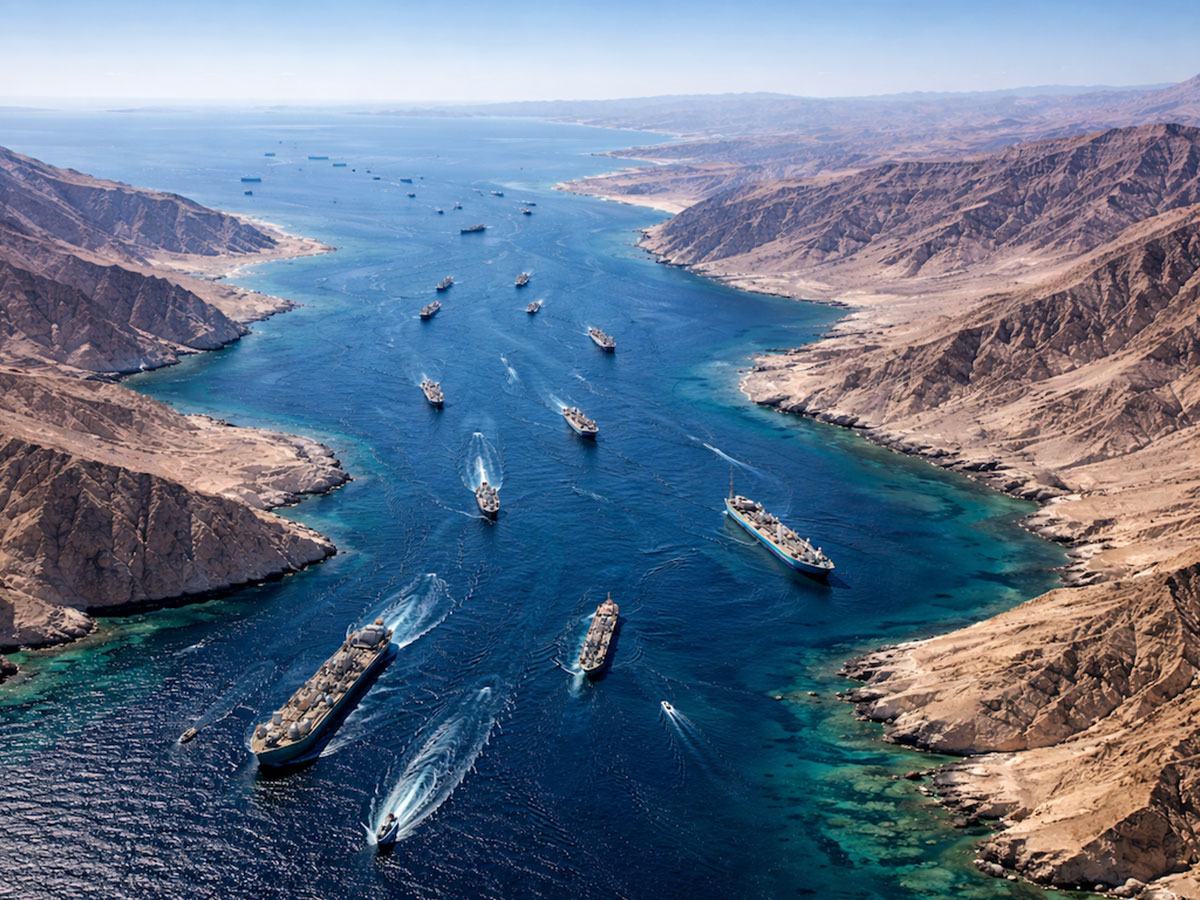
As per the 10-point proposal, the talks would cover complete and permanent cessation of war on Iraq, Lebanon and Yemen; permanent cessation of war on Iran; ending all conflicts in the region (read Middle East); reopening of the Strait of Hormuz; establishing a protocol and conditions to ensure freedom and security of navigation in the Strait of Hormuz; full payment of reparations for reconstruction to Iran; full commitment to lifting of sanctions on Iran; release of Iranian funds and assets held by the US; Iran committing itself to not seeking any nuclear weapons; and, immediate ceasefire to take effect on all fronts upon approval of the above conditions.
It is all too evident that the 10-point Iranian proposal forms the template for the mediatory talks which in itself is an indication of a massive climb-down by the United States. Not alone this. Trump made no mention of the 15-point US proposal placed before Iran which Iran rejected summarily. It is useful to be reminded that only a day before this Trump had warned of destroying the entire Iranian civilisation inasmuch as “there wouldn’t be a person to burn a lamp”.
Viewed against this grandstanding and fierce war rhetoric, US approval for talks does betray keenness to prioritise talks over conflict. Deputing vice president JD Vance instead of hawkish Defence Secretary Pete Hegseth invests the talks with optimism as Vance had been a consistent advocate of pursuing diplomacy in dealing with Iran instead of jingoism. The United States would do well by recognising the Iran’s firm commitment against developing weapons of mass destruction, something Israel would like the US to disbelieve. This recognition would allow the US to come to terms with new realities in the region rather than seeing the Middle East as a vast reservoir of cheap energy to be accessed at will and by intimidation.

.jpg)
.jpg)
.jpg)
.jpg)
.jpg)