.jpg)


.jpg)

 English daily published in Bengaluru & Doha

Stage being set for a fresh showdown
Tensions are palpable and bound to surge further following the US threat to blockade Iranian ports in the Gulf effective from Monday. President Trump’s fresh threat comes following collapse of direct US-Iran talks in Islamabad on Sunday (April 12). The strategic move is targeted at severing Iran’s oil export revenue, nearly $45 billion annually and paralyzing the nation fighting the war imposed by the United States and Israel. The oil exports accounted for nearly 13 per cent of Iran’s GDP last year.
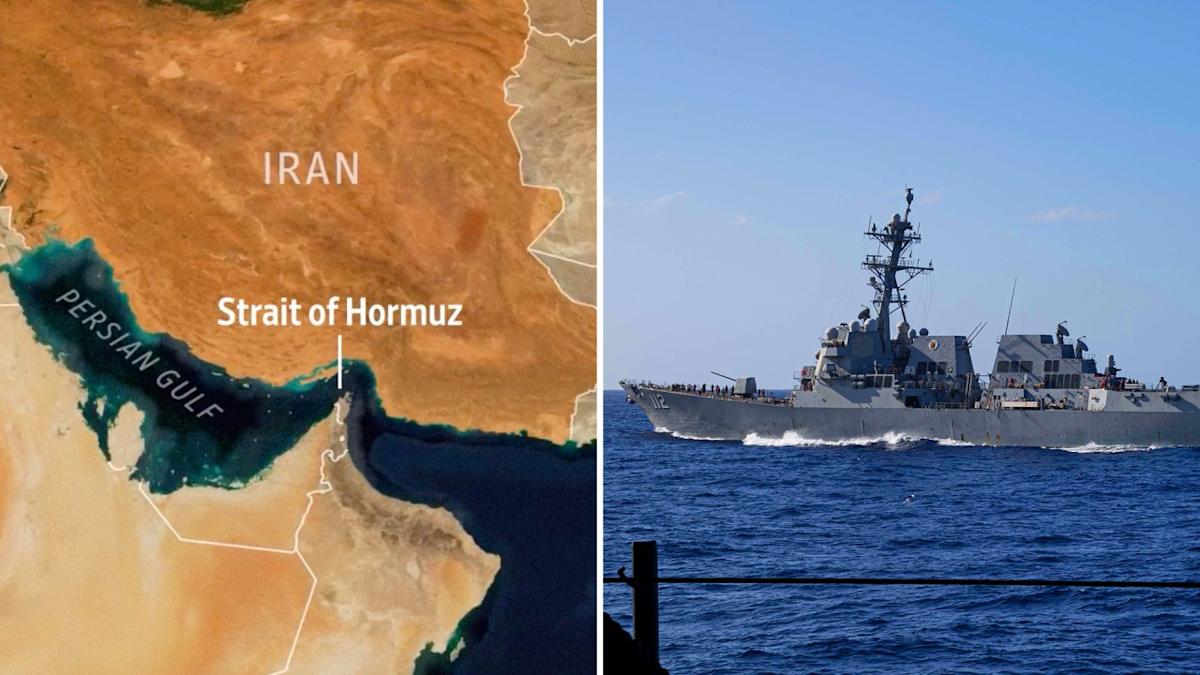
As reports suggest US naval ships are converging around the Iranian ports to effectively blockade vessels attempting to enter or depart Iranian ports. The action by the US Central Command potentially adds a new dimension to the ongoing conflict with oil supplies to several nations coming under the threat and causing surge in global oil prices which had begun to downslide following the two-week truce. President Trump has directed the U.S. Navy to intercept vessels in international waters that have paid "illegal tolls" to Iran for passage through the Strait of Hormuz.
While making it clear that navigation of ships to ports of other nations will not be impeded, the new move is mainly intended at disrupting supplies to China, the largest buyer of Iranian oil, nearly 90 per cent of its needs. China has so far been a distant observer of the ongoing war and behind-the-stage backer and arms supplier of Iran. It is also being seen as a tactical move to pressure China to enter the mediation for a durable ceasefire. It is also intended to cripple the economic ability of the Iranian Revolutionary Guards Corps to fund the regional proxies viz, Houthis of Yemen, Hezbollah in southern Lebanon and the Hamas in Gaza.
But Iran is least likely to take the threat lying down. The IRGC has threatened to disrupt oil exports from all the ports in the Gulf and blow up oil installations, if its ships are blockaded. It has warned that any military threat will be met “harshly and decisively”. It has the potential of widening the conflict and conflagration resulting in disruption of global oil supplies and further surge in prices, a bad augury for nations struggling with the energy crisis in the region. Brent crude has already surged beyond $103 per barrel. It sold for $70 prior to the start of the US-Israel war against Iran on February 28. The new stage being set for the showdown between the combatants urges serious and sincere efforts from nations such as India and China to explore newer avenues to bring peace.

.jpg)
.jpg)
.jpg)
.jpg)
.jpg)