.jpg)


.jpg)

 English daily published in Bengaluru & Doha

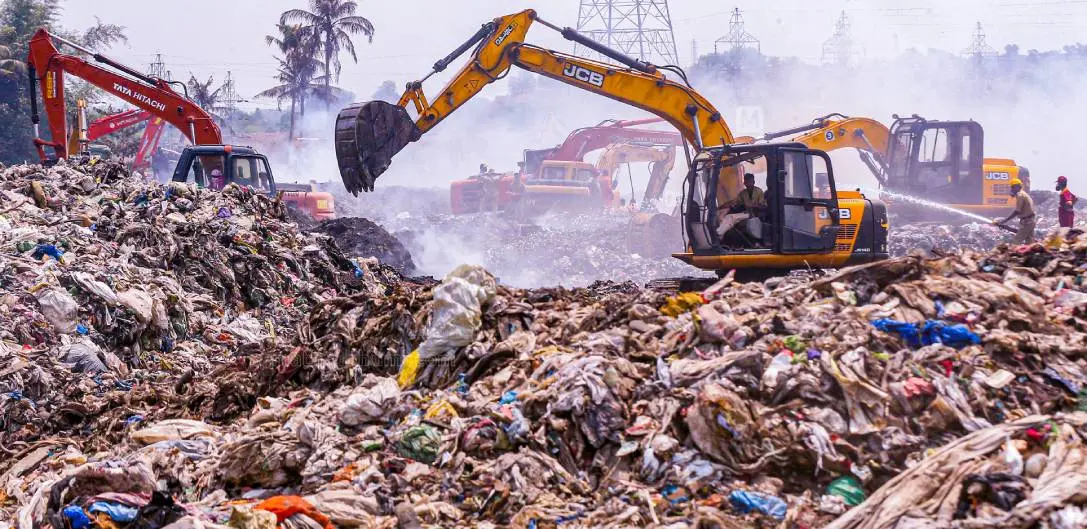
Waste mgmt overhaul planned with C&D, Bio-CNG plants
Hubballi
The twin cities of Hubballi and Dharwad are on the cusp of a major transformation in waste management, as the Hubballi-Dharwad Municipal Corporation (HDMC) moves away from conventional dumping practices towards a sustainable “waste-to-wealth” model. With key infrastructure projects nearing completion, the civic body is preparing to scientifically process both construction debris and organic waste at scale, reducing landfill dependence while generating reusable resources and clean energy.
According to HDMC officials, the Construction and Demolition (C&D) waste processing plant at the 67-acre Shivalli site is about 80% complete. The project, estimated at Rs 10 crore—including Rs 3.4 crore for machinery—will have the capacity to process 100 tonnes of construction debris per day. First proposed in 2016, the project faced initial resistance from local residents. However, following multiple rounds of discussions and clarification of concerns, the initiative was eventually taken up for execution.
Once operational, the facility will convert construction waste into value-added materials such as M-sand, curb stones and pavement slabs, significantly reducing the burden on landfills. The plant is currently awaiting installation of a transformer before trial runs can commence. Parallel efforts are underway to modernise organic waste management. At present, the city depends on windrow composting, a time-consuming process that takes nearly a month.
To enhance efficiency, HDMC has partnered with Bharat Petroleum Corporation Limited (BPCL) to establish a Bio-CNG plant. The proposed facility will process 100 tonnes of wet waste daily and generate around 5 tonnes of Bio-CNG. While excavation work has been completed, civil works, including installation of protective liners, are currently in progress. An Effluent Treatment Plant (ETP) will also be set up to treat leachate and prevent soil and water contamination.
Despite these advancements, the corporation has faced challenges in implementing certain eco-friendly measures. An earlier attempt to use treated water from Sewage Treatment Plants (STPs) for dust suppression proved unsuccessful due to impurities that could damage equipment. Officials say the ongoing initiatives mark a step toward sustainable urban waste management, though continued public cooperation, especially in waste segregation, will emain crucial to the system’s long-term success.
.jpg)
.jpg)