.jpg)


.jpg)

 English daily published in Bengaluru & Doha

Opposition needs to stay united
The defeat of the Constitution (131st Amendment) Bill in the Lok Sabha on April 17, 2026, marks a watershed moment in India’s parliamentary history. This was the first time the Narendra Modi government failed to secure the required two-thirds majority for a constitutional amendment. The Bill received 298 votes in favour and 230 against; the government required 352 votes. Given the lack of numbers, it was expected that the Bill might not pass. The government was banking on fissures within the opposition, but those hopes were misplaced.
The address to the nation by Prime Minister Narendra Modi on Saturday night, in which he tried to lob the ball back into the opposition’s court belied signs of nervousness and fears of losing ground. It is factually wrong to suggest that the opposition is not keen on reservation for women. In September 2023, in a rare show of across-the-aisle unity, the women’s reservation bill was enacted as the 106th Constitution Amendment. It was also unanimously decided that the reservation would take effect following the first census after 2023 (currently underway) and the subsequent delimitation of constituencies.
The government’s argument was that since women’s reservation wouldn’t have been possible for the 2029 elections, the 131st Amendment would facilitate it by pegging it to the 2011 census, and the delimitation that would see an immediate expansion of the Lok Sabha to 850 seats. Admittedly, the 2029 elections would not have seen the implementation of the women’s reservation under the original timeline. So be it. All parties had agreed to that in 2023. There was no pressing need for the government to unilaterally overrun that historic 2023 consensus by bringing in the 131st Constitution Amendment.
So, the issue clearly is not women’s reservation, as the Prime Minister and ruling party leaders claim. It is the delimitation based on an outdated 2011 census that would have penalised those states that effectively implemented national policies on population control. Under this proposed arithmetic, Tamil Nadu would have seen its seats drop from 39 to 32, while Uttar Pradesh would have increased from 80 to 89. Such a shift would have fundamentally diminished the political relevance of the South in favour of the North.
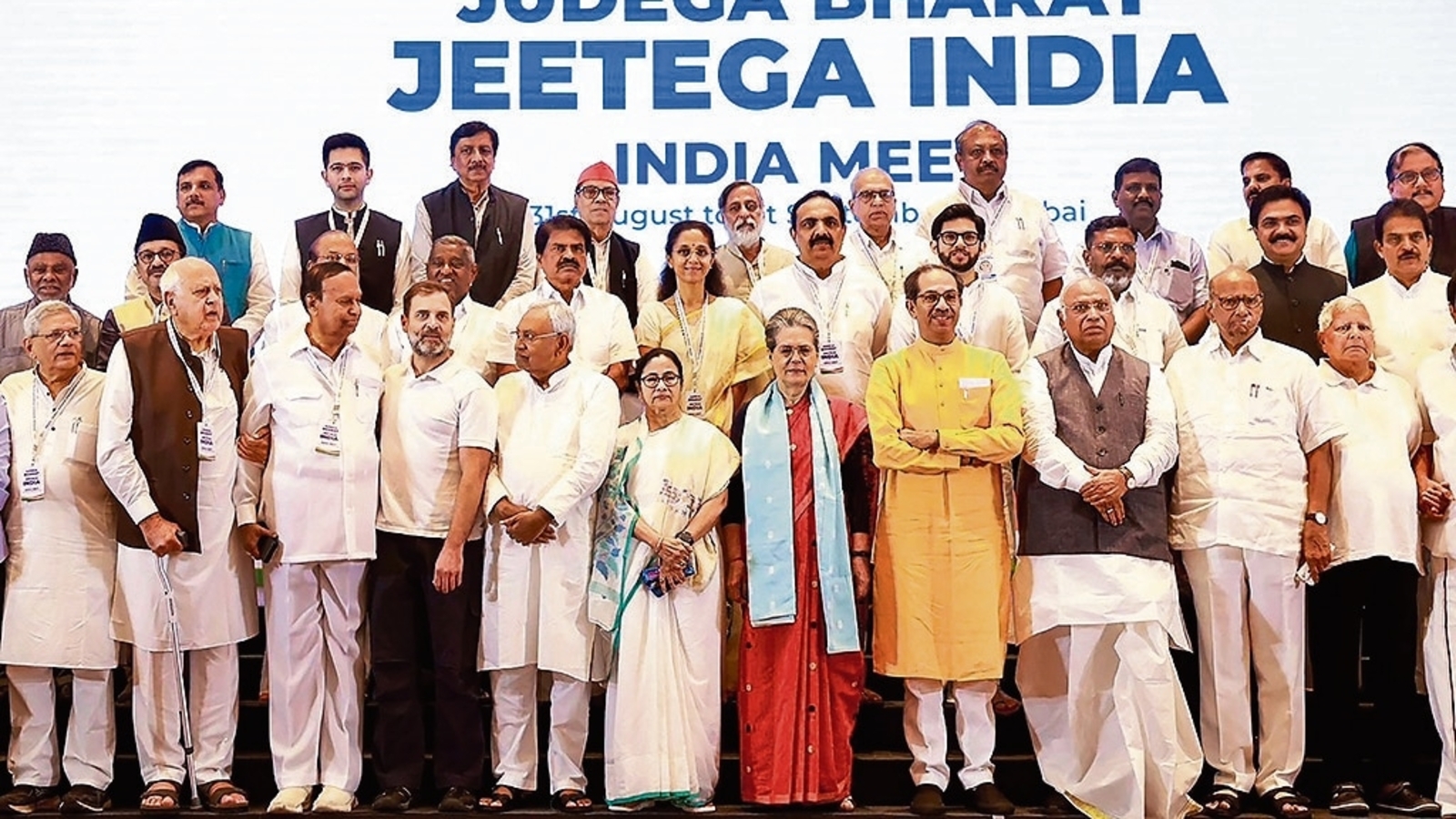
What we witnessed on Friday night in the Lok Sabha was a consolidation of opposition parties acting as a check on the government; a cornerstone of any democracy. This spirit of ‘people power’ will only have lasting meaning if the opposition continues to stay united. The greatness of a democracy is not found solely in the conduct of the ruling party; the opposition, too, has an equally important role to play.

.jpg)
.jpg)
.jpg)
.jpg)
.jpg)