.jpg)


.jpg)

 English daily published in Bengaluru & Doha

Apple’s new CEO faces AI challenge
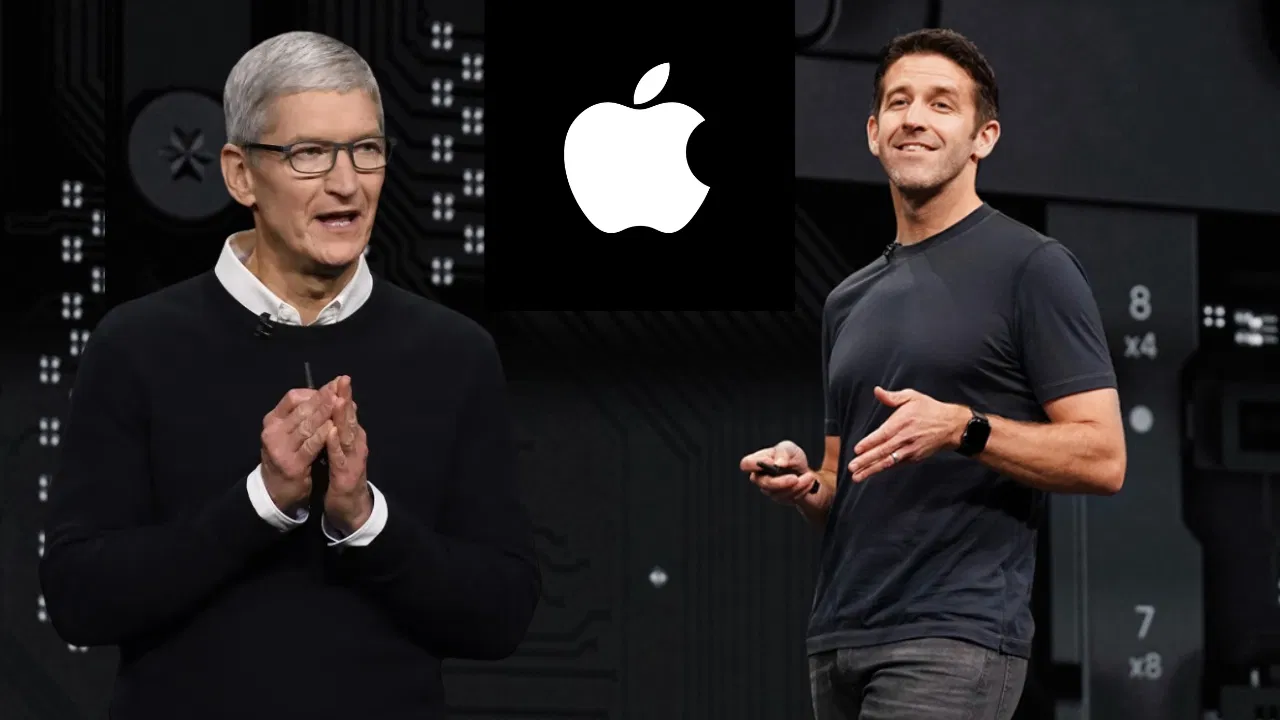
On September 1, 2026, Apple will undergo its most significant leadership shift since 2011, as John Ternus succeeds Tim Cook as CEO. While Cook has elevated the company’s market valuation from $350 billion to $4 trillion, his successor inherits a company that is facing a sense of stagnation and a desperate need to catch up in the artificial intelligence race. The most glaring challenge for Ternus is Apple’s status as an “AI laggard”. While rivals like Microsoft and Google have integrated AI well and truly into their ecosystem, Apple has fallen behind so much as to rely on Google’s Gemini to power its revamped Siri.
For a company that is considered as one of the best examples of vertical integration, having to depend on a competitor on something as important as AI is an indication of a crucial missing link in its internal roadmap. Apple is sure to catch up on the AI race under Ternus. But the dilemma he is bound to face is the “privacy paradox”. Apple has built its brand on a “privacy-first” mantra, treating data security as a fundamental human right. However, the industry’s big trend of highly personalised, generative AI, thrives on consumption of vast amounts of data.
To catch up without compromising its core USP, Ternus will have to lean into Apple’s silicon advantage. By running AI workloads locally on proprietary chips rather than in the cloud, Apple can offer “personalised AI” that stays on the device. Beyond software, Apple is also battling a stagnation in hardware. The smartphone segment hasn’t seen any major changes for years, with only incremental updates compared to the “revolutionary innovations” of the Steve Jobs era.
To break this cycle, Ternus will have to think of something beyond just a thinner iPhone. The industry is looking for a breakthrough: maybe the long-rumoured foldable iPhone or a new era of AI-enabled wearables like smart glasses. Can Ternus do it? His “product perfectionist” reputation does offer a glimmer of hope. Cook was often viewed as a “logistics man” but Ternus is a hardware veteran who has been with Apple for 25 years and has a famous eye for details.
He has been instrumental in every major product line, from AirPods to the transition to Apple silicon. Ternus’s challenge is to prove that his engineering skill sets can lead to trend-setting innovations that Apple has always been known for. To ensure that the company continues to have a dominating presence, he will have to move it from a “logistics-first” leader to a “product-first” innovator. Apple fans want to see not better renditions of yesterday’s technology, but what’s new after the iPhone.

.jpg)
.jpg)
.jpg)
.jpg)
.jpg)