.jpg)


.jpg)

 English daily published in Bengaluru & Doha

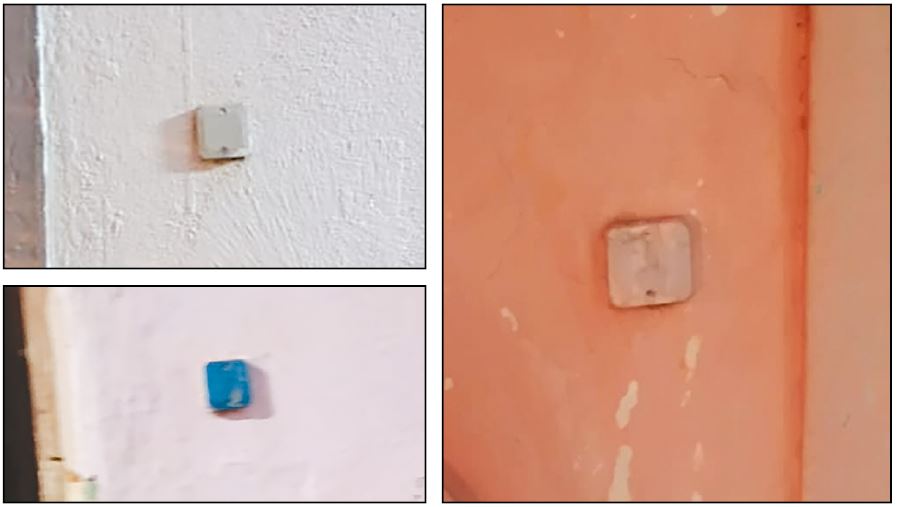
Automated sensing replaces manual RFID in waste management
Hubballi
The Hubballi-Dharwad Smart City Limited (HDSCL) is demonstrating how data-driven systems can transform urban services. Its waste management initiative is evolving into a sophisticated, automated network designed to ensure no household is missed. A few years ago, in an effort to streamline door-to-door garbage collection, HDSCL installed RFID tags in over 1.25 lakh households across the twin cities. Sanitation workers accompanying collection vehicles were required to manually scan each tag using handheld devices to upload data on waste collection. However, the system posed challenges.
Workers often complained that manual scanning added to their workload, slowed down operations, and affected their ability to complete daily collection targets. Additionally, technical issues such as slow performance and device damage further hampered efficiency. The city has now transitioned to an automated long-range sensing system. With this upgrade, waste collection vehicles can detect household “pings” within a 15-foot radius, eliminating the need for manual scanning.
This not only reduces human error but also significantly speeds up the collection process. To strengthen accountability, the fleet of 314 waste collection vehicles has been equipped with advanced GPS tracking. The Integrated Command and Control Centre (ICCC) enables real-time monitoring of operations, including route tracking to ensure adherence to assigned paths, identification of delays, and geo-fencing alerts if vehicles deviate from designated wards.
The project represents a significant investment, with ?43 crore allocated for ICCC infrastructure, including ?8 crore earmarked for a five-year maintenance plan. The initiative draws inspiration from the widely acclaimed “Indore model,” focusing on technology-driven governance rather than manual processes. “We are moving towards a system where data speaks for itself,” said Nayana KS, Environmental Engineer with Hubballi-Dharwad Municipal Corporation (HDMC).
“With live tracking and automated sensing, we can assure citizens that waste collection is efficient and transparent.” Officials noted that the shift marks a strategic “change in approach” under the Smart City project. The system currently covers around 1.25 lakh households, with new properties being added regularly. A comprehensive GIS update is also underway to ensure that every household is integrated into the monitoring network.

.jpg)

.jpg)

