.jpg)


.jpg)

 English daily published in Bengaluru & Doha

Fireworks business: Violations galore
Firecracker factory accidents in India, particularly in hubs like Virudhunagar, or Sivakasi in Tamil Nadu, repeat frequently due to a combination of systemic negligence, illegal operations, poor enforcement of existing safety laws, and the high-risk nature of the work. Despite stringent regulations under the Explosives Act of 1884 and 2008, accidents persist, with recent blasts in April 2026 causing over 25 deaths, raising serious questions about the effectiveness of safety audits and enforcement.
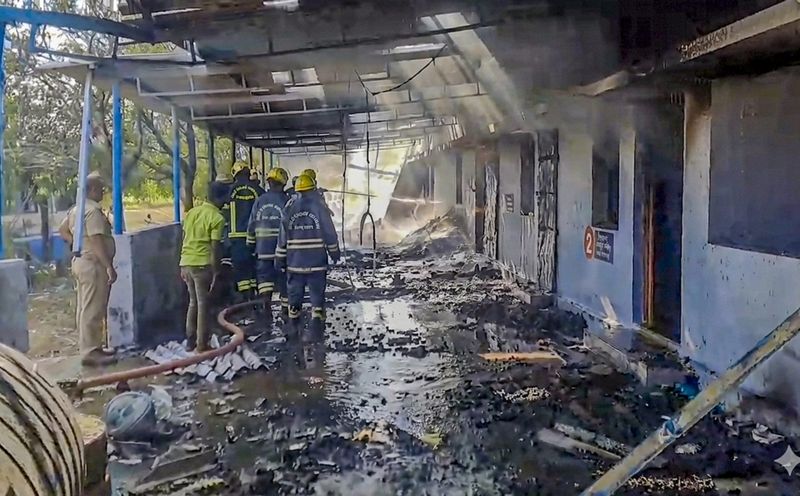
The industry supplies firecrackers for weddings, festivals and other ceremonies and has faced repeated scrutiny over safety standards. At least 13 people were killed in an explosion at a firecracker factory in Thrissur, Kerala. Incidentally, all fireworks units preparing for the upcoming Thrissur Pooram , a major annual Hindu temple festival , had permission to manufacture and store fireworks in designated areas. The workers were preparing fireworks for the Thiruvambady Temple, one of the two main participants in the climactic displays of the Thrissur Pooram.
The festival’s famed fireworks, staged by Thiruvambady and Paramekkavu Bhagavathy Temple , unfold in four phases, with the main overnight display drawing huge crowds on the seventh day. A week earlier, 25 people were killed in an explosion at a firecracker factory in Tamil Nadu, with four others seriously injured. The blast occurred at the Vanaja Fireworks Industry in Virudhunagar. The factory was supposed to be closed but about 50 workers were inside at the time, officials said.
A second explosion occurred while rescue operations were on, injuring 13 more people, though none sustained serious burns. Firecracker factory accidents are common in India because highly volatile chemicals are handled in cramped, low-cost setups where even a small spark can trigger explosions. The industry, which is largely informal, supplies firecrackers for weddings, festivals and other ceremonies and has faced repeated scrutiny over safety standards. One study recorded 9,896 accidents in the sector in Sivakasi between 2003 and 2010 alone, including 398 fatal incidents.
In Kerala, a 2016 explosion and fire at the Puttingal Temple in Kollam district, killed more than 100 people and injured 400 more. In 2021, 39 lives were lost in two separate incidents of explosions in firecracker manufacturing units in Virudhunagar district. Following this, a total of 70 units were closed over violation of safety norms. Fireworks manufacturers often swear to compliance, but the reality inside factories is often a different story. No masks, no gloves and often very little fire safety protocols are followed. While regulations exist, many factories violate rules, such as overcrowding of workers, unauthorized manufacturing in storage areas, and using unskilled labour. Many units hold licenses only for trading or small-scale operations but engage in large-scale illegal manufacturing, often operating unauthorized, makeshift sheds.

.jpg)
.jpg)
.jpg)
.jpg)
.jpg)