.jpg)


.jpg)

 English daily published in Bengaluru & Doha


A system without scrutiny: Children, charities and control
Bengaluru
A news story appearing across city dailies reports 24 children who hailed from Bihar’s Araria district and enrolled in a madrassa in Tumakuru were rescued at the KSR City railway station earlier last week. The kids as young as 10 to 12 had fled the madrassa due to harassment and daily hardship they were undergoing. They complained of insufficient food being served to them by the madrassa management which had brought them from Bihar assuring their parents of imparting them religious education and training.
A similar report emanating from Jabalpur two weeks ago mentioned the Madhya Pradesh police rescuing 163 children from Bihar’s Araria and Supaul districts and Uttar Pradesh’s Banda district from Jabalpur and Katni railway stations. The Railway Police booked eight men from Bihar on the charges of trafficking of children. They carried no documentation for the children accompanying them. Over the years, such reports have been originating from several corners of the nation.
Inquiries reveal that hundreds of maulvis from Bihar and Uttar Pradesh have been setting up madrassas (Islamic theological schools) in Maharashtra, Telangana, Karnataka and Andhra Pradesh as they are able to raise ample amount of charities even though these states have sufficient number of local madrassas fulfilling the local needs. Of late, this has assumed the proportions of a racket as kids as young as 8 to 10 years are severed from their families and made to travel over thousands of kilometres to southern states in semi-starved conditions to be taught by teachers who themselves possess no degree from any authentic theological institutions in the state in the north.
The whole operation is aimed at providing livelihood to madrassa graduates who have migrated from UP, Bihar and their splinter states where madrassas abound and overproduce maulvis (7-year basic ‘Alimiyat’ course), fazils (a two-year degree following ‘Alimiyat’ course) and hafiz (those who have memorisied the Holy Quran). UP already has around 23,000 registered madrassas. Bihar has over 2,800 registered madrassas. Mr. Syed Sabahuddin, former exam controller of the Bihar Madrassa Examination Board, who spoke to this writer from Patna over phone, said the figures pertain to nearly five years ago.
He said, there were another over 2,000 unregistered madrassas in the state. “With such huge numbers being trained locally, need for taking children from Bihar to far off destinations in the south was inconceivable.” A cursory survey reveals that nearly 200 madrassas have sprouted in an around Bengaluru during the last 25 years. Most of these have been set up by maulvis, principally from Bihar and Uttar Pradesh. Most of these outfits operating out of ramshackle buildings, mainly around mosques or slums, have been set up by those who originally arrived from upcountry destinations to take up positions of imams (prayer leaders) and muezzins (the ones calling Azan) around the 1990s.
Measly salaries and wages in an expensive city like Bengaluru forced them to look for better options for livelihood and setting up a madrassa topped the list. Prospects of larger charities was a salivating spectre. Most madrassa are run in shabby, cramped buildings, charities are raised during Ramazan through appeals following five-time prayer. Most often inflated numbers and need for a permanent building are cited to boost collection.
There being no central authority to recommend syllabus, issue accreditation, audit accounts and evaluate standards and issue sanad (degrees or certificates), they operate as independent, sovereign institutions requiring no inspection and authorisation. A girl-student was manhandled in a madrassa operating under the name Jamia Ayesha Siddiqa Lil-Banat in the eastern suburbs of the city. The madrassa owner Maulvi Anwar Ali hailed from Uttar Pradesh who had arrived around 25 years ago. The Times of India reported 10 kids from Bihar being rescued at Bangarapet six months ago.
The kids said they were being taken to a madrassa in Malur for ‘higher education’. Rote learning and corporal punishment are normal as these outfits operate under totally unsupervised environment. The madrassa managements employ ‘agents’ to procure children from poor families, mainly from Seemanchal region of Bihar and Gonda, Basti, Bahraich, Deoria and other such district of UP. Few among the local Muslims nowadays prefer madrassas education.
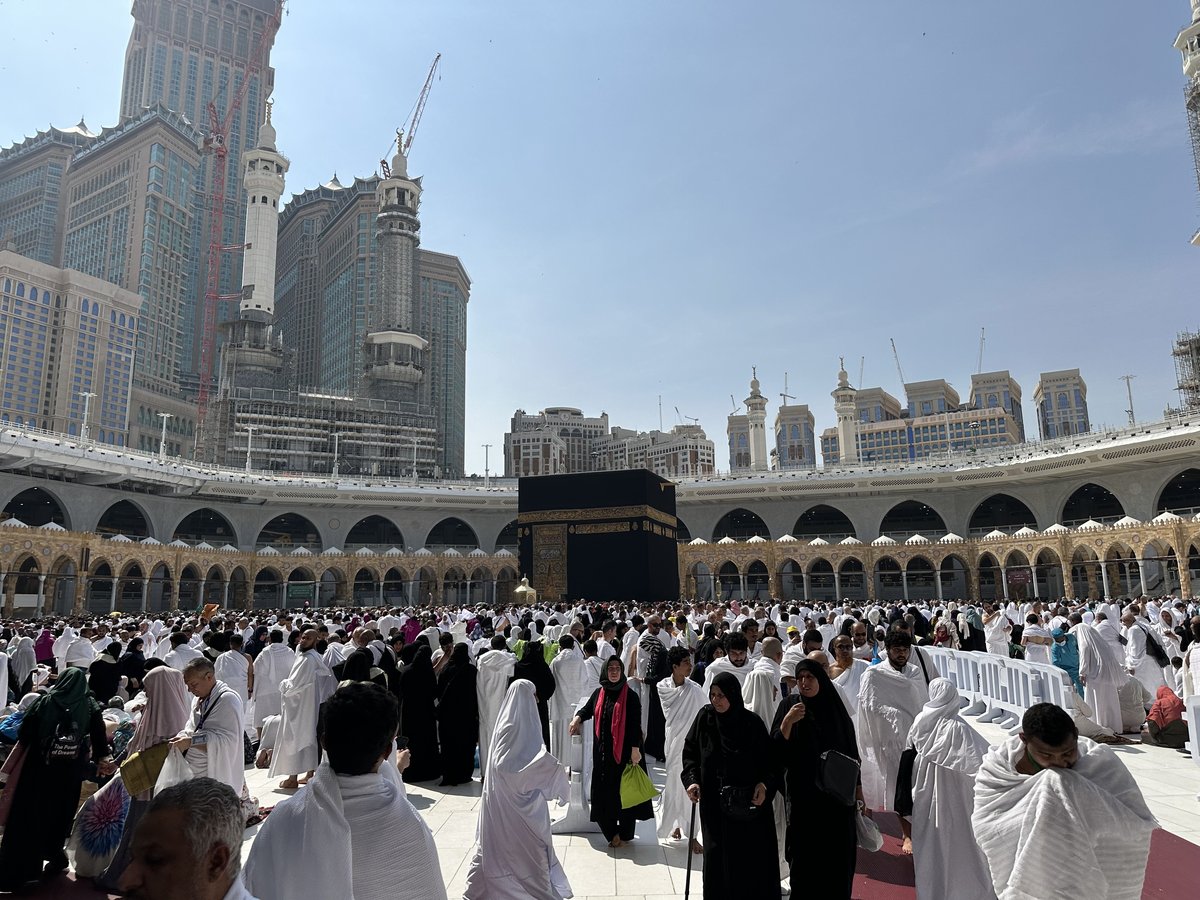
Charities are finally channelled into the coffers of the founders known as ‘muhtamims’ (rectors) who normally make a deluxe class Umrah trip to Saudi Arabia during Ramazan even as children are served insufficient and more often unhealthy food. The circumstances and environment under which these madrassas operates calls for a thorough investigation of infrastructure, number of students, their origin, type of syllabus, qualification and procedure of appointment of teachers of these outfits and laying down necessary guidelines for examining needs for such institutions in Karnataka. And there is no gainsaying the fact that the overall syllabus of madrassas needs alignment with the needs of the modern society.
.jpg)
.jpg)