.jpg)


.jpg)

 English daily published in Bengaluru & Doha

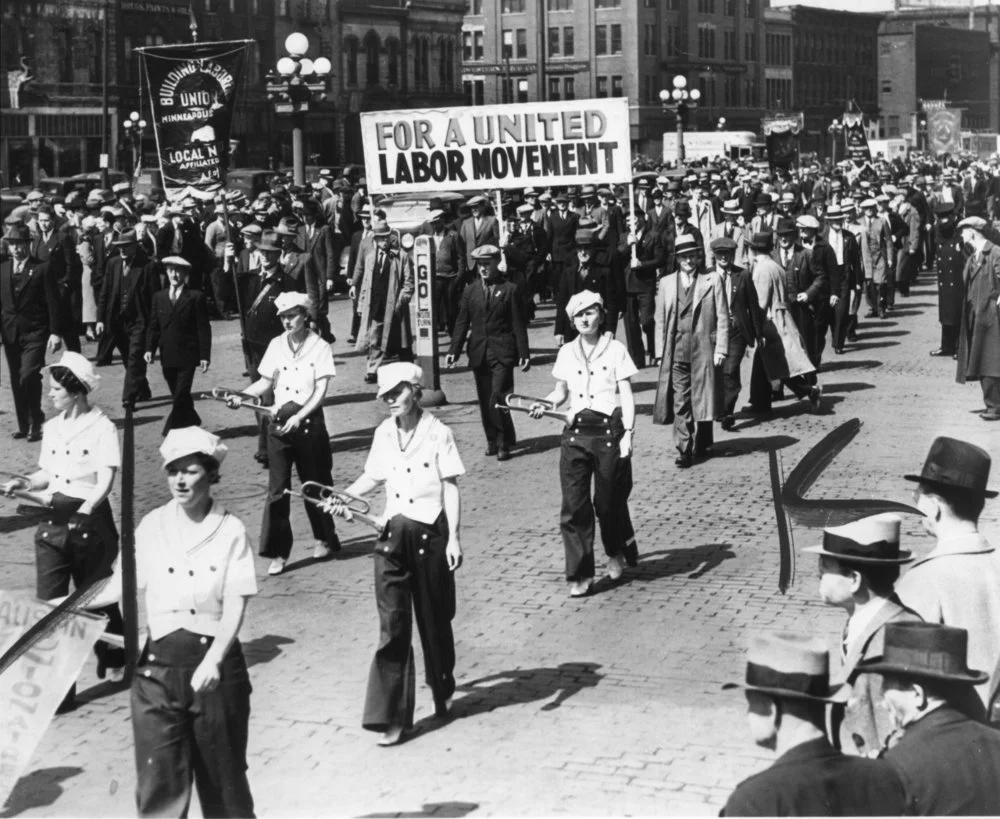
May Day must move from symbolism to substance
Each year, May Day arrives draped in red flags, speeches and familiar slogans. Yet, for millions of workers across India, the distance between commemoration and lived reality remains stark. The day’s historical roots – from the Haymarket affair to early union movements in India – were grounded in a simple demand: dignity of labour. That demand has not diminished; if anything, it has grown more complex in a rapidly changing economy. The nature of work itself has shifted.
Traditional factory floors are no longer the sole theatres of labour struggle. Contract workers, gig economy participants and informal sector labourers now form the backbone of urban industry, from manufacturing hubs to logistics networks. Recent unrest in Noida is a reminder that, beneath the veneer of growth, anxieties over wages, job security and working conditions persist. These are not isolated disturbances; they are signals of structural imbalance. For too long, the discourse around labour has been trapped in binaries – growth versus rights, capital versus workforce, reform versus resistance.
This framing is both outdated and unhelpful. India’s economic ambitions cannot be realised by suppressing labour concerns, just as worker welfare cannot advance in an environment hostile to investment. The path forward lies in reconciling these imperatives, not choosing between them. The responsibility is shared. Workers and their representatives must reassert the core purpose of unionism: collective bargaining grounded in realism, transparency and accountability. Political affiliations – whether with parties such as the Communist Party of India (Marxist) or others – should not dilute the primary duty to members. Credibility, once eroded, is difficult to rebuild.
Employers, for their part, must recognise that sustainable growth is inseparable from fair treatment of labour. Timely wages, formal contracts and safe working conditions are not concessions but essentials. An over-reliance on precarious employment may deliver short-term efficiencies, but it breeds long-term instability. The state’s role is pivotal. India does not suffer from a paucity of labour laws; it suffers from inconsistent enforcement. Streamlined compliance, coupled with firm oversight, can create a climate where both enterprise and equity thrive.
Equally important is the need for swift and credible dispute resolution mechanisms, preventing grievances from escalating into confrontation. Finally, society must confront its own contradictions. The convenience of cheap services often rests on invisible labour. Recognising dignity across all forms of work is not merely ethical – it is foundational to a just economy. May Day, then, should not be reduced to ritual. It must serve as an annual reckoning – a moment to ask whether the promise of dignity, forged in struggle, is being honoured in practice. The answer will determine not just the fate of workers, but the character of the nation’s progress.

.jpg)
.jpg)
.jpg)
.jpg)
.jpg)