.jpg)


.jpg)

 English daily published in Bengaluru & Doha

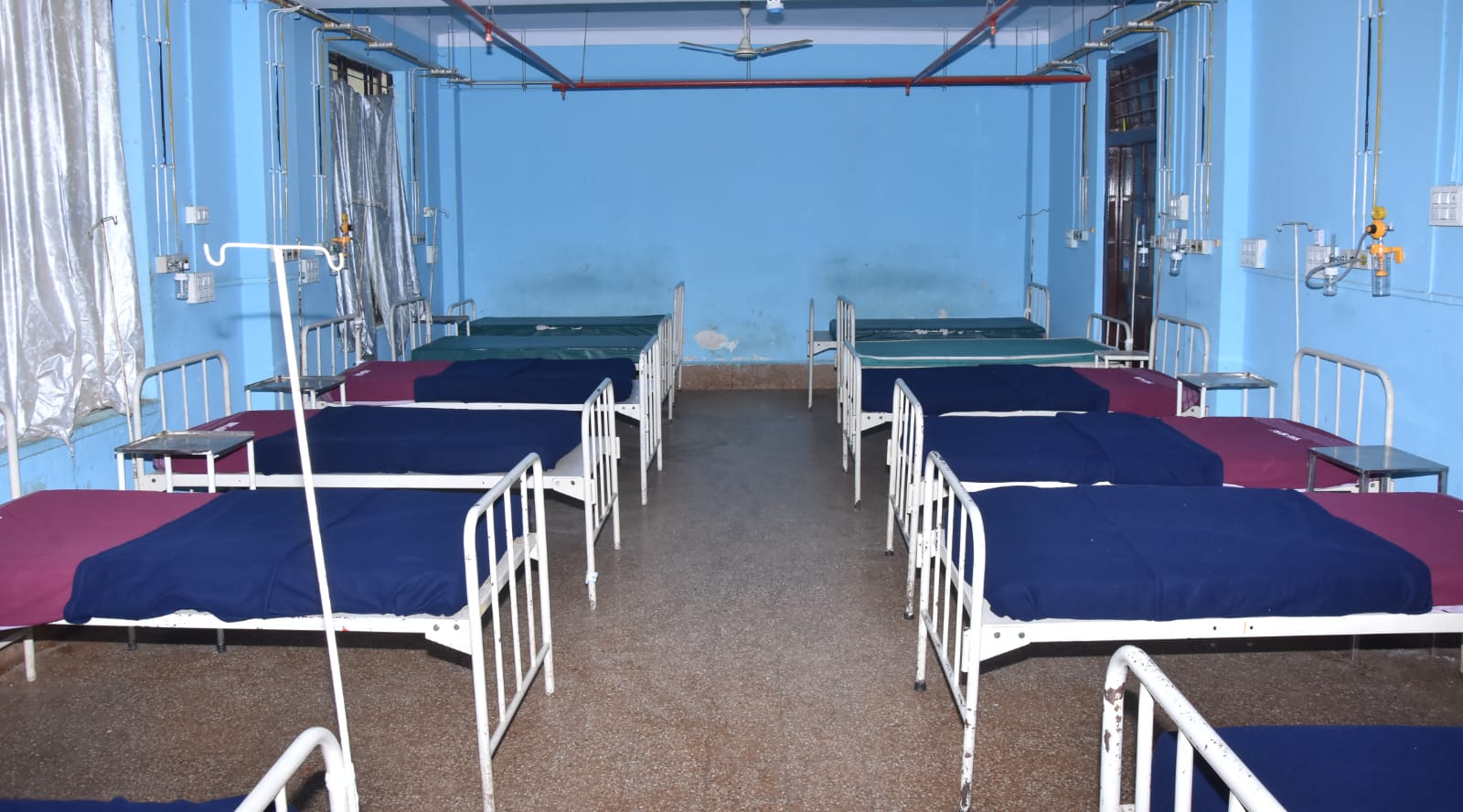
Heatwave looms over north interior Karnataka: KMCRI opens dedicated heat stroke ward as temperatures climb
Hubballi
With summer temperatures steadily rising and humidity amplifying the heat across North Interior Karnataka, health officials and weather experts are urging residents to take strict precautions. In a proactive move to tackle potential medical emergencies, the Karnataka Medical College-Research Institute (KMC-RI) in Hubballi has established a specialized ICU ward strictly for heat stroke patients. The facility stands ready as local meteorologists predict a grueling, dry stretch ahead. According to weather expert, Dr. R.H. Patil, the region is bracing for tougher weather conditions ahead.
While a recent light drizzle provided a brief window of temporary relief, the upcoming weeks will feature a completely dry climate accompanied by a slow, continuous rise in temperature. Dharwad district recorded a maximum temperature of 39.5°C about a week to ten days ago. Temperatures are expected to climb by an additional 1 to 1.5°C over the next 10 to 15 days. Nighttime temperatures are already hovering 2°C above normal, causing widespread discomfort even after sunset. High humidity is significantly worsening the apparent heat, rendering air coolers largely ineffective in many households.
Neighboring districts, including Gadag, Ballari, Koppal, Vijayapura, and Bagalkote, may face even steeper temperature rises of 2 to 3°C, heavily increasing the risk of heatwaves and potential heat strokes. Anticipating the severe health toll of these soaring temperatures, KMC-RI has set up a dedicated 14-bed heat stroke ICU ward in the hospital's old building, specifically in Ward 02. Historically, the district's average temperature hovered around a manageable 32 to 33°C, but recent surges to 37 and 39°C have forced the medical infrastructure to adapt rapidly.
Dr. Uday Bhande, HoD of the medicine department at KMC-RI, confirmed the ward is fully equipped with ventilators, continuous monitors, and essential emergency supplies like ORS, ice cubes, and thermometers. Bed capacity can also be scaled up or down based on incoming patient requirements. While no severe heat stroke patients have been admitted to the specialized ICU thus far, the KMC-RI outpatient department (OPD) is seeing a massive influx of residents.
Patients are frequently presenting with dehydration, vomiting, diarrhea, extreme fatigue, skin rashes, and severe headaches due to prolonged sun exposure. KMC-RI Medical Superintendent Dr. Ishwar Hasabi emphasized that untreated dehydration can lead to a dangerous drop in body water content. This deficit drastically raises the risk of life-threatening heat strokes, kidney complications, and potential multi-organ failure. Both medical professionals and weather experts agree that proactive prevention is the best defense against the current extreme climate.
While widespread local heat strokes haven't hit peak numbers yet, Dr. Patil acknowledges the chances remain significant and strongly recommends crucial safety measures, including limiting sun exposure, children and the elderly should strictly avoid venturing outdoors between the peak heat hours of 12:00 PM and 4:00 PM. Teenagers and working adults must wear caps or wide-brimmed hats when stepping out. Drink ample amounts of liquids, such as fresh lemon juice and natural coconut water, and always carry a filled water bottle. Skipping a heavy midday meal is perfectly acceptable, provided fluid intake remains consistently high throughout the day, said Dr RH Patil.

.jpg)

.jpg)

