.jpg)


.jpg)

 English daily published in Bengaluru & Doha

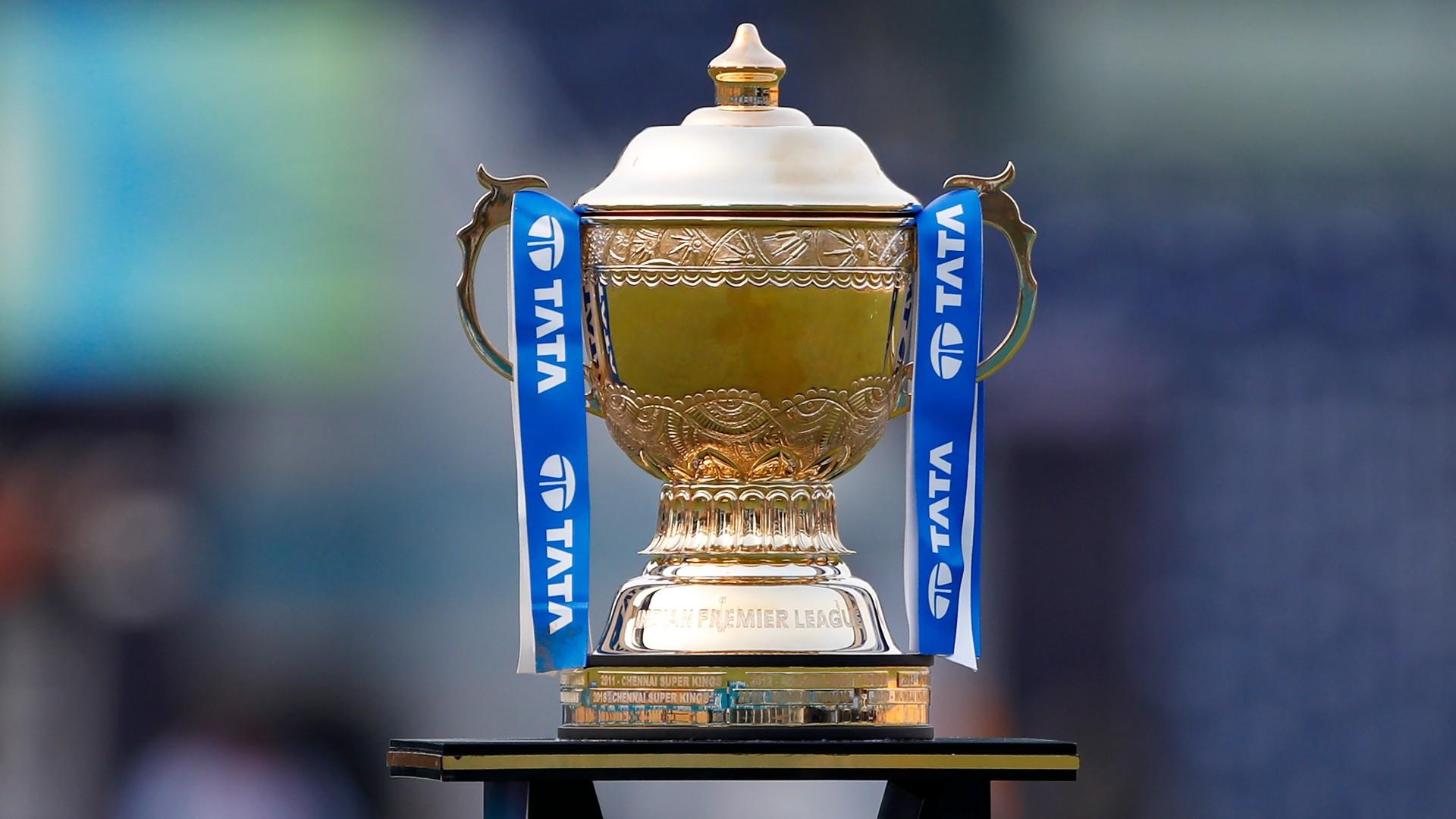
IPL: Price tags vs performance
In the Indian Premier League, value is decided in minutes but judged over days. The auction room crowns instant millionaires; the middle, however, is far less forgiving. Over a month into the 2026 season, the familiar dissonance between price and performance has once again come into sharp focus.
Consider the premium bracket. Mitchell Starc, among the costliest acquisitions this cycle, has struggled to justify his fee, conceding runs at an economy nudging nine per over in his opening matches, with wickets arriving too sporadically to tilt contests. Pat Cummins, another marquee signing, has endured a similarly uneven start.
In the batting ranks, Daryl Mitchell has oscillated be tween starts and stalls, his strike rate hovering in the mid-120s, hardly the tempo demanded of a high-priced engine in a format defined by acceleration. Then there is Rishabh Pant, whose valuation and profile make every innings a headline event.
A couple of fluent knocks have been offset by failures that have in vited disproportionate scrutiny, illustrating how reputation in the IPL is often measured ball by ball. Axar Patel, retained by Delhi Capitals for Rs 16.50 crore ahead of the IPL 2026 auction, has similarly found himself under the scanner.
Through 10 matches this season, Axar has picked up nine wickets and scored 33 runs – returns that appear mod est when weighed against the scale of the investment. The problem is not merely underperformance; it is misaligned expectations. A hefty price tag transforms a player into a weekly referendum.
Two quiet outings are no longer statistical noise but evidence of failure. The IPL’s brevity exacerbates this distortion: with only 14 league games, a poor three match stretch can skew averages, narratives and reputations alike. Yet the sharper critique lies with franchises. Auctions increasingly prioritise headline value over role clarity.
Teams chase pedigree – World Cup winners, Test captains and viral performers – often at the expense of balance. A finisher is bought to bat at No. 3; a new-ball specialist is held back for the death. When roles blur, returns inevitably diminish. Price, then, becomes a misleading proxy for utility. Meanwhile, the quieter story unfolds at the other end of the ledger.
Uncapped or modestly priced Indian players, picked for specific roles, continue to outstrip their expensive counterparts in impact per ball. A 25 off 10, a miserly spell on a sluggish pitch or a boundary saved on the rope often proves more decisive than star power. None of this is to deny the commercial logic.
The IPL is as much spectacle as sport; big buys drive engage ment and sustain the league’s magnetism. But if cricketing success is the objective, value must be redefined – not as the highest bid, but as the most coherent fit. For now, the league remains a theatre where money shouts and performance whispers – until the score board restores order

.jpg)
.jpg)
.jpg)
.jpg)
.jpg)