.jpg)


.jpg)

 English daily published in Bengaluru & Doha

What is legal & illegal under K'taka’s cattle slaughter law?
Bengaluru
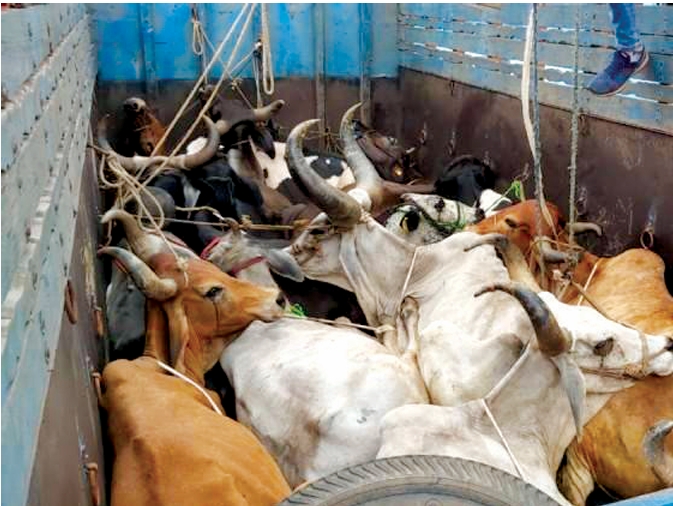
With Bakrid, or Eidal-Adha, around the corner, Muslims across Karnataka are preparing for the ritual sacrifice of animals such as sheep and buffaloes. However, the slaughter and transportation of bovines remain a contentious issue in the state due to the Karnataka Prevention of Slaughter and Preservation of Cattle Act, 2020.
The law, commonly referred to as the “cow slaughter law”, has also led to repeated incidents of harassment and vigilantism by self-styled cow protection groups targeting transporters and traders dealing with cattle and meat. Here is a closer look at what is legal and what is prohibited under the current law.
What does the law prohibit?
The Act prohibits the slaughter of “cattle”, which it defines as cows, calves, bulls, bullocks of all ages, and male or female buffaloes below the age of 13 years. Slaughtering such cattle is a punishable offence carrying a minimum jail term of three years and fines starting from Rs 50,000 per animal. Transporting cattle for the purpose of slaughter is also illegal and attracts criminal penalties.
Is beef sale illegal in Karnataka?
Despite the strict provisions of the law, the sale and consumption of beef are not illegal in Karnataka. This is how several beef sellers in Bengaluru and other cities continue to operate legally. Meat is sourced from states where slaughter is permitted under law, such as Kerala where there is no ban on cow slaughter and Goa, where buffalo slaughter is allowed.
The meat is then transported into Karnataka for sale. However, transporters frequently face attacks and intimidation from cow vigilante groups, making the trade risky and controversial. People familiar with the trade say such incidents usually increase during the Bakrid season, when demand rises and transporters face pressure to fulfil supply commitments while also ensuring their own safety.
When is buffalo slaughter legal?
Under Karnataka law, buffaloes above the age of 13 years can legally be slaughtered. Since buffaloes generally live between 15 and 25 years, animals permitted for slaughter are typically beyond their productive age for milk production and breeding. However, the law requires permission from a competent authority along with certification from a veterinary doctor confirming that the animal is over 13 years old before slaughter can take place legally
Impact on farmers and workers
The law has also drawn criticism for its economic and social impact. Investigations by The News Minute have reported that the restrictions have adversely affected farmers by making it difficult to sell ageing cattle that no longer have productive value, forcing them to continue maintaining the animals for years.
The report also noted that the law has hurt people involved in the leather trade and meat export industries, many of whom belong to Dalit and Muslim communities.Critics further point to the poor condition and underfunding of goshalas, state-supported shelters meant to house unproductive cattle arguing that the burden of caring for ageing animals has increasingly shifted onto farmers and shelter operators.




.jpg)
