.jpg)


.jpg)

 English daily published in Bengaluru & Doha

M'luru vigilant on dengue as migrant inflow rises
Mangaluru
Even as Dakshina Kannada has reported comparatively fewer dengue cases this year, the district health administration is maintaining strict vigilance, warning that the approaching monsoon season and in creased movement of migrant workers and returning travellers could trigger another spike in infections.
According to official data available till April 2026, the district has recorded only 13 confirmed dengue cases this year, compared to 22 cases during the same period in 2025 and a sharp 137 cases during the corresponding period in 2024. While the present numbers appear reassuring, health officials say the district cannot afford to lower its guard.
Dakshina Kannada has witnessed repeated dengue outbreaks over the past several years, particularly during and after monsoon months. The coastal climate, in termittent rainfall, urban construction activity and water stagnation contin ue to create ideal breed ing conditions for Aedes mosquitoes, the primary carriers of dengue.
District Surveillance Officer Dr Naveen said the Health Department has already intensified preventive measures across the district in anticipation of seasonal risks. “We are continuously monitoring fever cases and carrying out surveillance in vulnerable areas. Though the current numbers are low, dengue transmission can rise rapidly during monsoon if breeding sources are not controlled.
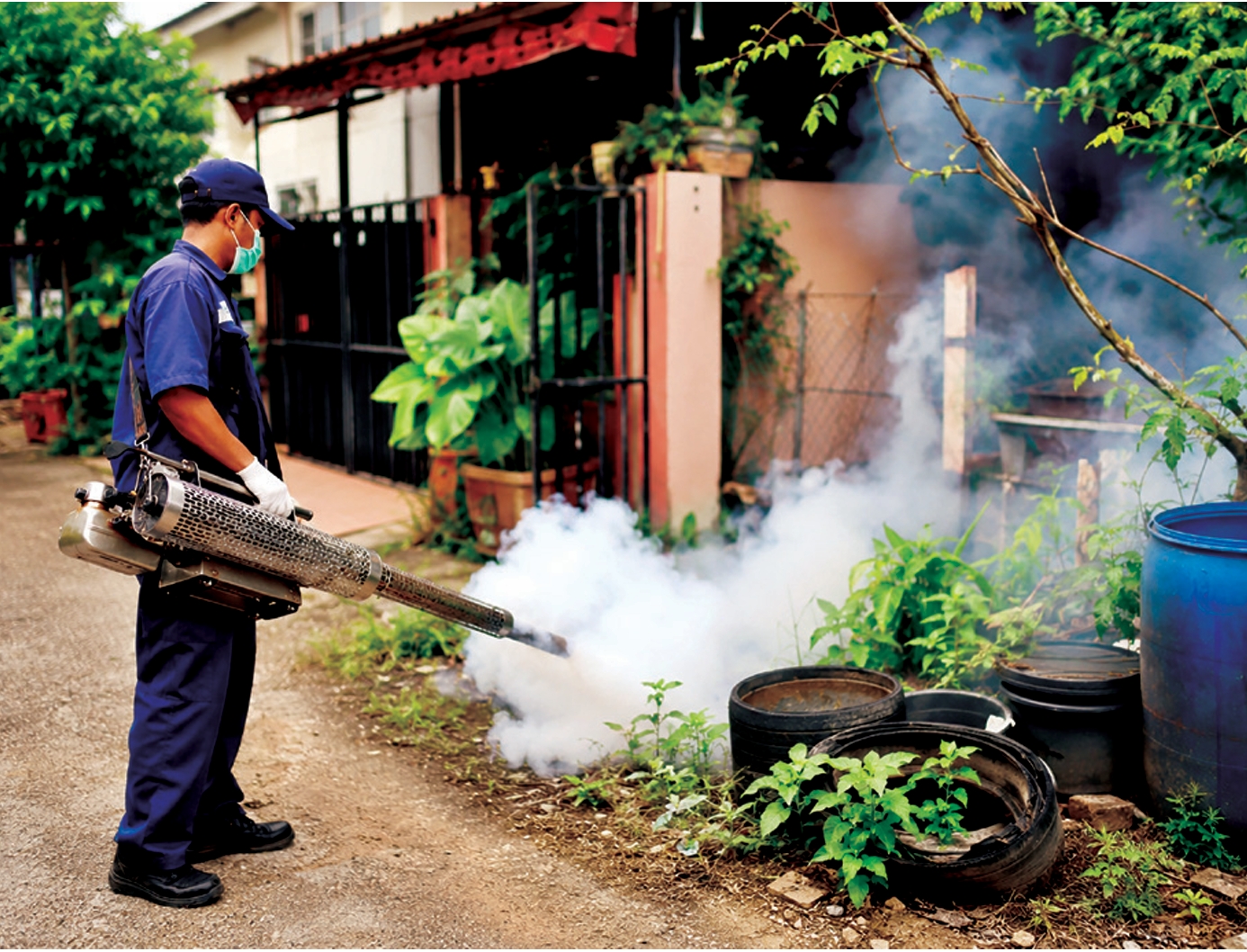
Our teams are conducting larval surveys, awareness drives and fogging operations wher ever necessary,” he said. He stressed that public cooperation remains the most important factor in preventing outbreaks. “People should under stand that dengue pre vention begins at home. Even small quantities of stagnant water in houses, terraces, flower pots, construction sites or commercial premises can be come breeding grounds for mosquitoes. Source reduction is the key,” Dr Naveen added.
Health experts also point out that dengue outbreaks often follow cyclical patterns, with a significant rise possible once every two years because mosquito eggs can survive for long periods even under dry conditions. Dr Naveen explained that Aedes mosquito eggs can remain active for nearly two years and hatch once they come into contact with water again.
“Many people think mosquitoes disappear once water dries up. But dengue mosquito eggs can survive on dry sur faces for long durations. When rainwater accu mulates again, the eggs hatch and the breeding cycle restarts. This is one reason we see periodic spikes in dengue cases,” he said. Officials say this scientific factor makes continuous preventive action essential throughout the year and not just during monsoon months.
The month-wise trend over the past five years reflects how unpredictable dengue transmis sion has been in Dakshina Kannada. In 2024, the district recorded a major surge beginning in May, with cases peaking at 144 in July. In 2023, the high est rise came later in September with another 144 confirmed cases, while 2022 witnessed consistent increases throughout the rainy season.
Health authorities are also closely monitoring the inflow of migrant labourers and people returning from neighbouring states and Gulf countries. Dakshina Kannada, being a commercial, educational and healthcare hub, witnesses continuous movement of people from outside the district, especially before monsoon and festive sea sons.
Officials say surveillance has been strengthened in labour colonies, densely populated urban areas and locations reporting repeated fever cases. Government and private hospitals have also been instructed to immediately report suspected dengue cases for early intervention. Medical experts warn that dengue can no longer be viewed as a purely seasonal disease.
Climate variations, rapid urban isation and inadequate waste management are allowing mosquitoes to breed throughout the year. Discarded plastic waste, unused tyres, blocked drains and poorly main tained water storage systems continue to re main major concerns. Construction sites too have emerged as hidden breeding hotspots due to stagnant rainwater col lecting in open containers and unfinished structures.
Public health activists believe recurring out breaks indicate larger civic and infrastructural shortcomings. They say dengue control cannot depend only on emergency fogging drives after cases rise, but requires long-term urban planning, proper drainage systems and consistent community participation.
Civic bodies across the district have now been directed to intensify cleanliness campaigns, clear clogged drains and monitor vulnerable areas regularly. Awareness programmes are also be ing conducted in schools, colleges and residential communities ahead of the rainy season. Officials have appealed to the public not to ignore symptoms such as high fever, severe body pain, headache, vomiting and skin rashes.
Early diagnosis and timely treatment, they say, can significantly reduce complications. The comparatively low numbers this year may offer temporary relief, but authorities insist the real challenge begins with the onset of heavy rains. With memories of previous dengue surges still fresh, Dakshina Kannada enters another monsoon season balancing cautious op timism with heightened preparedness.
Health officials warn that unless citizens ac tively participate in elimi nating mosquito breed ing sources, even a small number of cases today could quickly develop into a larger public health con cern tomorrow.

.jpg)

.jpg)

