.jpg)


.jpg)

 English daily published in Bengaluru & Doha

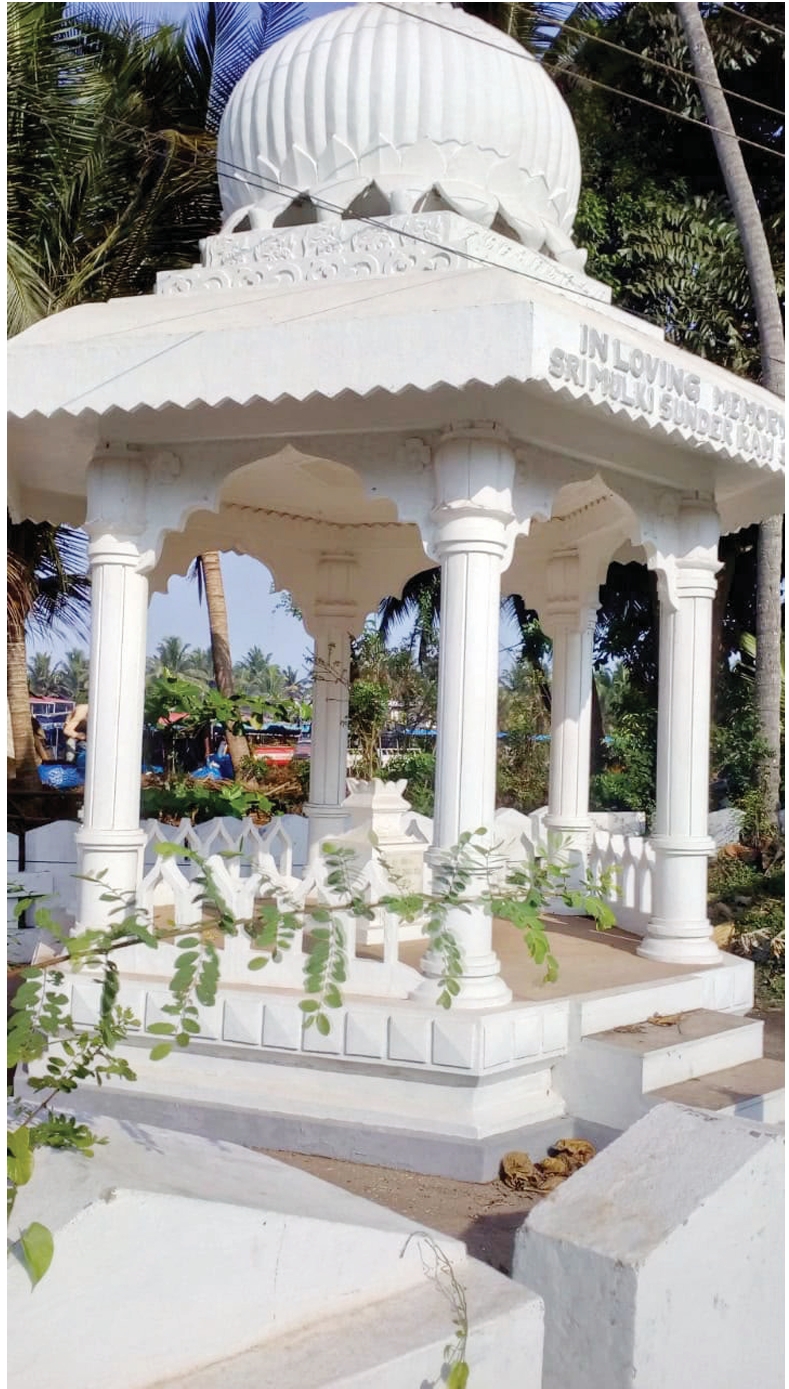
Citizens seek new Memorial for banking visionary
Mangaluru
The demolition of the memorial dedicated to banking pioneer Mulki Sundar am Shetty has stirred emotions across coastal Karnataka, raising larger questions about how society chooses to remember those who helped shape its progress. The structure near Bappanadu may have been a modest memorial, but for many it rep resented something far greater.
It stood as a reminder of a man whose vision transformed lives, created opportunities and gave the region one of its most re spected institutions. Its removal as part of National Highway expansion works has there fore been viewed by many not merely as the loss of a structure, but as the loss of a symbol. Development is essential.
Better roads, safer highways and improved connectivity are necessary for economic growth. Few would argue otherwise. Yet development also demands sensitivity, especially when it intersects with history, public memory and the contributions of individuals who have left a lasting mark on society. Mulki Sundaram Shetty occupies a unique place in the history of coastal Karnataka.
Through the establishment and growth of Vijaya Bank, he helped create opportunities for thousands of families. The bank became a gateway to employment for generations of young people from the region and played a significant role in making banking services accessible to ordinary citizens.
Long before educational loans became commonplace, countless students benefited from the support extended by the institution he helped build. For many residents, the disappearance of the memorial has reopened old wounds asso ciated with the merger of Vijaya Bank. The institution was more than a bank; it was a source of regional pride and an example of what local vision and entrepreneurship could achieve.
The memorial served as a physical link to that legacy. Social activist Dinesh Ulepady has been among those voicing concern over the manner in which the demolition was car ried out. "It is deeply disheartening to see the memorial of Mulki Sun daram Shetty demolished with out any prior notice," he said.
According to Ulepady, officials had previously approached a relative of Sundaram Shetty regarding compensation con nected to the land. The family member reportedly declined the compensation and sug gested that the amount instead be used for social welfare activ ities in his name. He alleges that no meaningful follow-up took place before the structure was ultimately demolished.
Ulepady believes the issue is not about opposing development but about re specting legacy. "Instead of following up, au thorities simply ar rived with a JCB and flattened the structure without informing the family or the locals," he said. His comments reflect a concern shared by many citizens who feel that consultation and communication could have prevented the present contro versy.
The larger question now is not whether the memorial could be saved. That chapter appears closed. The question is whether an opportunity exists to correct the situation in a meaningful way. Ulepady has called upon the govern ment and the National Highways Authority of India to allocate land in Mulki for a new memorial worthy of Sundaram Shetty's contribution.
Such a step would not merely replace a demolished structure. It would acknowledge the importance of preserving the stories of those whose work changed society. Every region needs its land marks of memory. Not all of them are grand monuments. Some are simple reminders of values, sacrifice, vision and service.
As cities expand and highways widen, preserving those memories becomes even more important. values, sacrifice, vision and service. As cities expand and highways widen, preserving those memories becomes even more important.

.jpg)

.jpg)

