.jpg)


.jpg)

 English daily published in Bengaluru & Doha

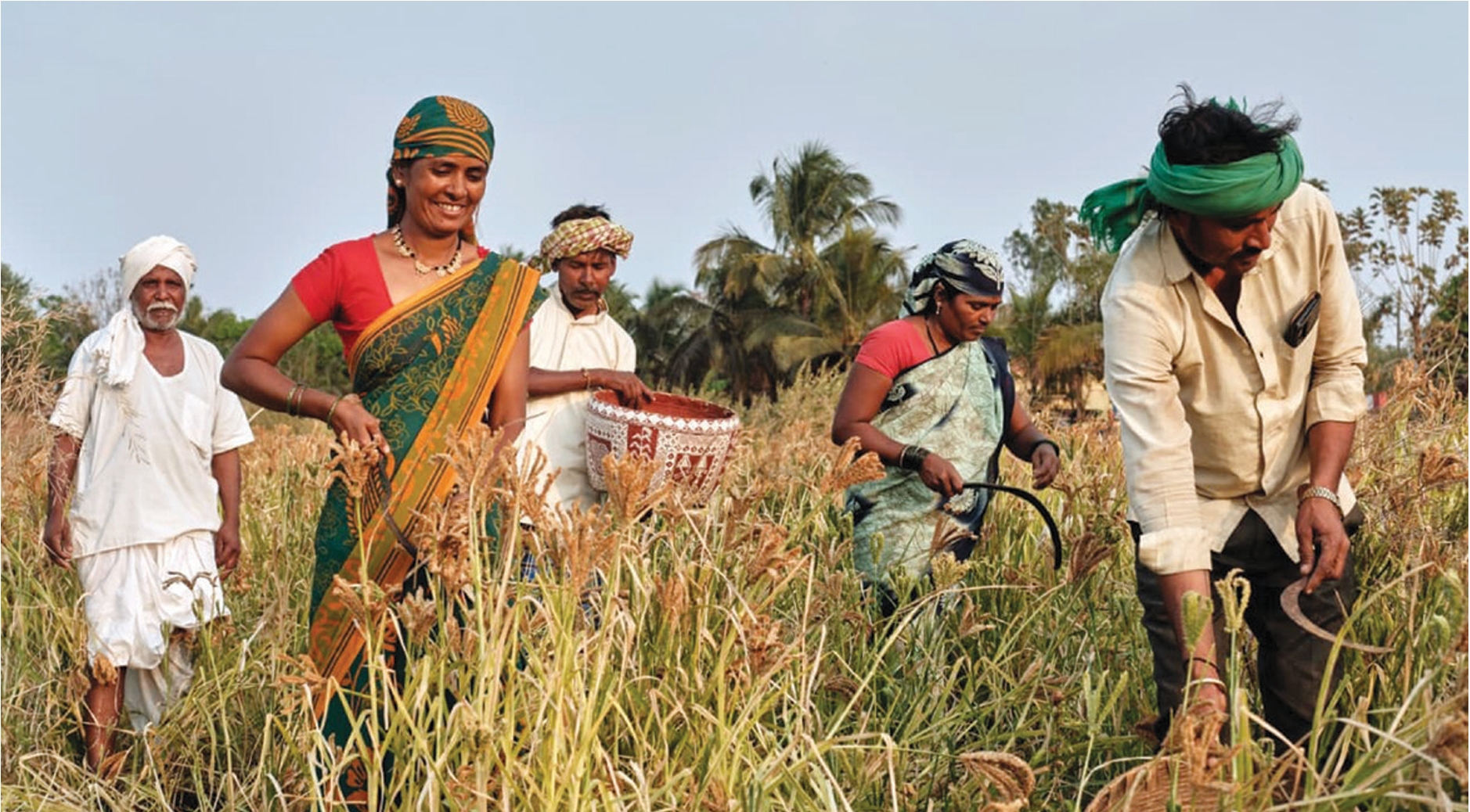
How Bibi Fatima SHG transforms rural farming
Hubball
What began as a modest effort by 14 women saving just Rs 100 a month in a remote village has blossomed into a sweeping agricultural movement reaching 5,000 farmers, earning global recognition from the United Nations. The Bibi Fatima Mahila Swa-Sahaya Sangha (Self-Help Group), founded in 2019 in Tirtha village of Kundgol taluk, is at the forefront of conserving indigenous seeds and promoting organic millet cultivation in the region.
Spearheaded by Founder-President Bibi Jan Moula Saheb Halemani, the group has successfully transitioned thousands of farmers from chemical-heavy mono-cropping back to sustainable, mixed-crop organic farming. The journey began when the Bengaluru-based NGO 'Sahaja Sam rudha' approached the village to promote organic farming and millet cultivation.
Despite initial resistance and skepticism from local farmers, the SHG members persistently ad vocated for traditional agricultural practices. Today, the group operates across 22 villages in Kundgol and Shiggaon taluks. They have established a ro bust 'Seed Bank' that conserves 350 varieties of indigenous seeds across 50 crops, including 74 varieties of ragi, 30 of little millet (saame), 19 of pearl millet (sajje), and 10 of foxtail millet (navane).
They provide free seeds to farmers under the con dition that they return double the quantity after the harvest, ensuring a continuous and sustain able supply chain. Speaking to News Trail, Bibi Jan said, "Our primary inten tion is not just busi ness. Our goal is the conservation of our soil, the pro tection of the envi ronment, and safe guarding the health of our people."
To ensure farmers get fair prices and consumers gain access to healthy food, the SHG has ven tured heavily into value addition. They process over 30 different millet-based products, including five types of rotis and nine types of vermicelli (shavige). The group established the 'Devad hanya' Farmer Producer Company (FPC) to manage marketing, distributing indigenous products like organic dal, jaggery, tamarind, and cold pressed oils to cities including Chennai, Hyderabad, Bengaluru, and Rajasthan.
Their processing infrastructure includes a millet processing unit in Tirtha, a dal pro cessing unit in Mettigatti, and an upcoming rice mill aimed at reviving native paddy varieties like Siddasanna and Rajamudi in the region. Furthermore, the women travel monthly to Mysuru and Bengaluru to set up live food stalls at millet fairs.
Capitalizing on the high demand for authentic North Karnataka cuisine, these trips generate a business of Rs 2 to Rs 2.5 lakh monthly. Strategic financial backing has played a crucial role in their expansion. With initial solar infrastructure support worth Rs 8.85 lakh from the Selco Foundation, the group also secured progressive loans from the Karnataka Vikas Grameena Bank, now Karnataka Grameena Bank.
Starting with a modest Rs 1 lakh loan, the SHG now manages annual transactions worth Rs 14 to Rs15 lakh. Their grassroots impact has drawn international attention. In August 2023, the Bibi Fatima SHG was hon ored with the prestigious UN Equator Initiative Award, this is considered as the "Nobel Prize for Biodiversity Conservation”.
This sits alongside numer ous other accolades, including the Change Maker Award and a State level recognition from the Spoorthid hama institution. The members said that they are planning to expand the membership along with core team of 14 members. The SHG members were not only trained professionally in marketing, they have gained deep knowledge in conservation of indigenous seeds, and they have started a seed bank also. Sources at Karnataka Grameena Bank said that they supported this SHG, provided initial financial suport, and continue to support its flourishing.

.jpg)
.jpg)