.jpg)


.jpg)

 English daily published in Bengaluru & Doha

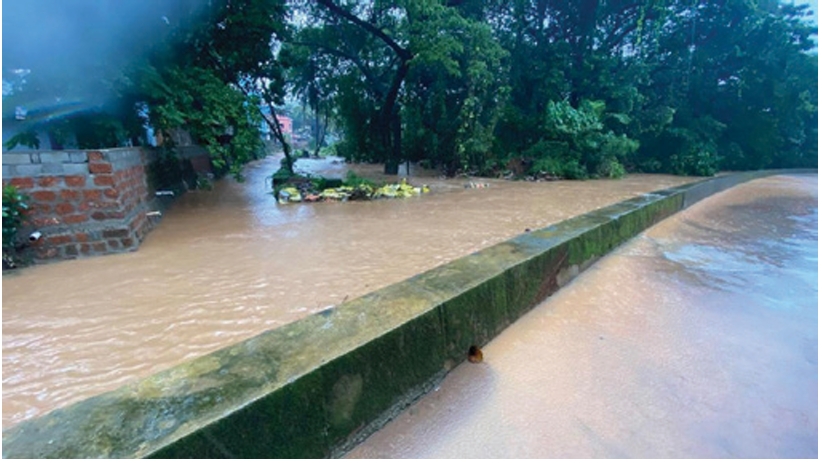
Monsoon rains expose Mangaluru’s flooding woes yet again
Mangaluru,
The monsoon season has arrived, but along with the much-needed rains has come a familiar problem that Mangaluru residents know all too well, flooded roads, over flowing drains, traffic snarls and waterlogged neighbourhoods. Over the past few days, heavy rainfall has affected several parts of the city, with low-lying areas witnessing flooding and commuters struggling to navigate inundated roads. The scenes were strikingly similar to those seen during previous monsoons, raising questions about the effectiveness of annual flood-prevention measures.
What makes the situation more concerning is that the flooding has occurred despite extensive pre-monsoon preparations undertaken by civic authorities. Drains were cleaned, canals desilted and vulnerable locations identified well before the onset of the rainy season. Yet, the first spell of intense rain has once again exposed the city's weak spots. While heavy rainfall is undoubtedly a factor, many residents believe the issue goes beyond the intensity of the monsoon.
Mangaluru has witnessed rapid urban growth over the last decade. Open spaces that once absorbed rainwater have steadily given way to apartment complexes, commercial buildings and concrete surfaces. As a result, rainwater that would naturally seep into the ground now flows rapidly into stormwater drains, putting immense pressure on an already strained drainage network. Particular attention is now being drawn to the increasing number of large apartment complexes across the city.
During heavy rains, vast quantities of runoff from apartment campuses, paved parking areas and internal roads are discharged into public stormwater drains. Residents and experts argue that many of these drains were never designed to handle such volumes. "Every year we hear about monsoon preparedness, but the same areas continue to flood. The city needs to assess whether its drainage infrastructure matches the pace of urban development," said Naveen, a resident of a flood-prone locality.
Urban planning experts believe that rainwater management must become an integral part of every major development project. Apartment complexes and large residential projects should be encouraged to adopt effective rainwater harvesting systems, recharge pits and on-site water retention measures so that not all rainwater is immediately channelled into public drains during peak rainfall. Environmentalists also point to the gradual loss of natural drainage channels and water-retention areas that once acted as buffers during heavy rain.
As the city expands, these natural pathways have narrowed or disappeared, leaving stormwater with fewer routes to escape. "The solution is not just bigger drains. We need better rainwater management, protection of natural waterways and stricter planning norms for future developments," observed an environmental activist. Recognising the possibility of heavy monsoon-related emergencies, district authorities have already strengthened disaster preparedness.
A 30-member National Disaster Response Force (NDRF) team has been stationed at Puttur to respond to floods, landslides, building collapses and other emergencies across Dakshina Kannada during the monsoon season. The deployment is a welcome precaution, but residents say emergency response should not become a substitute for long-term planning. The recurring flooding highlights a larger issue facing Mangaluru, the gap between urban growth and infrastructure development. Cleaning drains before the monsoon is necessary, but it cannot be the only answer.
The city needs a comprehensive review of its drainage capacity, better enforcement of rainwater management norms and sustained investment in flood mitigation infrastructure. As the monsoon gathers strength in the weeks ahead, the latest flooding should serve as a wake-up call. For residents who once again found themselves wading through water logged streets, the expectation is not another round of explanations after the rain subsides, but lasting solutions that ensure the same story is not repeated every year. The rains may be inevitable. Flooding, many believe, should not be.
.jpg)

.jpg)