.jpg)


.jpg)

 English daily published in Bengaluru & Doha

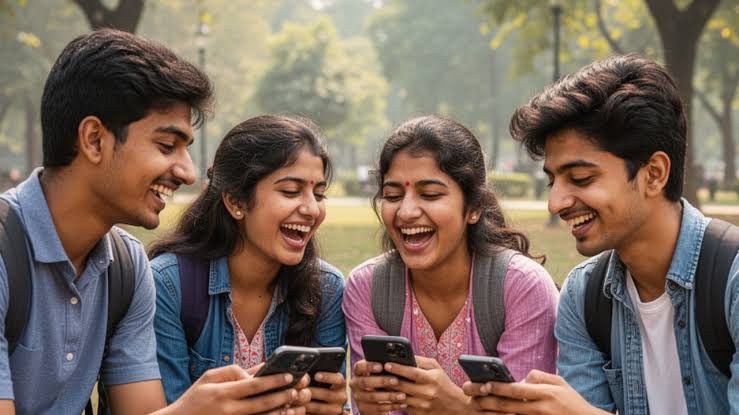
Social media pressure weighs on Bengaluru youth
Bengaluru
The pressure to appear perfect on social media is taking an in creasing toll on the mental health of young people, with psychologists and content creators warning that constant comparison, the pursuit of online validation and unrealistic beauty standards are fuelling anxiety, low self-esteem and body image issues. Platforms such as Instagram, Facebook, Snapchat and TikTok have become tools has intensified appearance-related anxiety, with many users becoming more comfortable with their edited images than their real selves, affecting confidence and self-worth.
Merrin, a Bengaluru based college student and micro-influencer with more an integral part of every day life, especially among young users. While they offer opportunities for self expression and creativity, experts say carefully curated images portraying beauty, luxury and success often create unrealistic expectations, encouraging users to compare themselves with influencers and content creators.
A 20-year-old biotechnology student from Bengaluru, Ankita, said the pressure is difficult to ignore. "Sometimes I know the photos are edited, but I still compare myself with them. It makes me feel like I need to look better or do more to fit in," she said. Mental health experts say the widespread use of beauty filters and editing than 16,000 Instagram followers, said maintaining an attractive online presence comes with emotional strain. "People only see the final post, but they don't see the effort, self-doubt and pressure behind it.
There are days when I spend hours editing content because I worry about how people will react," she said. Bengaluru content creator Akshatha Gowda, who has over 22,000 Instagram followers, echoed similar concerns. "Even one harsh comment can stay in your mind for days. Sometimes you start questioning yourself and comparing your life to others online. It can be come mentally exhausting," she said. Experts say another growing concern is the culture of seeking validation through likes, comments, shares and follower counts.
Psychologists describe this as "validation culture", where self-worth becomes increasingly dependent on online approval. "When a post doesn't perform well, it's easy to feel disappointed. But over time I've learnt that numbers don't define who I am. Social media should be a tool for expression, not a measure of self-worth," Akshatha added. Vedanti Godbole, a Belagavi-based psychologist, said healthy social media habits are essential.
"Social media becomes harmful when people begin measuring their self-worth through likes, followers and comparisons. Building self-acceptance and maintaining a balance between online and offline life is essential for good mental health," she said. The concern is reflected in global studies. The World Health Organization estimates that one in seven adolescents worldwide experiences a mental health disorder. A U.S. Surgeon General's Advisory found that nearly 95 percent of teenagers aged 13-17 use social media, with more than one-third reporting that they are online almost constantly.
Recent studies also found that 46 percent of adolescents believe social media negatively affects their body image, 31 per cent feel pressure to create content that attracts greater engagement, and 27 percent say social media makes them feel worse about their lives. Merrin believes young people should remember that social media rarely reflects reality. "Most people share only their best moments on line, not their struggles. It's important not to compare your everyday life with someone else's highlight reel.
Taking breaks and focusing on real-life relationships can make a huge difference," she said. Mental health professionals recommend limiting screen time, taking regular digital breaks, following positive and realistic content, strengthening offline relationships and improving media literacy so young users understand that much of what they see online is filtered, edited and carefully curated. As social media continues to shape everyday life, experts say recognising the gap between online appearances and reality is key to building healthier digital habits and protect ing mental well-being.
.jpg)




.jpg)