.jpg)


.jpg)

 English daily published in Bengaluru & Doha

Loss is forgivable; staying there is not
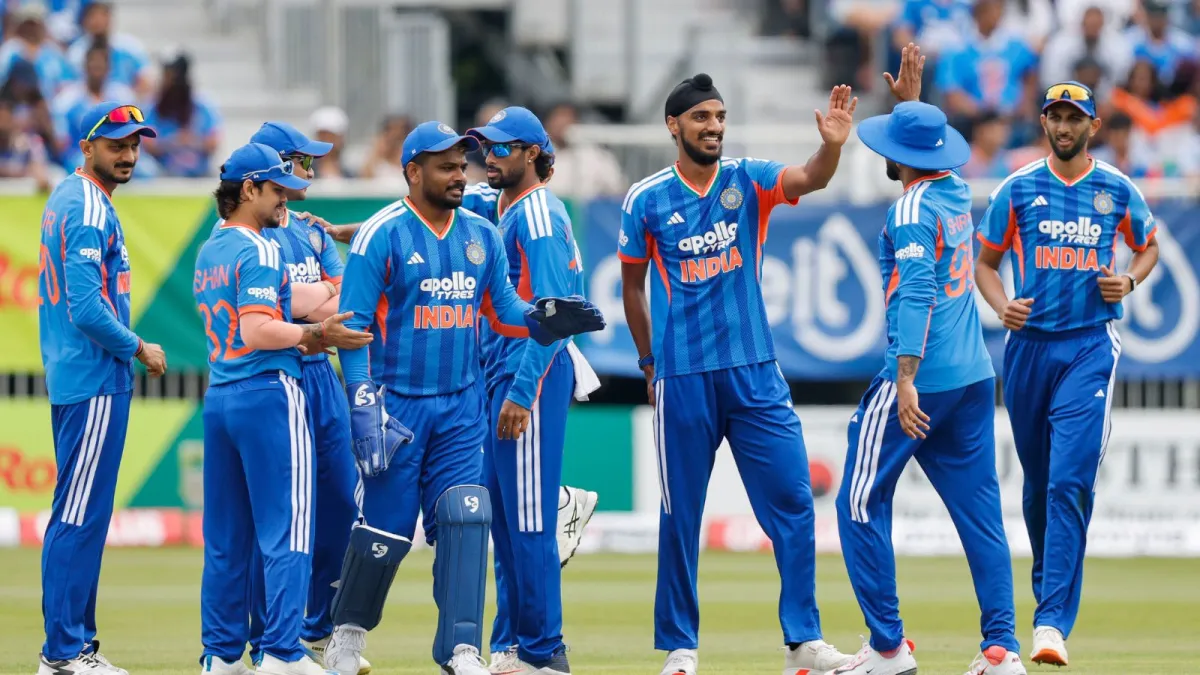
Two weeks ago, Ireland produced what many dismissed as a freak result, defeating India in a T20I series that was expected to be little more than a routine assignment for the world champions. Today, as England have raced to a 2-0 lead in the ensuing five match series, with one match abandoned by rain, that comforting explanation no longer holds. Ireland did not spring an isolated surprise. They exposed flaws that England are now exploiting with far greater authority.
What should concern Indian cricket is not that England are winning. We are among the world’s strongest white-ball sides and fully capable of beating anyone on their day. The real concern is that India have shown remarkably little evidence of learning from the humiliation they suffered only a fortnight ago. England have not reinvented T20 cricket. They have simply trusted the blueprint Ireland provided. Bowl disciplined lines, vary the pace, deny easy boundaries, squeeze the middle overs and allow scoreboard pressure to induce mistakes.
Time and again, India have obliged with poor shot selection, muddled game awareness and an inability to wrest back momentum. The batting has oscillated between blind aggression and hesitant accumulation, rarely finding the balance modern T20 cricket demands. The bowling has lacked both penetration and flexibility when partnerships have developed. More troubling still has been India’s tactical rigidity. When plans have unravelled, there has been little sign of the adaptability that separates good teams from great ones.
For years, India have celebrated the depth of their talent pool. Yet depth is not measured by the number of players available for selection, but by how seamlessly they step into international cricket and perform. Producing out standing IPL cricketers is one achievement; producing players capable of adapting to unfamiliar conditions, different opponents, and sustained pressure is another altogether. That is where Indian cricket must introspect. The domestic pathway cannot merely reward power hitting and predetermined roles.
It must continue to nurture versatility, situational awareness and the temperament to construct innings or defend modest totals when conditions demand. Selection, too, must place a greater premium on adaptability than reputation. There is still time to rescue this series. Winning the remaining matches would restore some pride, certainly square the contest. But a comeback should not become an excuse to overlook the deeper issues that have surfaced over the past fortnight.
Great sporting nations are defined not by their ability to avoid defeat, but by their willingness to confront uncomfortable truths before those defeats become habits. Ireland sounded the alarm. England are proving it was no false alarm. Indian cricket has always possessed abundant talent. What it needs now is the humility to acknowledge its shortcomings, the courage to address them, and the urgency to ensure that this bruising fortnight becomes a turning point rather than the beginning of an unsettling trend.

.jpg)
.jpg)
.jpg)
.jpg)
.jpg)