.jpg)


.jpg)

 English daily published in Bengaluru & Doha


Hubballi-Dharwad makes four-way waste segregation mandatory
Hubballi
The Hubballi-Dharwad Municipal Corporation (HDMC) has made four-way segregation of solid waste at source mandatory across its jurisdiction, directing residents, commercial establishments, educational institutions, apartments, industries, hotels, restaurants and bulk waste generators to comply with the provisions of the Solid Waste Management (SWM) Rules, 2026. The civic body said every waste generator must separate waste into four categories before handing it over to authorised waste collectors or municipal sanitation workers.
The categories include wet waste (food and biodegradable waste), dry waste (plastic, paper, metal, glass and other recyclables), sanitary waste (sanitary napkins, diapers, condoms and tampons), and special care waste, which includes batteries, e-waste, expired medicines, paint containers, CFL bulbs and other non-biodegradable or hazardous household waste. Officials have warned that mixing different categories of waste is strictly prohibited and that violations will invite penalties and legal action under the SWM Rules, 2026, and relevant municipal bye-laws.
The corporation has also directed all Bulk Waste Generators (BWGs) to register with the HDMC and adopt scientific waste processing and disposal systems. Establishments will be classified as BWGs if they have a built-up area of more than 20,000 square metres, consume over 40 kilolitres of water per day, or generate more than 100 kg of solid waste daily. The order covers apartment complexes, residential communities, hotels, restaurants, marriage halls, educational institutions, hospitals, commercial complexes, markets, industries and offices that meet the prescribed criteria.
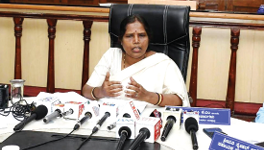
HDMC Commissioner Dr Rudresh Ghali said the move is aimed at improving waste collection efficiency, increasing recycling, reducing the burden on landfills and promoting environmentally sustainable waste management practices. It appealed to citizens and institutions to cooperate in implementing source segregation to help keep the twin cities clean and protect the environment.
The twin cities generate around 400 tonnes of waste every day, the HDMC is all set to convert dry waste into terrified charcoal, the National Thermal Power Corporation (NTPC) through its subsidiary Vidyut Vyapar Nigam Ltd (NVVN), a Rs 157 crore processing plant is nearing full operational capacity and is scheduled for a complete launch by January 2027. Similarly, the HDMC to address the wet waste problem is all set to establish biogas plant with support from Bharat Petroleum Corporation Limited (BPCL), the oil agency is preparing to establish a biogas plant on the outskirts of Hubballi with the capacity to produce five tonnes of biogas per day from wet waste.
.jpg)
.jpg)