.jpg)


.jpg)

 English daily published in Bengaluru & Doha

Wind energy changing lives of rural communities in Karnataka
Hubballi
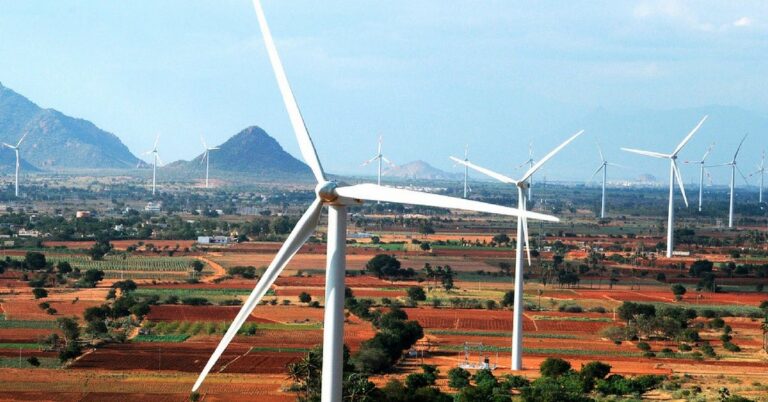
Wind energy is doing more than producing clean electricity in Karnataka. It is helping improve the lives of people in rural areas by creating jobs, providing farmers with a steady income and supporting the development of village infrastructure. Districts such as Belagavi, Chikkamagaluru, Dharwad, Tumakuru and Chitradurga are among those benefiting from the growth of wind power projects. Farmers who lease their land for wind turbines continue to own and cultivate their land while earning an annual lease income of Rs 15,000 to Rs 25,000 per acre.
Karnataka has the right mix of strong wind corridors, industrial capability and policy momentum to remain at the forefront of India’s renewable energy expansion. “The next step is not just adding capacity, but building the grid and storage backbone needed to use that power efficiently.”
— Dayanand Magajikondi, Managing Committee member of KCCI, electric and electronic committee chairman
This extra income helps them reduce their dependence on seasonal farming, repay loans and invest in better farming equipment, irrigation facilities and quality seeds. Some wind energy companies also help farmers by supporting irrigation and cold storage facilities, which can reduce post-harvest losses. Wind projects are also creating employment for local people. Hundreds of skilled and unskilled workers are hired during the construction of wind farms.
Once the projects become operational, permanent jobs are available for turbine technicians, electrical engineers, and security staff and logistics personnel. Many companies also provide training programmes that help local youth develop skills needed for careers in the renewable energy sector. Some projects are also encouraging the employment of women in administrative and community support roles. Many wind energy companies are contributing to the development of villages through community programmes. They help build roads, improve schools, upgrade health centres, provide scholarships, construct borewells and irrigation tanks, and improve access to clean drinking water.
Wind additions show that Karnataka is no longer just a potential leader; it is already setting the pace for the country, if transmission, land readiness and long-term policy stability continue to improve, Karnataka can become a model for large-scale wind development in India.”
— Ravi Singh, Former executive director, Power Grid Corporation of India
In some villages, companies have also set up community Wi-Fi facilities and digital learning centres. Wind energy also benefits the environment. It produces electricity without causing air pollution and reduces the need for diesel generators. Since wind farms require very little water, they help conserve water for farming and other essential uses. Farmers can continue growing crops around the wind turbines, allowing agriculture and renewable energy to exist together.
Experts say the benefits of wind energy can be increased by giving priority to local employment, ensuring fair and transparent land lease agreements, supporting small rural businesses and investing a share of project income in village development. As Karnataka continues to expand its wind energy capacity, the sector is becoming an important source of rural development. Along with producing clean energy, it is helping improve incomes, create jobs and strengthen villages across the state.

.jpg)

.jpg)

