.jpg)


.jpg)

 English daily published in Bengaluru & Doha

Beyond leaks: India's edu still fails Dalit students
Bengaluru
Former Union Education Minister Dharmendra Pradhan's resignation may have answered immediate demands for accountability after the NEET paper leak. It did not end the far older crisis haunting Indian education. As students celebrated a rare moment of accountability, another campaign "Reservation Hatao Andolan" attracted more than five million supporters within days, exposing how quickly public outrage can shift from institutional failure to attacking constitutional safeguards.
The paper leak may have dominated head lines, but caste continues to determine who enters classrooms, who survives campuses and who succeeds in India's education system. According to a report by The Wire, between 2019 and 2024, the University Grants Commission sion (UGC) received 1,160 complaints of caste discrimination from Dalit students across 704 universities and 1,553 colleges. Complaints rose by 118.4 per cent, from 173 in 2019-20 to 378 in 2023-24.
According to a 2023 Rajya Sabha reply by then Minister of State for Education Dr Subhas Sarkar, between 2018 and 2021, more than 98 Dalit, Bahujan and Adivasi students died by suicide in IITs, NITs, Central Universities and IIMs.
Caste in the classroom: "As students celebrated, I saw posts claiming that real change would come only with the abolition of reservations," says a Dalit undergraduate psychology student in Bengaluru. "People mistake reservations for the cause of caste rather than its consequence. This victory matters, but what follows matters more." Two Dalit commerce students from another pri vate college in Bengaluru say casteism has become AI subtler, not weaker. "They rarely use slurs," one says.
"Instead, they patronise you in ways that make it clear they expected less of you." They add that discussions on reservations routinely become opportunities to question Dalit students' merit and legitimacy on campus.
Why reservation matters: Social activist Brinda Adige says such everyday prejudice proves that economic mobility has not erased caste discrimination. She rejects the portrayal of reservations as charity rather than constitutional justice. "People are shocked when a Dalit speaks good English," she says, arguing that such reactions expose the deep-seated assumptions about who is expected to occupy spaces of privilege. With NEET coaching of ten costing several lakh rupees a year, many families mortgage land or take loans. "How many Dalit families still have land left to mortgage?" she asks. B.L. Muralidhar, a professor at Bangalore University, argues that centralised entrance examinations disproportionately disadvantage rural, SC, ST and OBC students.
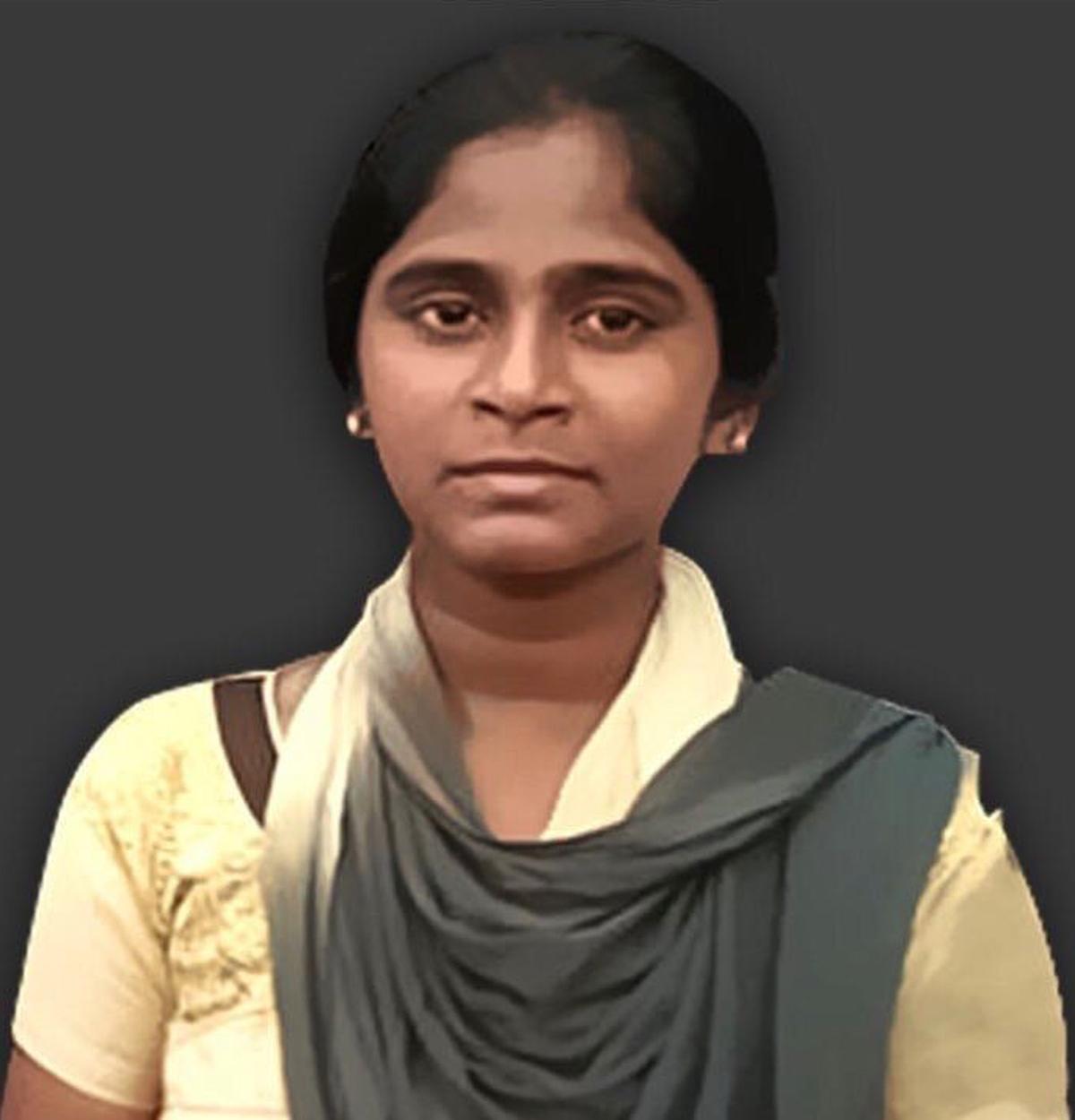
"If you don't even allow students to compete on an equal footing, how do you expect representation?" he asks, calling for greater public investment in government schools and universities. Ruth Manorama, Chairperson of the National Federation of Dalit Women, says, "By placing students from vastly unequal educational backgrounds at the same starting line, NEET legitimises inequalities." Recalling the 2017 death of Tamil Nadu's Dalit student S. Anitha, who died by suicide after being denied a medical seat despite excelling in her board examinations, Manorama says NEET has become a source of fear rather than opportunity.
She says the institutional discrimination faced by Rohith Vemula continues to resonate across campuses, where many Dalit students still endure humiliation, de layed scholarships and discrimination. Reservations, she argues, re main a constitutional necessity until structural inequalities are dismantled. Dalit Sang harsha Samiti leader N. Venkatesh argues that reforms cannot end with changes to examinations or the resignation of a minister. Calling for a nationwide anti-caste movement, he says the caste hierarchy rooted in Brahminism and re produced through social institutions and an in creasingly pro-Hindutva environment—continues to burden Bahujan students with humiliation, anxiety and isolation.
Dharmendra Pradhan's resignation may have delivered political accountability. But accountability without structural change is little more than symbolism. As long as caste continues to shape who studies, who survives and who succeeds, India's education system will continue to fail the very students it claims to up lift. The paper leak was an outrage. The persistence of caste inequality is a far deeper national failure.
.jpg)




.jpg)