.jpg)


.jpg)

 English daily published in Bengaluru & Doha

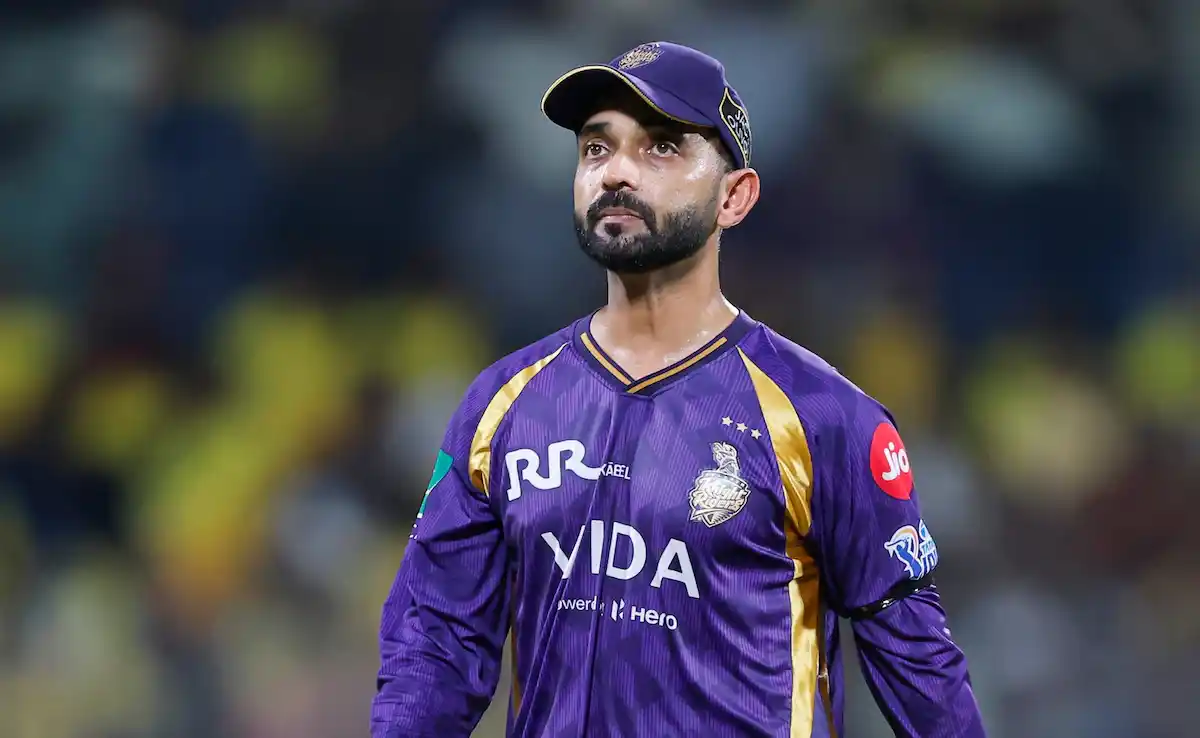
The forgotten art of being Ajinkya Rahane
In an era when cricket increasingly rewards the loudest voice, the grandest celebration and the most marketable personality, Ajinkya Rahane has re- mained a refreshing reminder that greatness does not always seek attention. His retirement from international cricket closes the chapter on a player who, for much of his career, allowed his bat to do the talking and his character to fill the silence. The statistics tell only part of the story. In 85 Tests, Rahane scored 5,077 runs at an average of 38.75, in cluding 12 centuries and 26 half-centuries.
Seven of those hundreds came overseas, underlining a truth of ten overlooked in discussions about his career: he was among India's finest travelling batsmen of his generation. From Lord's to Melbourne, Wellington to Colombo, Rahane repeatedly demonstrated that difficult conditions brought out the best in him. Yet numbers alone cannot explain why so many teammates held him in such high regard. Virat Kohli has described Rahane as his favourite batting partner in Test cricket.
It is not merely be cause they shared numerous century stands, but because batting with Rahane de manded little conversation. There was an instinctive understanding between the two. While Kohli's intensity often dominated television screens, Rahane's calm presence at the other end provided the balance that every great partnership requires. Cricket, after all, is as much about complementing another personality as it is about showcasing one's own. Perhaps that was Rahane's greatest gift.
He rarely sought to become the centre of the story, yet somehow improved almost every one he was part of. Even his leadership reflected that temperament. He never believed captaincy required theatrics. His field placements were thoughtful rather than adventurous for the sake of appearances, his decisions measured rather than impulsive. Players frequently spoke of the freedom they felt under him, a quality that rarely finds its way into scorecards but often shapes dressing rooms.
Modern sport tends to mistake visibility for value. Social media followers, endorsement deals and viral moments frequently overshadow quieter contributions. Rahane belonged to an older tradition where profes sionalism meant arriving prepared, respecting the con test and leaving without demanding applause. He was never cricket's loudest ambassador; he certainly was one of the most dignified players in the gentleman’s game. It is tempting to remember him only for the famous victories he helped script.
That would be doing him a disservice. His true legacy lies in proving that humility is not weakness, that composure can coexist with com petitiveness, and that influence is not always measured in decibels. Indian cricket will continue to produce stroke-makers capable of dazzling crowds. Producing another Ajinkya Rahane, however, may prove considerably more dif ficult. For players like him are not simply coached into existence; they are shaped by values that, in today's game, are becoming increasingly rare.

.jpg)
.jpg)
.jpg)
.jpg)
.jpg)