.jpg)


.jpg)

 English daily published in Bengaluru & Doha

Experts welcome BTP's carpooling proposal
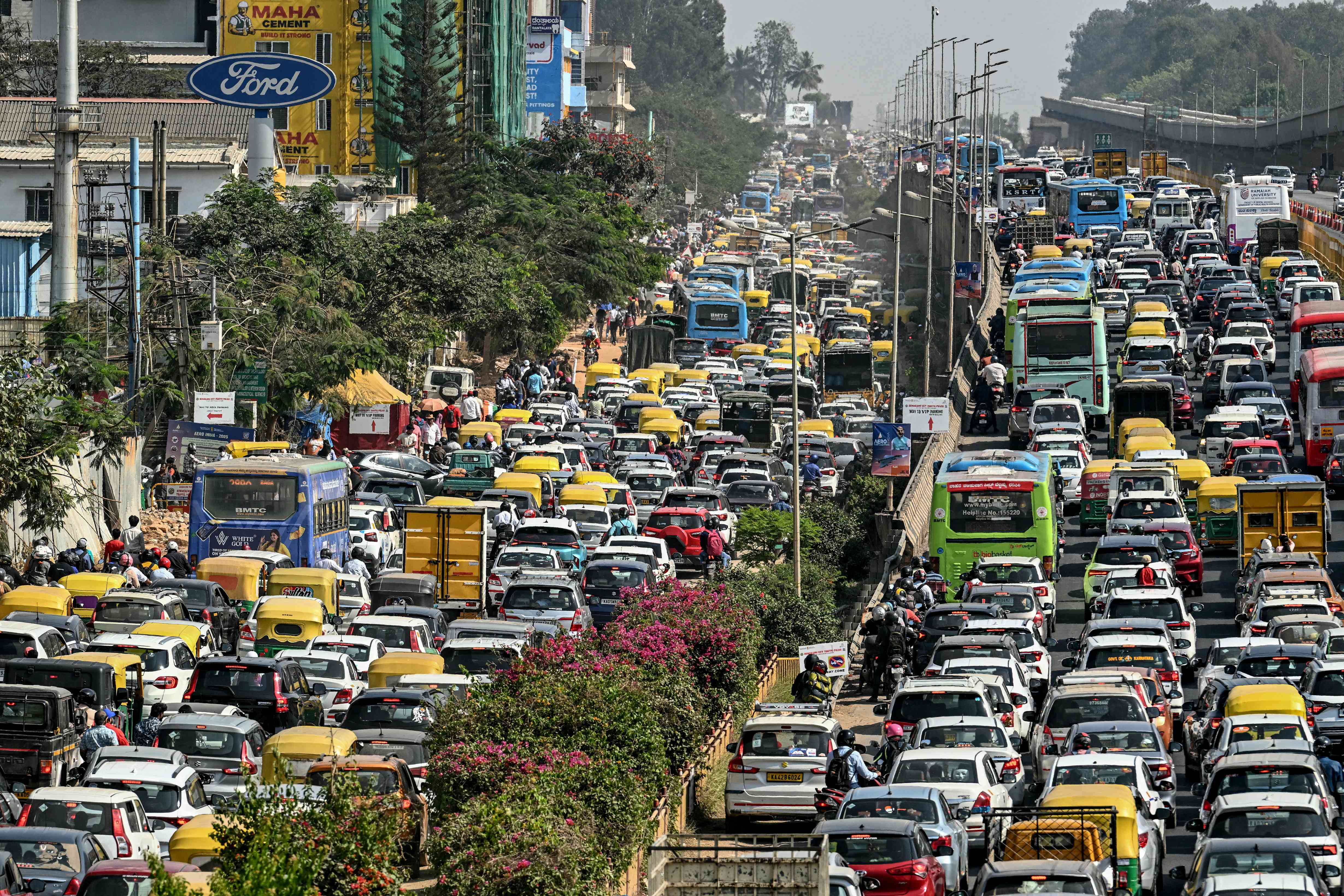
The proposal of the Bengaluru Traffic Police to legalise and regulate carpooling for both yellow and private whiteboard vehicles in order to combat severe traffic congestion caused by nearly 25.2 lakh private cars has been welcomed by several mobility experts and urban advocates. They highlighted that carpooling offers an immediate, practical solution to reduce single occupancy vehicles, lower fuel consumption, and cut emissions without waiting years for infrastructure like flyovers.
Experts also advocated corporate incentives, app-based shared buses, and stricter penalties or taxes on single occupancy private cars to discourage unnecessary vehicle ownership. However, civic campaigners emphasised that the success of these measures hinges on effective government implementation, clear regulatory frameworks, and robust policy enforcement to provide a safe, legal, and seamless commuting alternative for the public.
Would you leave your car at home or share your daily commute with someone travelling in the same direction? As Bengaluru’s traffic congestion continues to worsen, the Bengaluru Traffic Police (BTP) has proposed legalising carpooling as a potential solution to ease the city’s clogged roads. The proposal was discussed during a recent meeting between the Traffic Police and the Transport Department.
Officials highlighted that regulated carpooling could play a significant role in reducing congestion. They also suggested that, in addition to permitting yellowboard vehicles, a regulatory framework should be introduced for private white-board vehicles to legally participate in carpooling. According to official data, Bengaluru has around 1.23 crore registered vehicles, with more than 2,100 new vehicles being added daily.
Of these, nearly 25.2 lakh are privately registered cars, which constitute a significant share of the vehicles occupying the city’s roads. Urban mobility experts have welcomed the proposal, saying regulated carpooling could be a practical solution at a time when Bengaluru’s traffic congestion is reaching unprecedented levels. “Bengaluru already has a strong carpooling network, but it has lacked government support due to the absence of a clear policy.
This has left many commuters uncertain about whether carpooling is legal or amounts to a violation of traffic rules”, said K.N.M. Rao, founder of Quick Ride. Rao said that with both the Traffic Police and the Transport Department recognising carpooling as a viable solution to Bengaluru’s worsening traffic congestion, it is now crucial for the government to clearly communicate the rules to the public and establish a robust regulatory framework.
He believes encouraging more commuters to share rides could significantly reduce the number of single-occupancy vehicles on the road and ease the city’s chronic traffic bottlenecks. “Constructing flyovers takes years, but carpooling can be started immediately. People who are willing to share their cars, and those ready to give up their own vehicles and travel with others, are making a meaningful contribution. Such initiatives should be encouraged”, he said.
He added that fewer private vehicles travelling would not only reduce congestion but also lower fuel consumption, cut pollution and provide employees with a safe and convenient mode of commuting. Vinod Jacob, mobility crusader and environmentalist, said corporate companies should actively encourage carpooling by rewarding employees who choose shared commuting. “Many people living in the same neighbourhood and working for the same company still drive separately.
Promoting carpooling and dedicated BMTC staff buses with amenities such as Wi-Fi would help reduce congestion, fuel consumption and lower emissions”, he said. “Like many other issues in the city, it is not the rules that matter, but their implementation. Without proper enforcement, even the best policies will fail”, said Sandeep Anirudhan, Convenor of Citizens’ Agenda for Bengaluru, echoing the need for effective implementation.
Anirudhan argued that Bengaluru should consider imposing stricter penalties on single occupancy private vehicles, similar to measures adopted in several other countries. He pointed out that private cars occupy significantly more road and parking space than other modes of transport, placing a disproportionate burden on the city’s infrastructure. “Overall, cars consume more public space and resources. Then why aren’t they taxed more?” he asked.
He also questioned the existing one-time road tax system for private vehicles, suggesting that an annual taxation model would encourage prospective buyers to better assess the necessity of owning a car before making a purchase. “We continue to rely on outdated policies and technologies. It is time we leapfrog to modern mobility solutions”, he said. Anirudhan further suggested reviving app-based shared bus services such as ‘ZipGo’, arguing that organised shared mobility options could significantly reduce the number of private vehicles on the road.




.jpg)
