.jpg)


.jpg)

 English daily published in Bengaluru & Doha

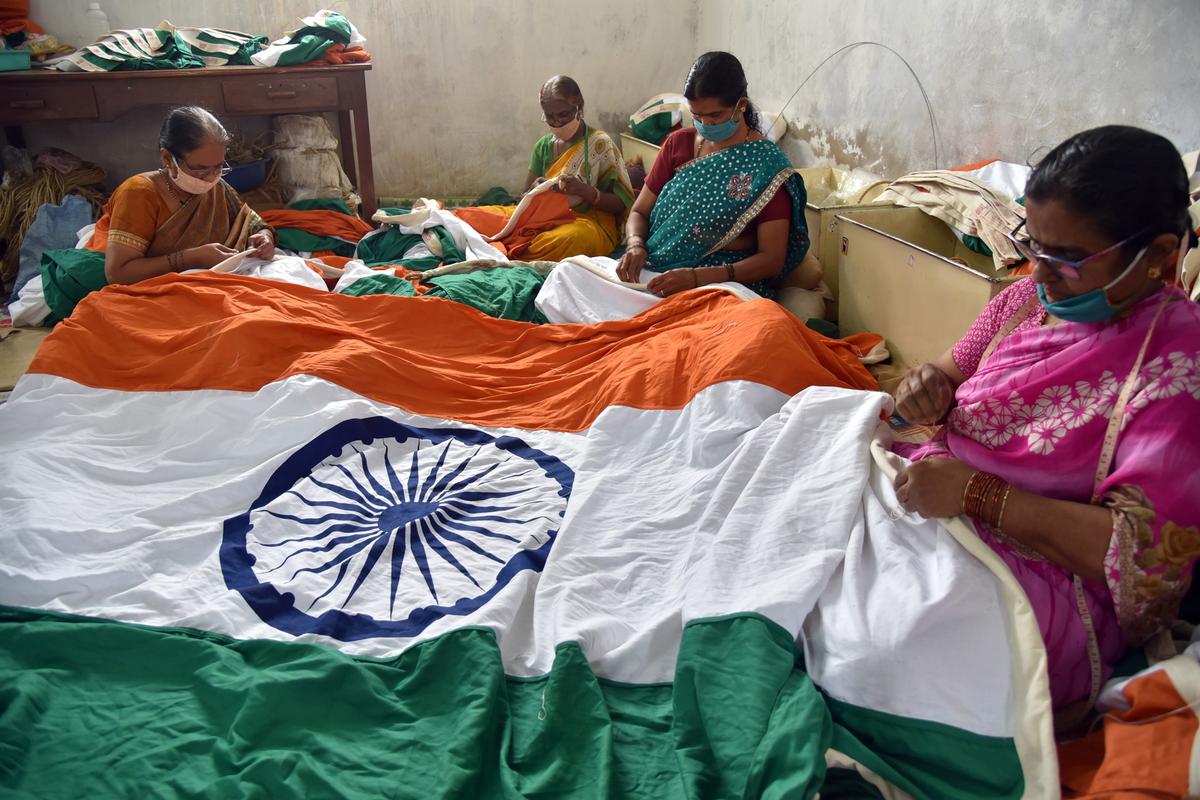
Sole flagmaker to the nation, Bengeri’s unit fighting to survive
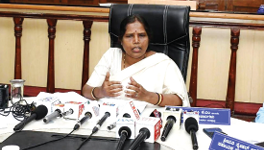
The Karnataka Khadi Gramodyoga Samyukta Sangha (KKGSS) in Bengeri — the nation’s sole authorised manufacturer of the Indian tricolour — is facing a severe financial and operational crisis. Built on Gandhian principles to support village industries, the institution today finds itself battling plummeting sales, counterfeit materials, and massive pending government arrears. KKGSS Secretary Shiva nand Mathapati outlined the grim reality on the ground and the immedi ate threats facing the lo cal Khadi industry.
He said sales between April and August 4 this year totalled just Rs 63 lakh, with Rs 41 lakh coming from out-of-state or ders and Rs 22 lakh generated within Karnataka, a drop of Rs 3–4 lakh compared to the same period last year. Efforts to boost online sales through plat forms like Amazon have proven largely ineffective. The market, he said, is currently flooded with un certified “duplicate Khadi Bhandars” selling cheap polyester and machine made millcloth, which consumers often mistake for authentic Khadi.
The decline in genuine Khadi sales was severely worsened by the 2022 amendment to the National Flag Code, which per mitted the use of cheaper, machine-made polyester tricolours. Since that policy shift, traditional orders from major states have dried up, leaving huge piles of unsold inventory in the Bengeri warehouses, he said. Adding to the burden of unfair competition is a severe lack of state support. The Karnataka government has withheld Market Development As sistance (MDA) and rebate arrears for the past four to five years, he said.
The total arrears pending across the state amount to a staggering Rs 130 crore, with the Bengeri in stitution alone owed over Rs 2 crore. Political delays, includ ing recent leadership reshuffles, have further stalled the release of these crucial funds. He added that a government man date requiring officials to wear Khadi once a month has seen little to no strict enforcement, resulting in a significant loss of potential local sales. The ongoing financial crunch directly threatens the livelihoods of local artisans.
Between 50,000 and 60,000 workers depend on Khadi spinning and weav ing across the state. Lo cally, around 1,200 people predominantly women in volved in stitching, rely on the Bengeri unit for their daily wages. Underlining the severity of the situation, Mathapati said that without adequate sales, the institution simply can not pay salaries or purchase raw materials. To keep the looms running and workers employed, KKGSS is adopting new survival strategies, he said. The institution is writing to Khadi Bhavans in other states and setting up direct sales stalls inside Deputy Commissioner (DC) and Zilla Panchayat (ZP) offices to stimulate local demand.
The Sangha is also shift ing its focus from solely selling raw cloth to man ufacturing ready-made Khadi garments, includ ing shirts, jubbas, sarees, and pants. The initiative aims to provide alterna tive stitching work to local artisans who previously dedicated their time exclusively to flag-making. For consumers looking to support the authen tic industry, experts urge buyers to verify store cre dentials. Genuine Khadi outlets must display official sig nage stating “Certified by KVIC” (Khadi and Village Industries Commission) or “Certified by KVIB” (Khadi and Village Industries Board). Unless the govern ment intervenes by clear ing arrears and regulat ing the sale of authentic Khadi, Hubballi’s historic institution risks fading into history.

.jpg)
.jpg)