.jpg)


.jpg)

 English daily published in Bengaluru & Doha

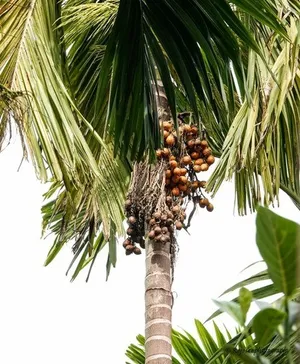
Find alternative use for Arecanut
The quick U-turn on ban on manufacture and sale of tobacco- or nicotine-laced gutkha and pan masala by the Karnataka Government represents the typical dilemma the authorities face in counterbalancing diverse interests. The State Food Safety Commissioner issued a notification on August 10 under the Food Safety and Standards Act, 2006, banning the manufacture and sale of the products with Health Minister UT Khader defending the original prohibition as a vital step for public health. But the Government had to retrace its steps following backlash from arecanut farmers and lawmakers representing the area where arecanut is grown.
The instruction to withdraw the order were issued by Chief Minister DK Shivakumar two days later. The revocation followed sudden decline in are canut prices in the market and threat to livelihood loom ing over nearly a million farmers. Obviously, the CM’s in tervention prioritizes the economic concerns of a sizeable section of farmers. While there could be no gainsaying that tobacco-laced products endanger health, the decision to slap a ban should be seen as a mea sure initiated without foresight and due diligence.
Not much attention has been paid to alternative uses of arecanut in Karnataka which is known to have wide applications due to its high tannin content. Liquid byproduct generated from boiling tender areca nuts is highly sought after for dyeing of natural fabrics be they cotton, wool, or silk. It is also actively utilised for industrial tanning of leather and acts as a non-toxic stain for wooden toys. Arecanut husks find use in manufacture of lightweight automobile parts, in sulation boards, paperboards and fallen leaf sheaths are pressed into compostable one-time use utensils and used for mats, ropes and cushions.
Even the alkaloid en zymes present in the arecanut such arecadine and are coline have medical applications. One doesn’t know as to what happened to soft drink concentrate “pan supari nectar” developed by the Mysuru-based Central Food Technological Research Institute (CFTRI). Mr. Khader’s ban did have merit but the current push back from the farmers’ lobby must now impel the authori ties to actively pursue the path to develop alternatives for the nuts finding use as base for tobacco, notorious for its carcinogenic properties.
A Cabinet Sans Women Chief Minister DK Shivakumar’s cabinet sans any representation for women has come in for criticism from many quarters. Even at best of times, the female representation in the Karnataka cabinets has been mere tokenistic. Though the original list issued by the CM’s office included a woman MLC Gayatri Shanthegowda, a member of the Kuruba community, her name was dropped at the last minute and the earlier inclusion in the list was dubbed “a typing error”. Even her absence at the swearing-in cer emony only deepened the mystery. She could have ably compensated for inadequate Kuruba representation and the berth for a woman.

.jpg)
.jpg)
.jpg)
.jpg)
.jpg)