.jpg)


.jpg)

 English daily published in Bengaluru & Doha

Do not be influenced by influenza: Medical experts
Bengaluru
The recent incident of more than 500 students and 21 staff members reportedly falling ill at Clarence High School in Richards Town, Bengaluru, with two students testing positive for H1N1 influenza, has raised concerns among schools and parent communities.
The school was subsequently closed for two days as a precautionary measure, highlighting the need for stronger preventive measures against seasonal influenza in educational institutions and households. Medical experts said H1N1 has now become a part of the seasonal flu pattern, stressing that schools must take prevention and hygiene measures seriously. “H1N1 is not gone.
It is now part of normal seasonal flu and not a pandemic threat. It is one of the strains included in annual flu vaccines”, said Dr Khuda Baksh, Consultant General Physician and Internal Medicine, HOSMAT Hospital. He noted that H3N2, particularly the newer “subclade K” variant, has been a bigger concern this flu season, with increased hospitalisations.
“H1N1 continues to be a background player, not the driver of this year’s flu burden”, he said. It was reported that the students and staff who fell ill showed symptoms including fever, cough, cold, and body aches, which are usually the early signs of influenza and should be monitored closely.
“The transmission mainly occurs through liquid droplets emitted through coughing, sneezing, or speaking by an infected person. Transfer occurs through touching contaminated surfaces and subsequently putting hands on nose, mouth, or eyes”, said Dr Joshi Divya Rakesh, Consultant - Infectious Disease & Infection Control, KIMS Hospitals, Mahadevapura.
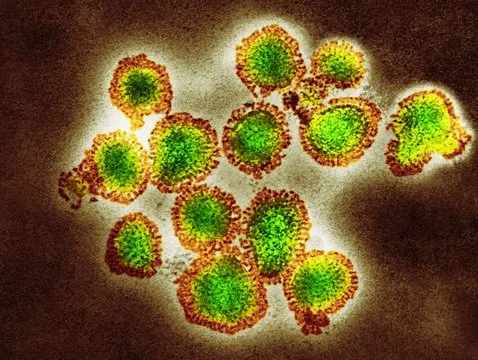
She added that H1N1 influenza, a subtype of the Influenza A virus (family Orthomyxoviridae), is an aerosol-borne infection that spreads rapidly in institutions with higher population density, such as schools.
“Children and staff with flu-like symptoms should remain at home and stay isolated until at least 24 hours after fever resolves without the use of antipyretics, and avoid being close to others until they are feeling better, as interactions inside classrooms, school buses, corridors, and playgrounds favour transmission, as proximity plays its role, particularly when ventilation is not satisfactory”, Dr Joshi said.
Even Dr Baksh stated that schools are especially important because children can have high rates of infection and bring the virus back to households. “But the answer doesn't have to be complicated. If you feel unwell, try to stay away from other people. Improve ventilation in shared indoor spaces, practise good hand hygiene and follow cough etiquette.
A mask may offer an extra layer of protection when worn by someone who is symptomatic or around others in a crowded indoor setting”, he said. He added that getting the flu shot every year is especially important for older adults, young children, pregnant women, people with chronic illnesses, and healthcare workers.
“Crucially, even when circulating H3N2 viruses have drifted from vaccine strains, vaccination can still provide useful protection against severe illness and hospitalisation”, he said. “Frequently touched objects also need to be cleaned properly”, added Dr Joshi.




.jpg)
