.jpg)


.jpg)

 English daily published in Bengaluru & Doha

When oil becomes a weapon, India must secure its fuel
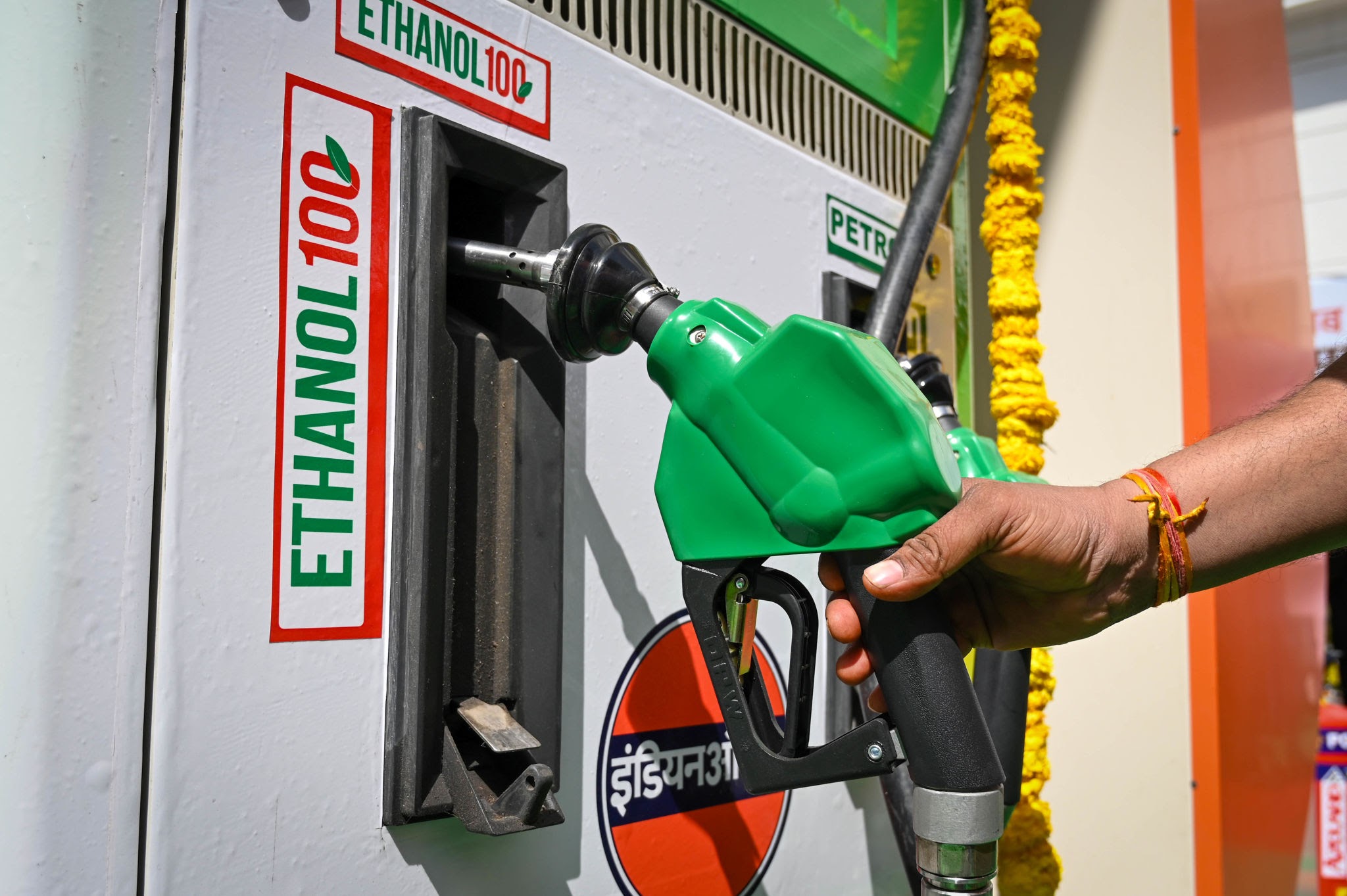
The latest US-Iran confrontation is a stark reminder of a vulnerability India cannot afford to ignore: its dependence on imported crude oil. When conflict threatens supplies and shipping through the Gulf, the shock travels swiftly to petrol pumps, transport costs, food prices and household budgets. India cannot control what happens in West Asia. It can, however, reduce the extent to which such crises hurt its economy. That makes ethanol-blended petrol far more than an environ mental initiative. It is an energy security imperative.
India achieved its 20% ethanol blending target in 2025-26, up from less than 1.5% in 2013-14. Ethanol production capacity has also expanded nearly fivefold since 2014. The case for going further is compelling. Every litre of domestically produced ethanol blended with petrol means less crude imported. When geopolitical tensions can send oil prices soaring almost overnight, reducing that exposure is economically and strategically valuable. Ethanol also creates a market for agricultural produce and can strengthen rural incomes.
But E20 should not be regarded as the destination. It should be the springboard for a broader diversification of transport fuel. India must therefore expand ethanol production and ensure reliable E20 supplies, while simul taneously developing the infra structure and vehicle technology needed for higher blends. The transition, however, must be carefully managed. Concerns over water consumption, feed stock availability, food security, vehicle compatibility and consumer choice cannot be ignored. Nor should ethanol be presented as a substitute for electric mobility, better public transport and greater energy efficiency. But the larger lesson from every oil shock is clear: energy dependence is strategic dependence.
India cannot prevent another war in the Gulf or guarantee uninterrupted passage through the Strait of Hormuz. It can, however, make itself less vulnerable to the consequences. The objective should not merely be to blend more ethanol into petrol. It should be to import less oil, produce more energy at home and ensure that geopolitical turmoil abroad does not dictate economic pain at home. That is not just good energy policy. It is sound national strategy.
.jpg)




.jpg)